Tanzania Weather And Climate

Tanzania - Weather and Climate

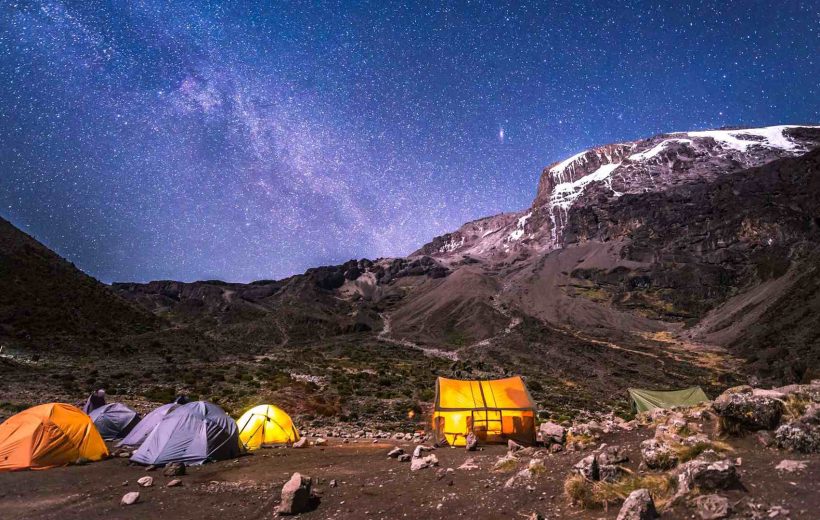
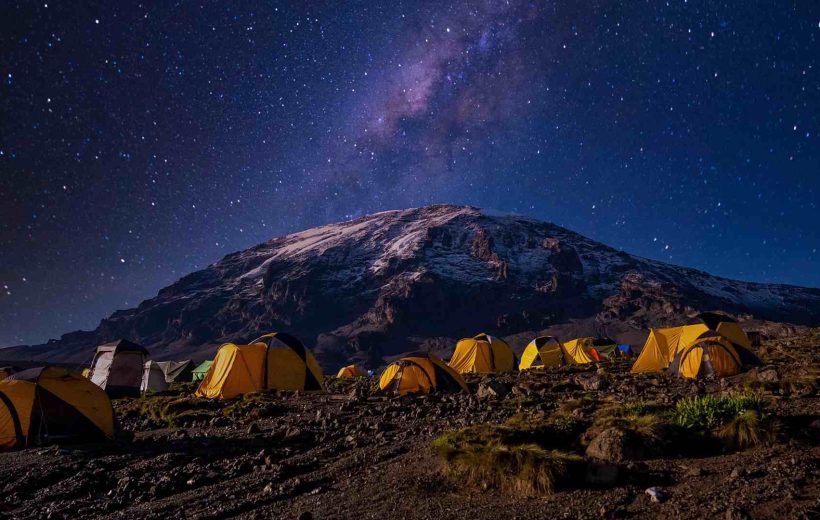
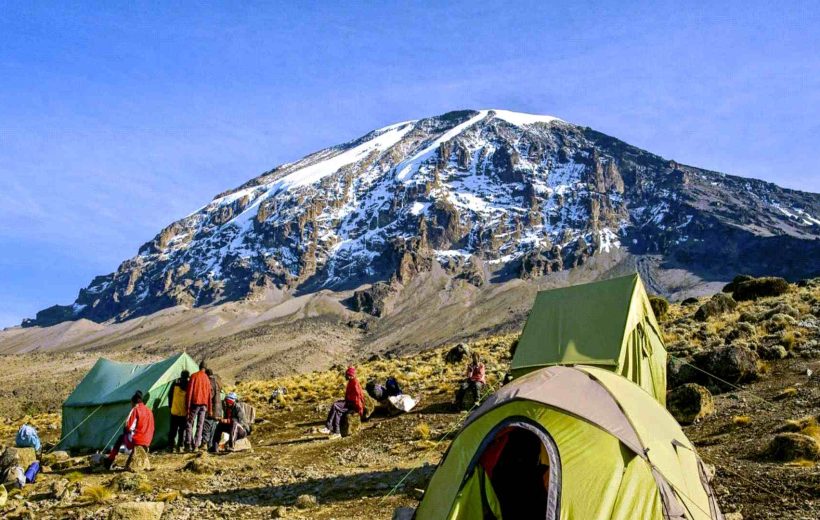
Understanding Tanzania’s weather is a key factor when planning a safari, as the country’s tropical climate varies dramatically across its regions, primarily due to differences in altitude. The coastal belt, including Dar es Salaam and Zanzibar, is characterized by hot, humid conditions year-round, with the air often carrying a tropical warmth that shapes both daily life and outdoor activities. In contrast, the interior highlands, such as Arusha, the Ngorongoro Crater, and areas surrounding Mount Kilimanjaro, experience milder daytime temperatures and significantly cooler nights, creating a more comfortable climate for trekking, wildlife viewing, and early-morning game drives.

Tanzania’s tourism calendar is largely defined by two main seasons: the dry season and the wet season. Each brings unique advantages for safari-goers—whether it’s the dry season’s ease of wildlife spotting as animals gather near water sources, or the wet season’s lush landscapes, vibrant greenery, and abundant newborn wildlife. Timing your visit with an understanding of these seasonal patterns ensures you make the most of both the landscapes and wildlife encounters that define a Tanzanian safari.

Tanzania weather by seasons

Dry Season

Tanzania’s main dry seasons occur from June to October and January to February. During these months, the weather is sunny, warm, and pleasant, making it ideal for wildlife safaris, hiking, and beach trips. The skies are mostly clear, roads are easier to navigate, and wildlife congregates around water sources, providing excellent viewing opportunities. The highlands and mountainous areas remain cooler, especially in the early mornings and evenings.

Dry Season

The wet season is split into two parts: the long rains from March to May and the short rains from October to December. These months bring frequent showers, lush green landscapes, and fewer tourists, making it a great time for photography and a more tranquil experience. While some remote safari routes can be muddy or harder to access, the rains support abundant plant growth, vibrant scenery, and a surge of newborn wildlife across the parks.

How does Tanzania weather affect wildlife?

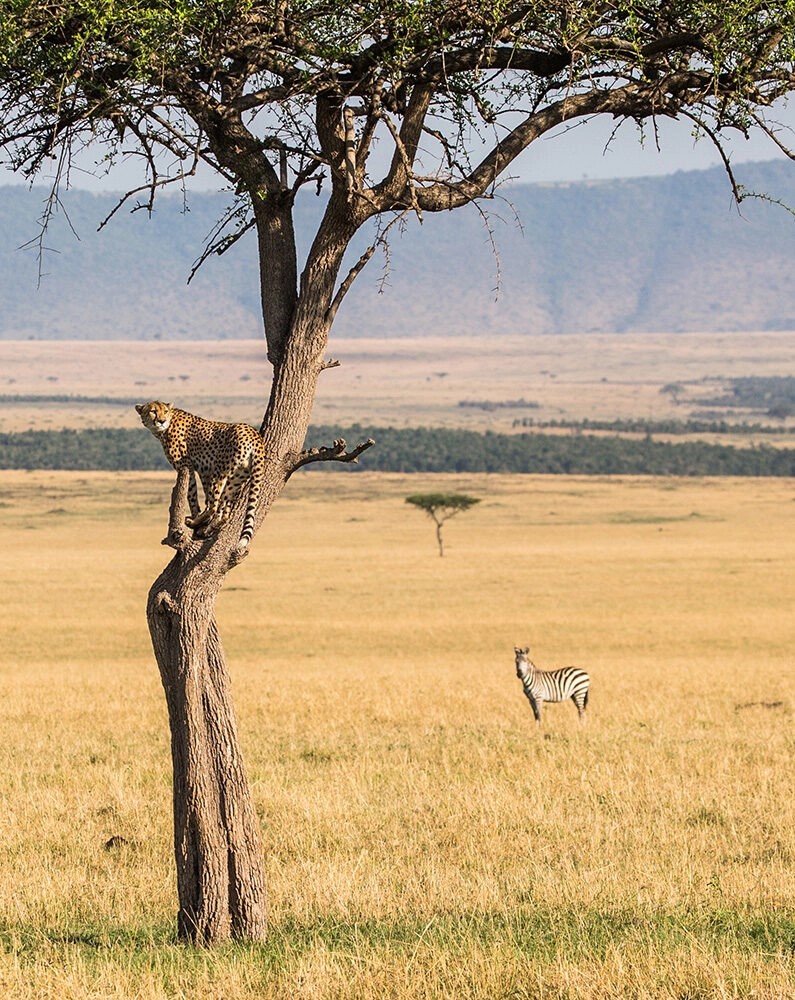
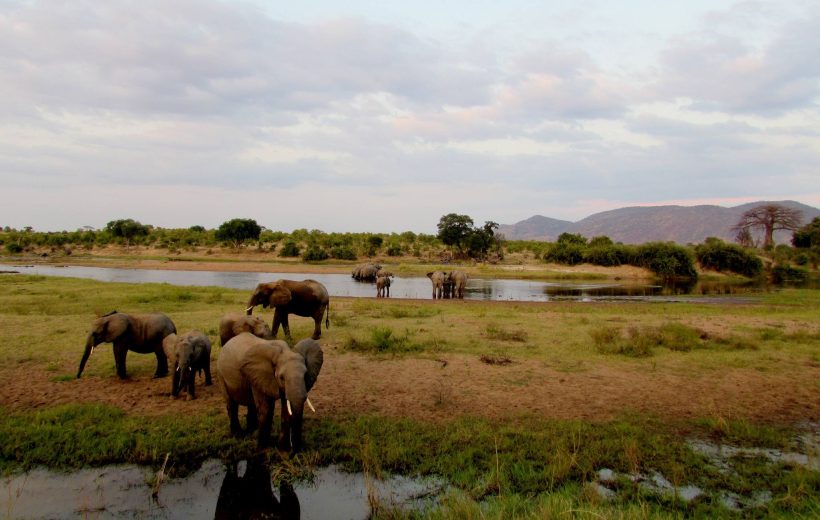
Tanzania’s weather has a direct impact on wildlife behavior and visibility, shaping the safari experience throughout the year. During the dry season, animals congregate around rivers, waterholes, and lakes, making them easier to spot, while open landscapes and clear skies allow for better viewing and photography. In contrast, the wet season brings lush greenery and abundant food, causing wildlife to spread out across the parks, making sightings less predictable but offering unique opportunities to observe newborns, migratory birds, and vibrant ecosystems in full bloom. The changing weather also influences animal movements, breeding patterns, and predator-prey interactions, giving travelers a dynamic and ever-changing safari experience.

Customer Reviews

What our customers say

At Aloito Safaris, we are proud to receive outstanding feedback from our clients, consistently earning top ratings for our service and experiences. This recognition reflects our strong commitment to going above and beyond for every traveler, ensuring each safari is seamless, personalized, and truly satisfying from start to finish.

TRIPS TO INSPIRE

Tanzania Safari Wildlife Journeys

You are welcome to tailor our trip options to your own interests. While these carefully chosen ideas will serve as a starting point, keep in mind that your path will be entirely unique to you.

Login