
Emergency Rescue & Evacuation on Mount Kilimanjaro: Complete Safety Guide for Climbers
Climbing Mount Kilimanjaro is an extraordinary adventure, but reaching the Roof of Africa requires careful preparation, professional guiding, and responsible attention to safety. At 5,895 metres (19,341 feet), Kilimanjaro presents challenges associated with altitude, weather, terrain, fatigue, and changing mountain conditions. For this reason, understanding how emergency rescue and evacuation work is an important part of planning a responsible Kilimanjaro trek.
Many travelers ask whether there is rescue support on Mount Kilimanjaro, whether helicopter evacuation is available, and what happens if a climber becomes seriously unwell or injured. The answer depends on the circumstances and location of the emergency. Tanzania National Parks Authority (TANAPA) states that it makes reasonable efforts to protect and provide for the safety of park visitors and to coordinate rescue and evacuation emergencies with tour operators and qualified search-and-rescue organizations or agencies. TANAPA also notes the importance of medical and rescue services for visitors on Mount Kilimanjaro.
At Trek and Hide Adventures, safety is an essential part of every Kilimanjaro expedition. Our mountain team monitors climbers throughout the trek, communicates important information between the mountain team and the company, and responds appropriately when a participant needs additional assistance.
Why Emergency Preparedness Matters on Mount Kilimanjaro
Mount Kilimanjaro is not a technical climbing mountain on its standard trekking routes, but its high altitude makes it a serious mountain environment. Climbers travel through several ecological zones, beginning in the cultivated foothills and rainforest before reaching moorland, alpine desert, and the high-altitude summit zone.
Conditions can change significantly as elevation increases. Temperatures near the summit can be extremely cold, while wind, rain, snow, clouds, and reduced visibility can affect the trekking experience. Altitude-related illness is another important consideration, particularly as climbers approach the higher camps and summit area.
This is why emergency preparedness should begin before the trek. Choosing a reputable local tour operator, allowing sufficient time for acclimatization, following the guidance of your mountain crew, and communicating openly about how you feel are all important components of a safe expedition.
TANAPA itself advises people planning to climb Kilimanjaro to use a reputable registered local tour operator employing trained guides with a strong track record and knowledge of current mountain conditions.
What Can Lead to an Emergency on Kilimanjaro?
Emergencies on Kilimanjaro can have different causes, and not every situation requires the same type of response. A climber may become unwell because of altitude, experience an injury after a fall, develop severe exhaustion, or encounter difficulties associated with weather and environmental conditions.
Altitude is one of the most important factors to consider. As climbers ascend, atmospheric pressure decreases and the body has less oxygen available with each breath. Some people adapt well, while others may experience altitude-related symptoms.
Weather can also create challenging conditions. Heavy rain, strong winds, cold temperatures, snow, or poor visibility may make movement more difficult and can influence decisions about continuing, stopping, or descending.
Injuries are another possible concern. Even on established trekking routes, uneven volcanic terrain, loose rocks, steep sections, and fatigue can increase the risk of slips and falls.
The goal of a professional mountain team is therefore not simply to respond after an emergency occurs but to identify potential problems early and take appropriate action before a situation becomes more serious.
How Are Medical Emergencies Managed on Kilimanjaro?
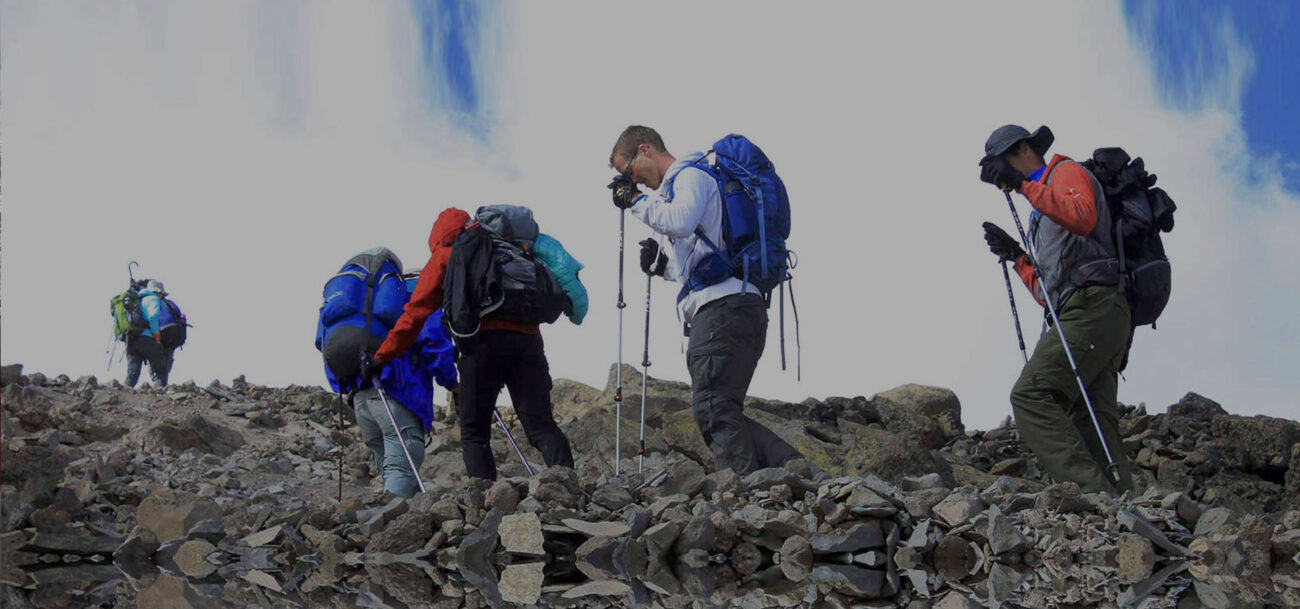
The response to a medical emergency depends on the climber’s condition, location, altitude, weather, and accessibility of the area.
The first response normally involves the mountain crew assessing the situation and communicating with the relevant support team. Where appropriate, the climber may be assisted to a safer or lower location, while more serious situations may require organized evacuation and further medical care.
A professional trekking company should have a clear emergency response plan and reliable communication arrangements. TANAPA’s safety framework emphasizes coordination between the park authority, tour operators, and qualified rescue organizations during emergencies.
For climbers, this means that choosing a properly registered and experienced operator is one of the most important safety decisions you can make before your trek.
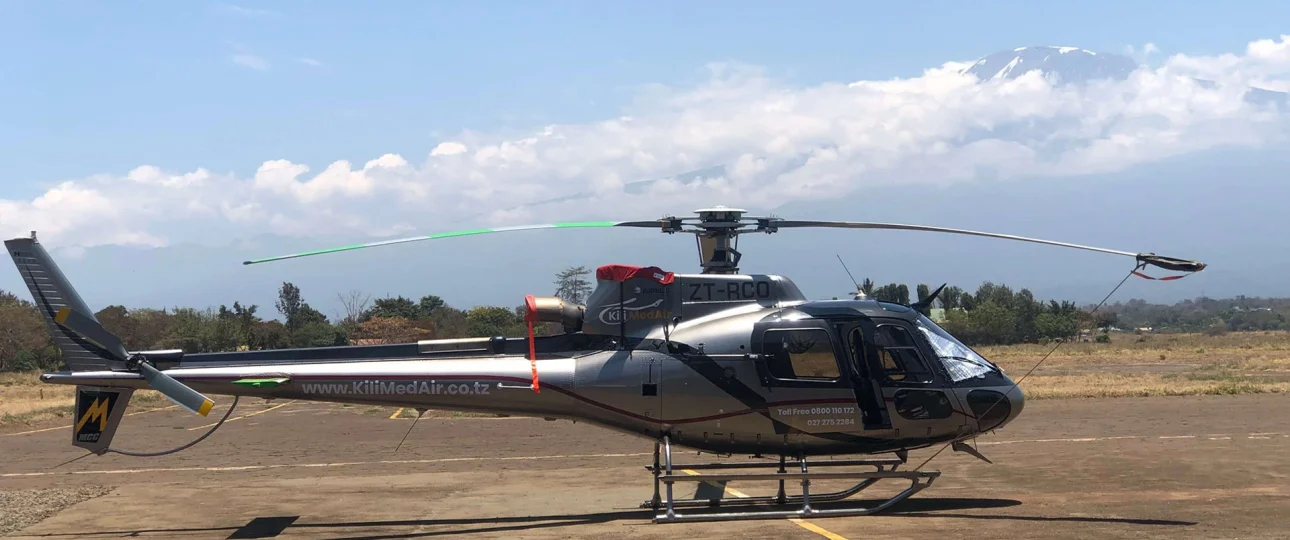
Is Helicopter Rescue Available on Mount Kilimanjaro?
Helicopter evacuation is one of the most frequently asked questions by people planning a Kilimanjaro climb. However, it is important not to assume that every emergency on the mountain will result in a helicopter evacuation.
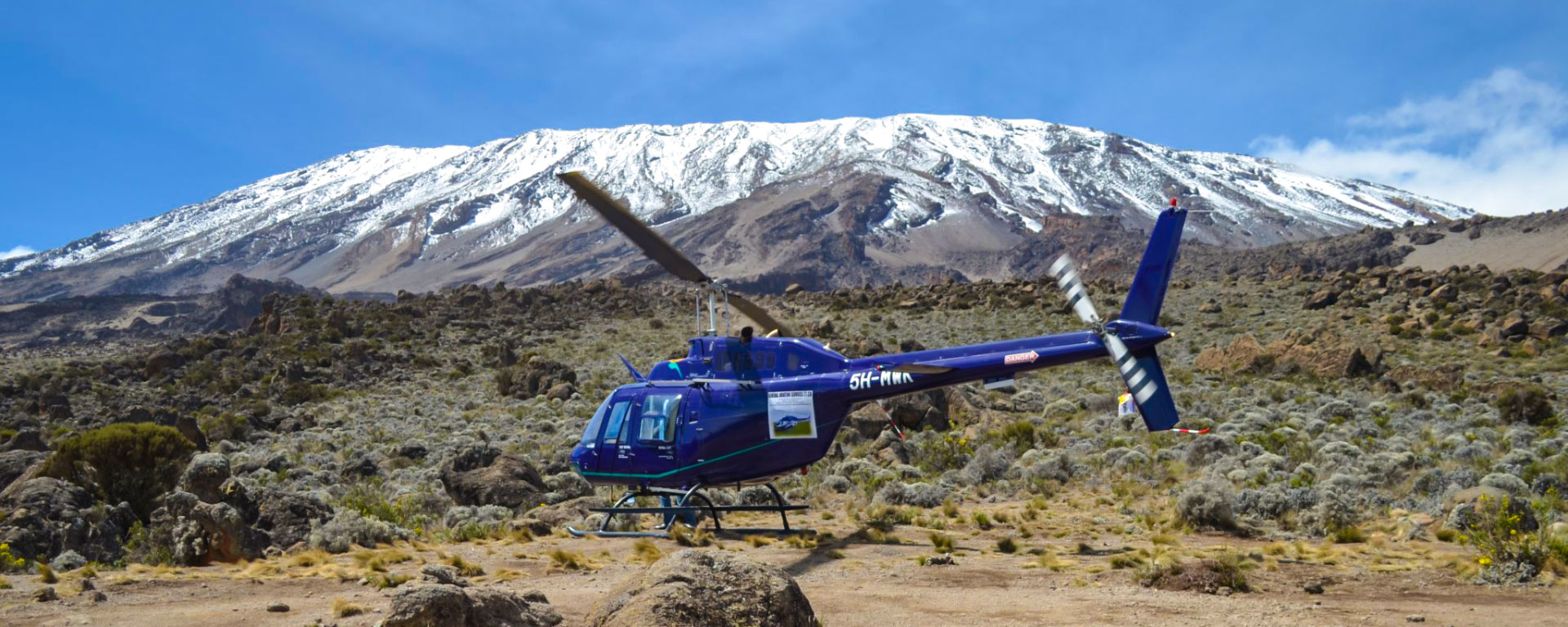
Aerial rescue depends on several factors, including the nature of the emergency, the climber’s location, weather conditions, visibility, aviation requirements, landing or access conditions, and the availability of an appropriate aircraft and rescue team.
Kilimanjaro’s high-altitude environment and rugged terrain can make aerial operations complex. A helicopter cannot simply land wherever a climber needs assistance, and some situations are better managed through evacuation on the mountain using the available ground-based procedures.
For this reason, responsible trekking companies should explain evacuation options accurately rather than promising that helicopter rescue will always be available.
TANAPA’s published policies emphasize coordination of rescue and evacuation emergencies and note that aircraft operations within national parks are subject to aviation and park regulations.
Ground Evacuation and Assisted Descent
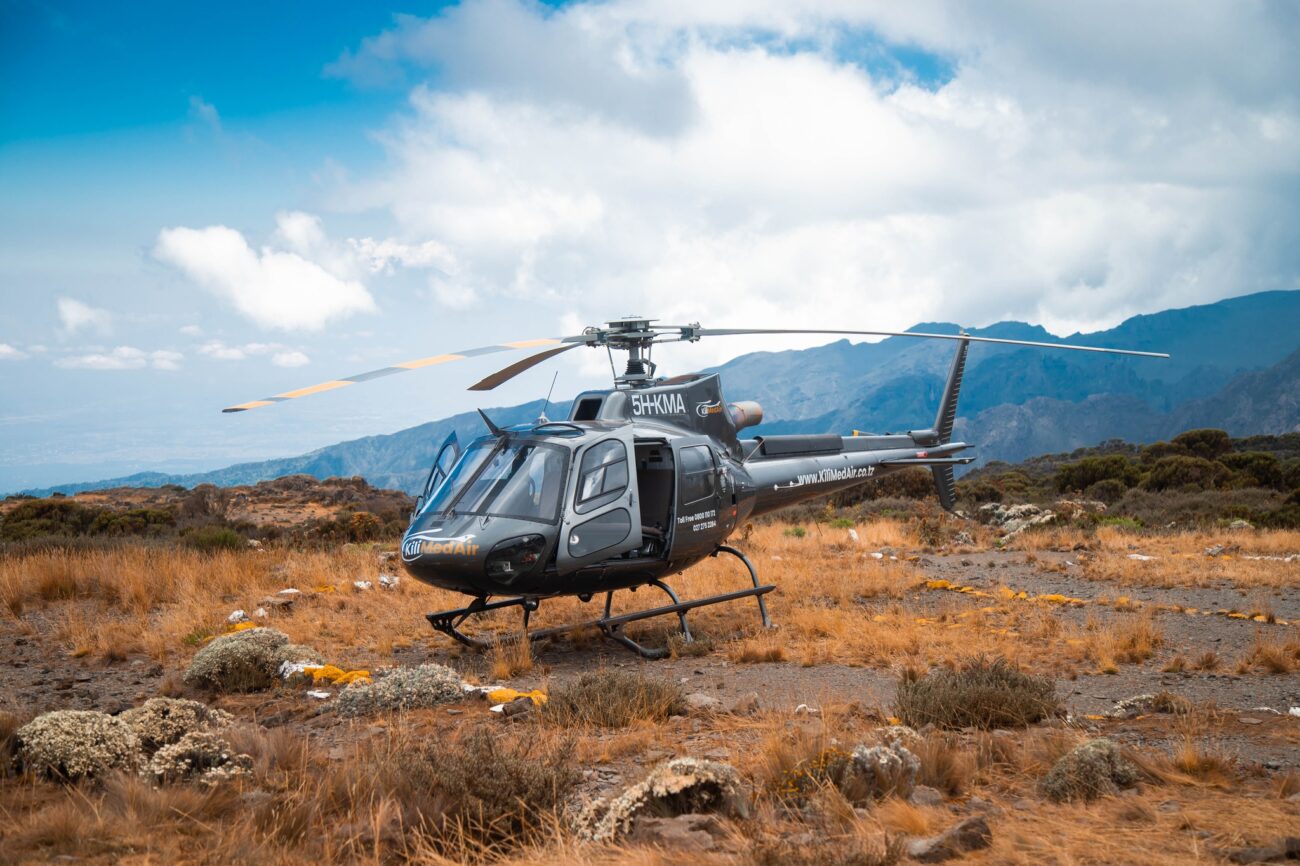
Not every emergency requires an aircraft. In many situations, a climber can be assisted down the mountain by the mountain crew using appropriate evacuation procedures.
The exact method depends on the climber’s condition and location. The priority is to move the affected person toward an appropriate point where they can receive additional medical attention or transportation.
A well-organized trekking operation therefore needs more than a vehicle waiting at the bottom of the mountain. It needs a mountain team that knows the routes, understands the terrain, maintains communication, and can coordinate with the relevant authorities and support services.
This is particularly important because some areas of Kilimanjaro are accessible only on foot or through designated mountain routes.
The Importance of Communication on the Mountain
Reliable communication is an essential component of emergency preparedness.
Because climbers can be several hours or even days away from the nearest road-accessible area, a mountain team needs a dependable way to communicate important information. This allows the trekking company to coordinate internally and, where necessary, communicate with park authorities and emergency support services.
TANAPA’s published safety guidance for technical mountain activities specifically requires tour operators to have a reliable communication system and an emergency response plan, illustrating the importance of communication as part of mountain safety.
At Trek and Hide Adventures, communication and coordination form an important part of our approach to responsible mountain operations.
What Happens If a Climber Cannot Continue?
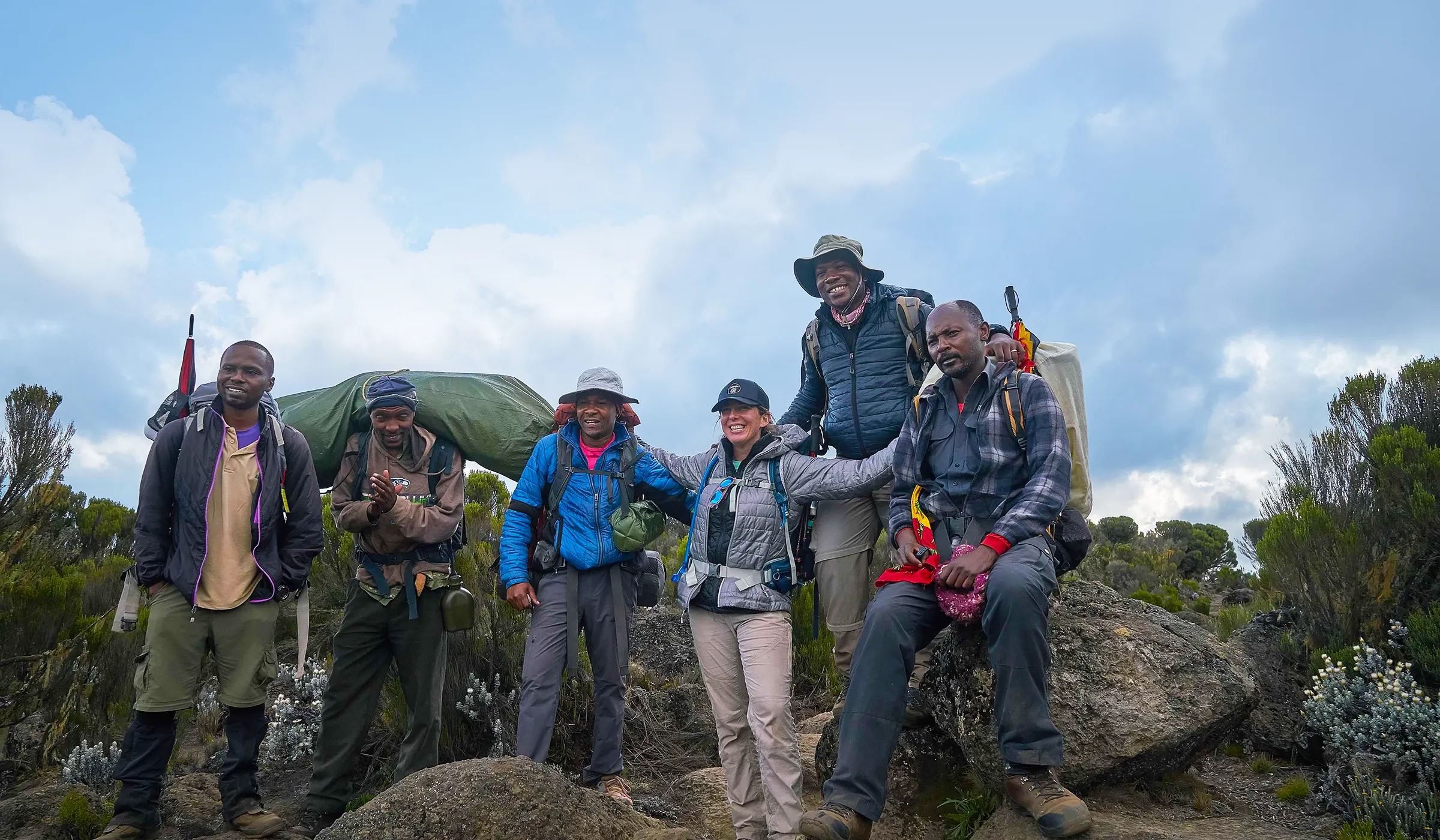
If a climber becomes unable to continue safely, the priority is not reaching the summit but protecting the person’s wellbeing.
Depending on the circumstances, the guide may recommend stopping the ascent and beginning a descent. The mountain team then assists the climber according to the situation and coordinates additional support where necessary.
This is an important principle of responsible mountaineering: the summit is optional, but safety comes first.
A professional guide should never encourage a climber to continue simply because they have already invested time or money in the expedition. Decisions should be based on the person’s condition, current mountain conditions, and the professional judgment of the mountain team.
Altitude Safety and Early Recognition
One of the most important parts of Kilimanjaro safety is paying attention to how your body responds to increasing altitude.
Symptoms associated with altitude can vary from relatively mild discomfort to potentially serious conditions. Climbers should communicate openly with their guides about headaches, nausea, unusual tiredness, dizziness, breathing difficulties, confusion, or any other concerning changes.
It is important not to hide symptoms because of fear of being asked to descend. Mountain guides need accurate information to make responsible decisions.
The best emergency response is often early recognition and appropriate action before a developing problem becomes more serious.

Why Acclimatization Helps Reduce Risk
Acclimatization is one of the most important considerations when selecting a Kilimanjaro itinerary.
Routes that provide additional days and gradual altitude gain generally give the body more opportunity to adapt to the changing environment. This is one reason why Trek and Hide Adventures encourages travelers to consider itineraries that provide adequate time for acclimatization rather than choosing an itinerary based only on the shortest possible number of days.
A longer climb does not guarantee that a person will avoid altitude problems, but allowing appropriate time for acclimatization is an important part of responsible high-altitude trekking.
Choosing a Safe Kilimanjaro Route
Kilimanjaro has several established routes, including Lemosho, Machame, Rongai, Marangu, Northern Circuit, and others. Each has its own scenery, itinerary structure, terrain, and acclimatization profile.
The best route for you should not be selected solely according to price or the number of days. Your previous trekking experience, fitness, preferred scenery, available time, and ability to acclimatize should all be considered.
For many travelers, routes such as Lemosho and Northern Circuit are attractive because their longer itineraries allow more time on the mountain. Machame is also a popular option with a scenic approach and established trekking infrastructure.
A professional Kilimanjaro operator can help you select an itinerary appropriate for your circumstances.
What Should Climbers Look for in a Kilimanjaro Tour Operator?
Your choice of trekking company has a direct impact on the organization and management of your expedition.
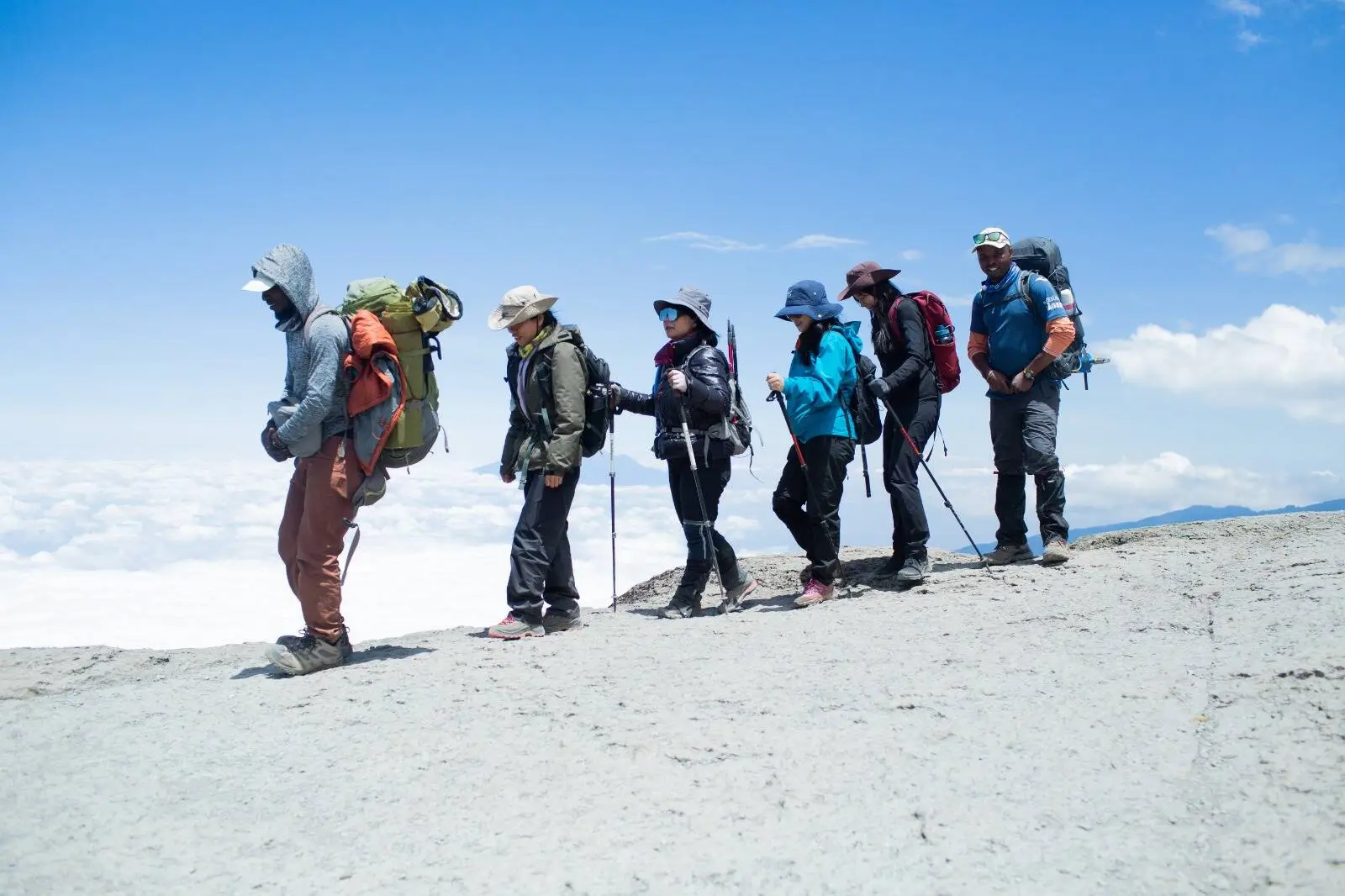
Before booking, travelers should look for a company that operates legally, uses trained mountain guides, provides clear information about its emergency procedures, maintains reliable communication systems, and is transparent about what is included in the trekking package.
TANAPA specifically advises prospective Kilimanjaro climbers to use a reputable registered local tour operator with trained guides and knowledge of current mountain conditions.
It is also worth asking questions before booking. Find out who your mountain guides will be, how the company handles medical emergencies, what communication equipment the mountain team carries, how evacuation decisions are made, and what assistance is available if you cannot continue the trek.
Does Travel Insurance Cover Kilimanjaro Evacuation?
Travel insurance is an important consideration for any international mountain expedition.
Before traveling to Tanzania, climbers should carefully review their policy to confirm that it covers trekking at the maximum altitude of Mount Kilimanjaro and includes appropriate emergency medical and evacuation benefits.
Policies differ significantly, so travelers should not assume that a standard travel insurance policy automatically covers high-altitude trekking or mountain evacuation.
It is also important to understand the difference between medical expenses, emergency evacuation, trip interruption, and other benefits because these may be covered under different sections of an insurance policy.
Trek and Hide Adventures recommends that every international climber obtain appropriate travel insurance and carefully check the conditions before departure.
What Climbers Can Do to Prepare for an Emergency
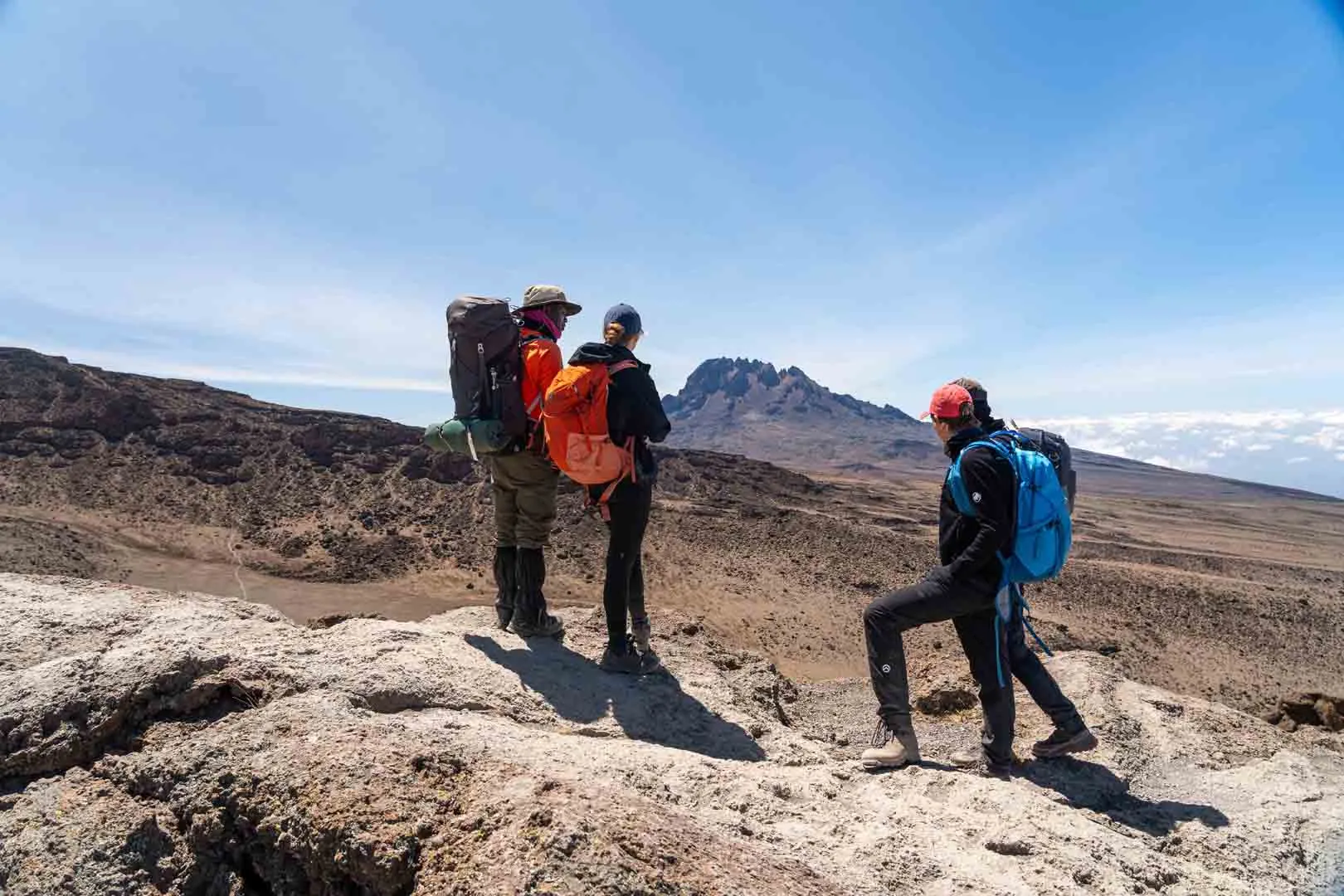
Good preparation begins before arriving in Tanzania. Make sure your trekking company has accurate emergency contact information and your travel details, and provide relevant information about any medications or important considerations that your guide needs to know for the trek.
Pack appropriate clothing and equipment for changing mountain conditions, follow the recommended packing list, and make sure your footwear is comfortable and suitable for long days of trekking.
Most importantly, listen to your guide. Your mountain team spends considerable time monitoring the route and conditions and can identify situations that may not be obvious to a first-time climber.
Safety Is More Important Than Reaching the Summit
For many climbers, reaching Uhuru Peak is the ultimate goal. However, responsible trekking means understanding that summit success is never guaranteed.
Weather, altitude, physical condition, and other factors can affect the outcome of an expedition. A professional mountain team may recommend stopping or descending if continuing presents an unacceptable risk.
This should not be viewed as failure. Mount Kilimanjaro will remain where it is, and there can always be another opportunity to return. The most important outcome of a mountain expedition is that everyone returns safely.
Emergency Rescue and Evacuation with Trek and Hide Adventures
At Trek and Hide Adventures, we take mountain safety seriously from the moment you begin planning your Kilimanjaro expedition.
Our approach combines experienced local mountain guides, careful route planning, appropriate acclimatization schedules, mountain communication, and emergency preparedness. Our team continuously monitors climbers throughout the trek and is prepared to coordinate appropriate assistance when circumstances require it.
We also believe that honest communication is essential. Emergency evacuation should never be presented as a guaranteed helicopter service because actual rescue options depend on the circumstances and conditions at the time of the emergency.
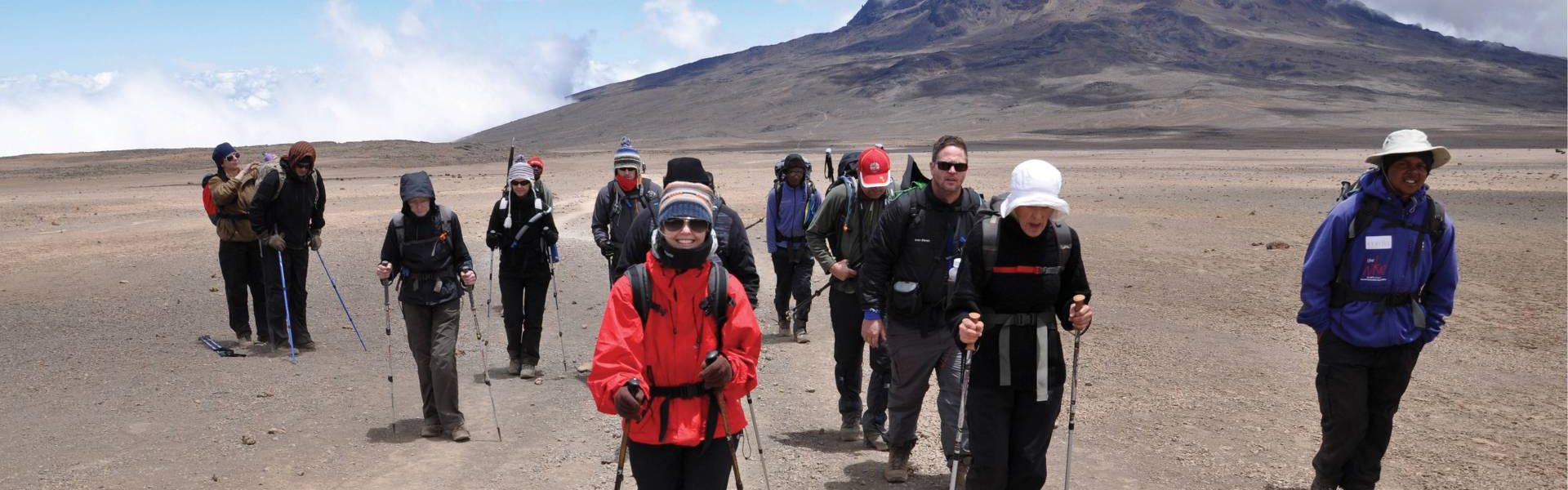
Our priority is always to make responsible decisions based on the safety and wellbeing of our guests while coordinating with the appropriate park and emergency authorities when necessary.
Final Thoughts on Kilimanjaro Emergency Rescue
Mount Kilimanjaro is an incredible destination, but it should never be underestimated. Its altitude, weather, terrain, and remote mountain environment require proper preparation and professional guidance.
Emergency rescue and evacuation systems are an important part of Kilimanjaro’s overall safety framework, but the best approach is prevention. Choosing an experienced local operator, allowing sufficient time for acclimatization, communicating openly with your guides, carrying appropriate equipment, and having suitable travel insurance can all contribute to a safer expedition.
At Trek and Hide Adventures, our goal is to help you experience the beauty and challenge of Mount Kilimanjaro responsibly. From your first day in Tanzania to your descent from the mountain, our experienced team is there to support you while keeping safety at the center of every decision.
The summit is an incredible achievement, but returning safely is the most important success of any Kilimanjaro adventure.