
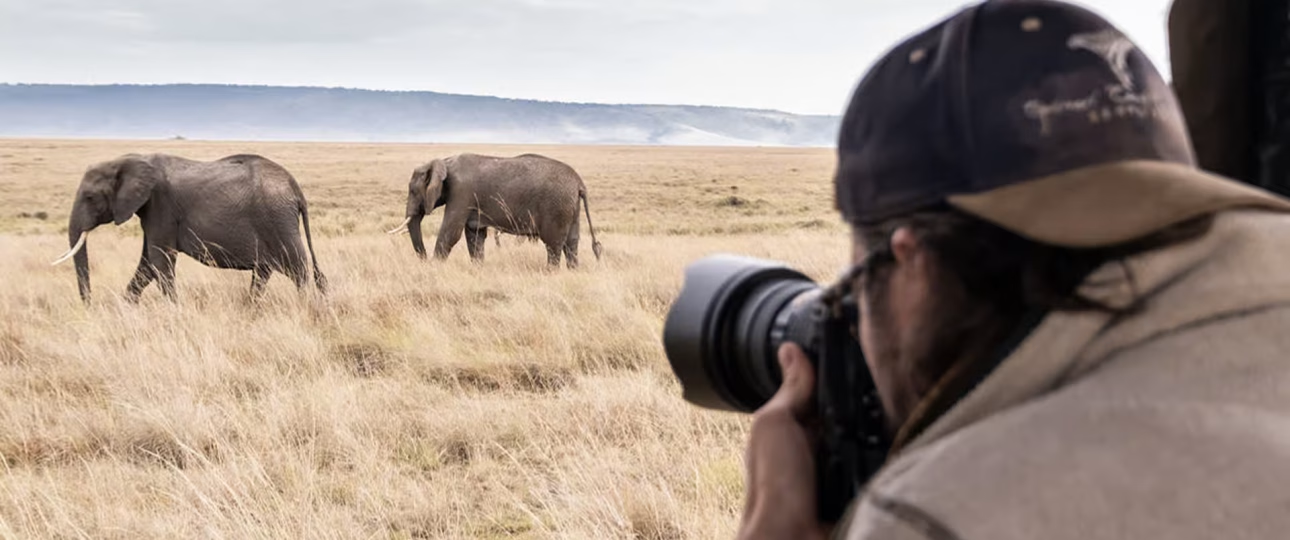
Tanzania Photographic Safari Guide: How to Plan the Perfect Wildlife Photography Holiday
Explore the ultimate Tanzania Photographic Safari Guide featuring the best wildlife destinations, photography tips, safari planning advice, and unforgettable adventures.
A Tanzania photographic safari is much more than a traditional wildlife adventure. It is an opportunity to capture some of the world’s most iconic animals and landscapes through your lens while exploring one of Africa’s most extraordinary safari destinations. From the golden plains of the Serengeti to the dramatic beauty of the Ngorongoro Crater and the elephant-filled wilderness of Tarangire National Park, Tanzania offers endless opportunities for photographers of every skill level.
Whether you are a professional wildlife photographer carrying specialized camera equipment or an enthusiastic traveler with a mirrorless camera hoping to capture unforgettable moments, careful planning is essential. Understanding the best destinations, choosing the right season, selecting an experienced safari operator, and preparing the appropriate photography equipment will greatly improve your experience and the quality of your images.
At Trek and Hide Adventures, we design tailor-made Tanzania photographic safaris that prioritize exceptional wildlife encounters, flexible game drives, and experienced guides who understand both animal behavior and the needs of wildlife photographers.
Why Choose Tanzania for a Photographic Safari?
Tanzania is widely regarded as one of the finest wildlife photography destinations on Earth. The country is home to an extraordinary variety of ecosystems, ranging from vast savannahs and volcanic craters to wetlands, forests, mountains, and alkaline lakes. This diversity creates countless photographic opportunities throughout the year.
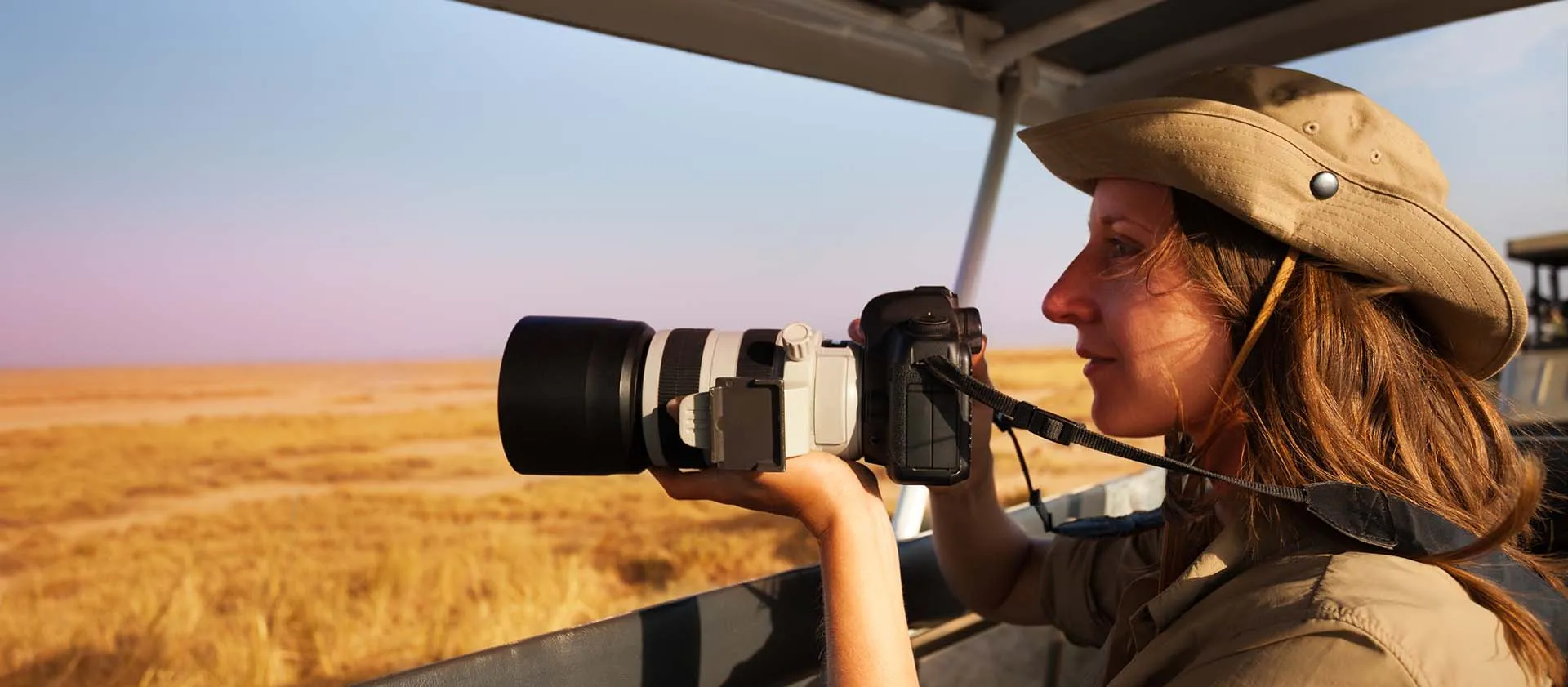
One of Tanzania’s greatest advantages is its abundance of wildlife. Visitors have the opportunity to photograph the Big Five—lion, leopard, elephant, buffalo, and rhinoceros—as well as cheetahs, giraffes, zebras, wildebeest, hyenas, hippos, crocodiles, and hundreds of bird species. The natural behavior of these animals, combined with breathtaking scenery and changing light conditions, provides photographers with endless creative possibilities.
Unlike many wildlife destinations where sightings can be unpredictable, Tanzania’s protected national parks consistently offer excellent opportunities for memorable wildlife photography.
Choosing the Best Time for a Tanzania Photography Safari
Light is one of the most important elements in photography, and the season you choose can have a significant impact on your images.
The dry season, which generally runs from June to October, offers excellent wildlife viewing because animals gather around rivers and waterholes. Vegetation is thinner, making wildlife easier to locate and photograph. The soft golden light during early mornings and late afternoons also creates ideal conditions for dramatic wildlife portraits and landscape photography.
The green season from November to May presents a completely different photographic experience. Fresh green landscapes, dramatic skies, colorful wildflowers, and abundant birdlife provide beautiful compositions that many photographers prefer. Between January and March, the southern Serengeti hosts the wildebeest calving season, creating remarkable opportunities to photograph newborn animals and predator interactions.
Each season offers unique advantages, and the best time depends on the type of photography you hope to achieve.
Serengeti National Park – Tanzania’s Ultimate Photography Destination
The Serengeti is undoubtedly one of the world’s greatest wildlife photography destinations. Its endless plains provide unobstructed views that allow photographers to capture animals within their natural environment while emphasizing the scale and beauty of the African landscape.
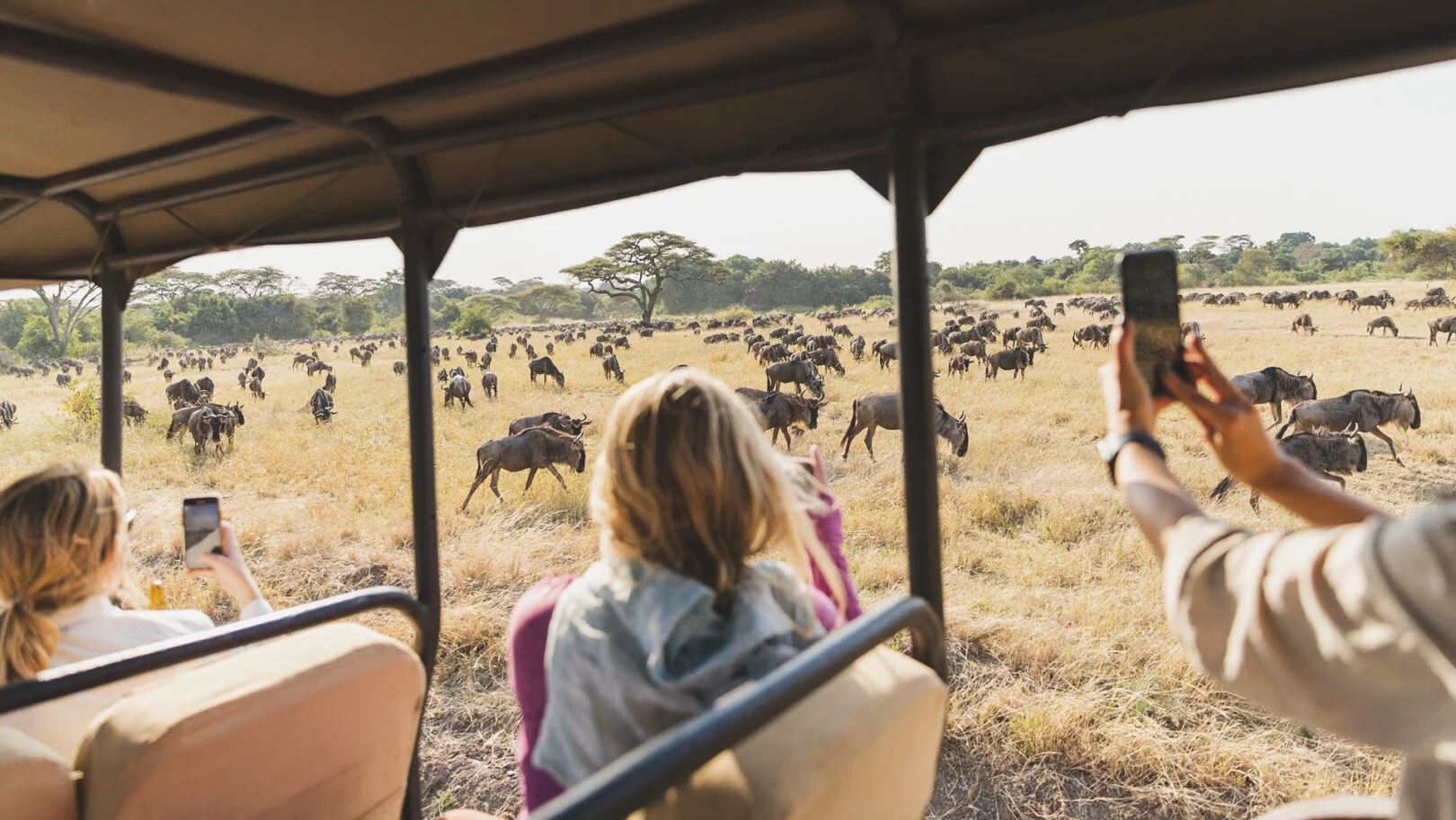
The annual Great Wildebeest Migration is one of the most spectacular wildlife events on Earth. Millions of wildebeest, zebras, and gazelles move across the Serengeti ecosystem, attracting predators and creating extraordinary photographic opportunities throughout the year.
Even outside the migration season, the Serengeti offers exceptional chances to photograph lions resting on rocky kopjes, cheetahs scanning the grasslands, elephants crossing open plains, and dramatic African sunsets.
Ngorongoro Crater – Incredible Wildlife in One Location
The Ngorongoro Crater provides one of Tanzania’s most rewarding photographic experiences due to its remarkable concentration of wildlife.
Descending into this ancient volcanic caldera feels like entering a natural wildlife sanctuary where photographers can capture elephants, lions, buffaloes, hippos, flamingos, hyenas, and, with a little luck, the endangered black rhinoceros within a relatively compact area.
The crater’s steep walls also provide elevated viewpoints that create spectacular landscape photographs, particularly during the early morning when mist often lingers across the crater floor.
Tarangire National Park – Giants Among Ancient Baobabs
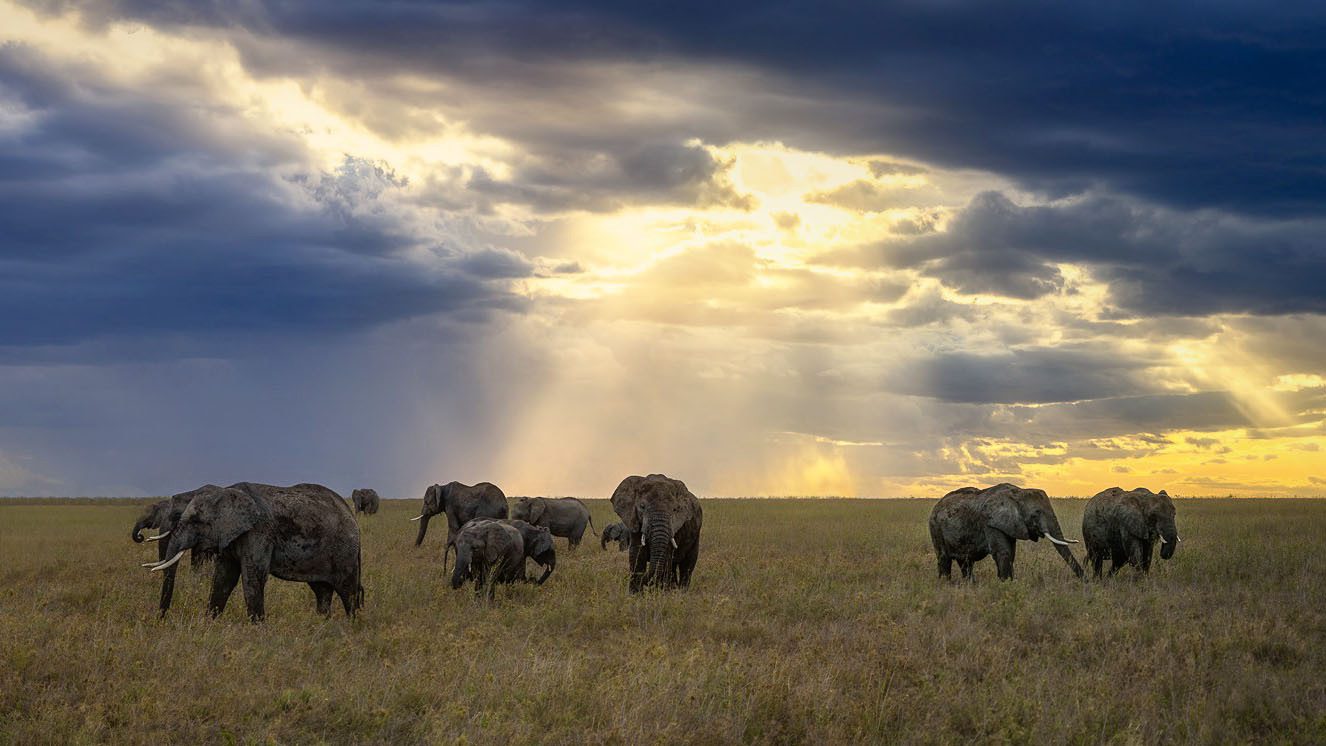
Tarangire National Park is famous for its enormous elephant herds and iconic baobab trees, creating one of Tanzania’s most distinctive photographic landscapes.
During the dry season, hundreds of elephants gather along the Tarangire River, offering countless opportunities for close-up wildlife portraits, family interactions, and dramatic environmental compositions.
The park’s ancient baobab trees add character and scale to photographs, making Tarangire particularly attractive for landscape and wildlife photographers alike.
Lake Manyara National Park – Diversity Through Your Lens
Although smaller than many other parks, Lake Manyara National Park offers remarkable photographic diversity.
Dense groundwater forests, open floodplains, the alkaline lake, and dramatic cliffs create constantly changing scenery throughout a single game drive. The park is also well known for its birdlife, including flamingos, pelicans, storks, kingfishers, and fish eagles.
Photographers may also encounter elephants, giraffes, baboons, and the park’s famous tree-climbing lions.
Nyerere National Park – Remote Wilderness Photography
For photographers seeking a more exclusive experience away from larger crowds, Nyerere National Park offers outstanding opportunities.
Its remote wilderness, river systems, and diverse habitats support elephants, lions, African wild dogs, crocodiles, hippos, and abundant birdlife. Boat safaris provide unique photographic perspectives that are rarely available in other Tanzanian parks, allowing photographers to capture wildlife from water level while enjoying beautiful reflections and dramatic lighting.
Beyond Wildlife – Capturing Tanzania’s Landscapes and Culture
A successful photographic safari extends beyond wildlife. Tanzania’s dramatic scenery offers incredible opportunities for landscape photography, from the snow-capped summit of Mount Kilimanjaro to the Great Rift Valley escarpments and the turquoise waters of Zanzibar.
Cultural experiences also enrich a photographic journey. Visiting Maasai villages, Chagga communities, or local markets allows photographers to document traditional lifestyles, colorful clothing, and authentic daily life while supporting responsible tourism. Respectful interaction and obtaining permission before photographing people are always essential.
Choosing the Right Safari Vehicle for Photography
Your safari vehicle can significantly influence your photographic experience.
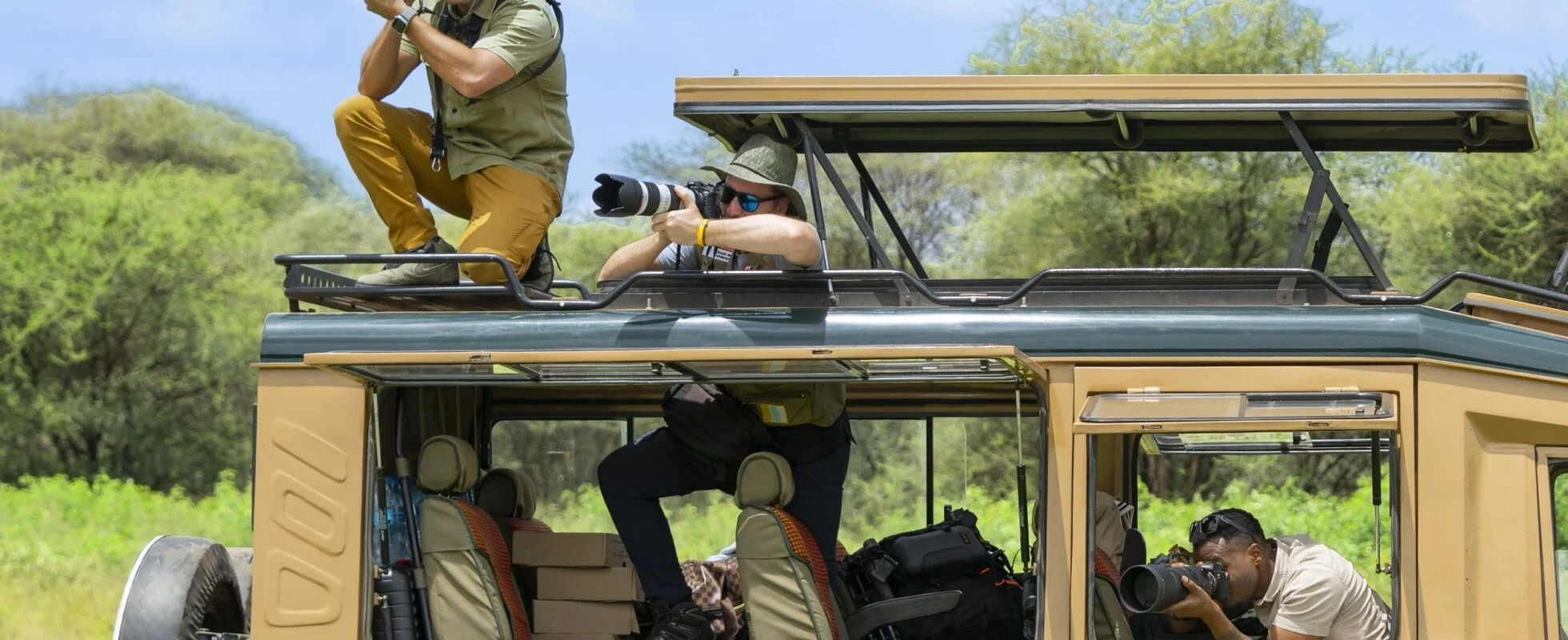
A custom-designed photographic safari vehicle with large sliding windows, a pop-up roof, and comfortable seating allows photographers to move freely while capturing wildlife from different angles. Vehicles with charging ports and enough space for camera bags and tripods are particularly beneficial for extended photography expeditions.
At Trek and Hide Adventures, our well-maintained safari vehicles are designed to maximize comfort while providing excellent visibility for wildlife photography throughout your journey.
Essential Camera Equipment for Tanzania
While professional equipment can enhance your photography, memorable wildlife images are possible with many modern cameras.
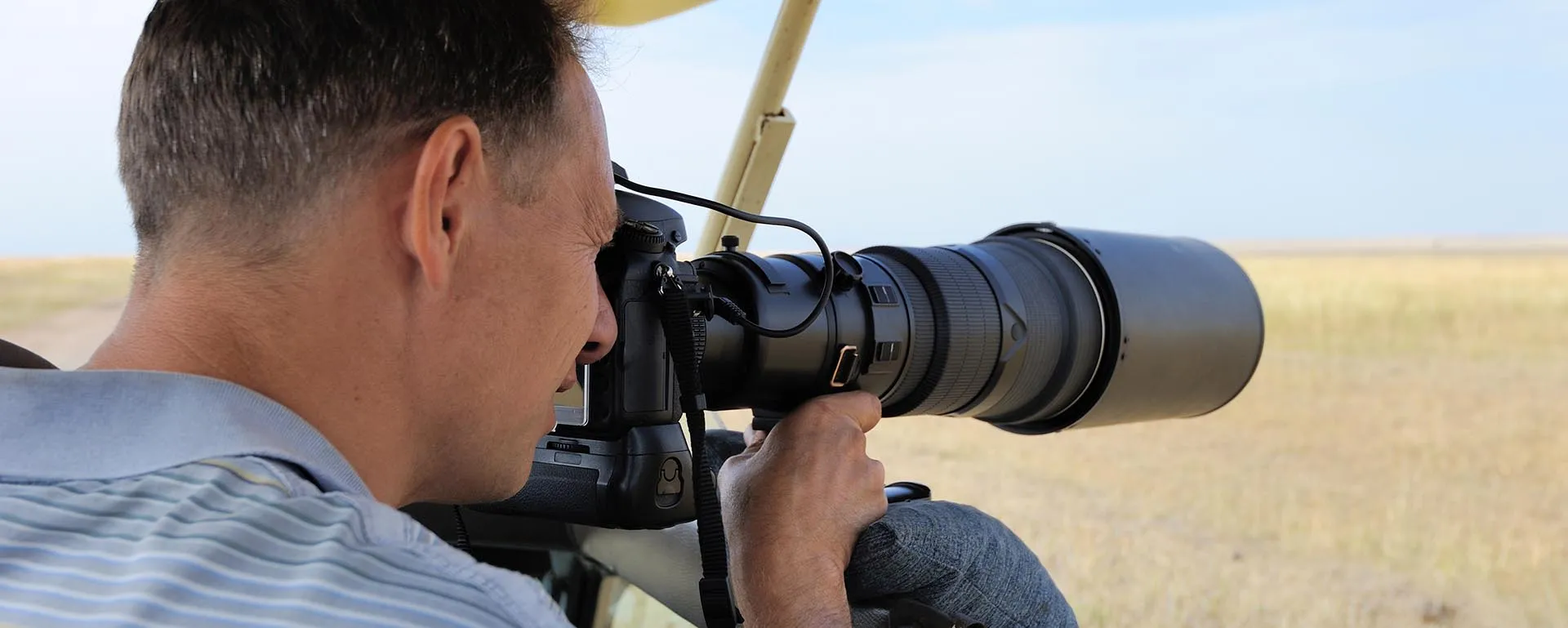
A telephoto lens is invaluable for photographing distant animals, while a wide-angle lens is ideal for landscapes and environmental wildlife scenes. Extra batteries, memory cards, lens cleaning supplies, and protective bags are essential, particularly in dusty safari conditions.
A lightweight bean bag is often more practical than a tripod for stabilizing your camera inside a safari vehicle.
Most importantly, become familiar with your equipment before arriving in Tanzania so you can focus on wildlife rather than camera settings.
Working with Experienced Safari Guides
A knowledgeable safari guide is one of the most valuable assets during a photographic safari.
Experienced guides understand animal behavior, know where wildlife is most likely to be found, and can position the vehicle to provide the best lighting and photographic angles whenever conditions allow. Patience, communication, and flexibility often make the difference between an ordinary photograph and an extraordinary one.
At Trek and Hide Adventures, our professional guides work closely with photographers to maximize every wildlife encounter while ensuring responsible wildlife viewing practices.
Why Choose Trek and Hide Adventures?
At Trek and Hide Adventures, we believe every photographic safari should be designed around the interests of the photographer. Whether your goal is documenting the Great Wildebeest Migration, photographing the Big Five, capturing spectacular birdlife, or combining wildlife photography with cultural experiences, we create personalized itineraries tailored to your vision.
Our experienced guides, comfortable safari vehicles, carefully selected accommodations, and flexible game drive schedules ensure you have the time and freedom to capture Tanzania’s remarkable wildlife under the best possible conditions.
With extensive local knowledge and a passion for conservation, we are committed to helping every guest return home with extraordinary photographs and unforgettable memories.
Final Thoughts
A Tanzania photographic safari offers one of the world’s greatest opportunities to combine adventure, wildlife, and creative expression. Every sunrise over the Serengeti, every elephant crossing the Tarangire River, and every lion resting beneath an acacia tree presents a chance to capture moments that will never be repeated.
Success begins with thoughtful planning, choosing the right destinations, traveling during the most suitable season, and partnering with an experienced local operator who understands the needs of photographers.
With Trek and Hide Adventures, your photography safari becomes more than a holiday—it becomes an inspiring journey through some of Africa’s most spectacular landscapes, where every game drive has the potential to produce your next favorite image.