Best Time to Climb Kilimanjaro

Whay are the Best time to climb Kilimanjaro

When deciding on the best time to climb Mount Kilimanjaro, there are multiple considerations: temperature, scenery, trek congestion, difficulty, and safety. Nevertheless, the foremost factor influencing all these is the weather. Mount Kilimanjaro, situated in an equatorial climate zone, doesn’t have distinct seasons like winter or spring; instead, it experiences wet and dry periods. The wet seasons occur in April-May and November. Predicting the exact start and end of the rain during these times, similar to other tropical regions, is highly challenging. The remaining months constitute the “dry season,” characterized by mostly sunny days, yet there’s no absolute assurance of consistently clear skies.

There are two primary climbing periods: July through August to September and January through February. Many travelers choose to climb during their summer or Christmas vacations because the weather conditions for scaling Mount Kilimanjaro are ideal during these times.

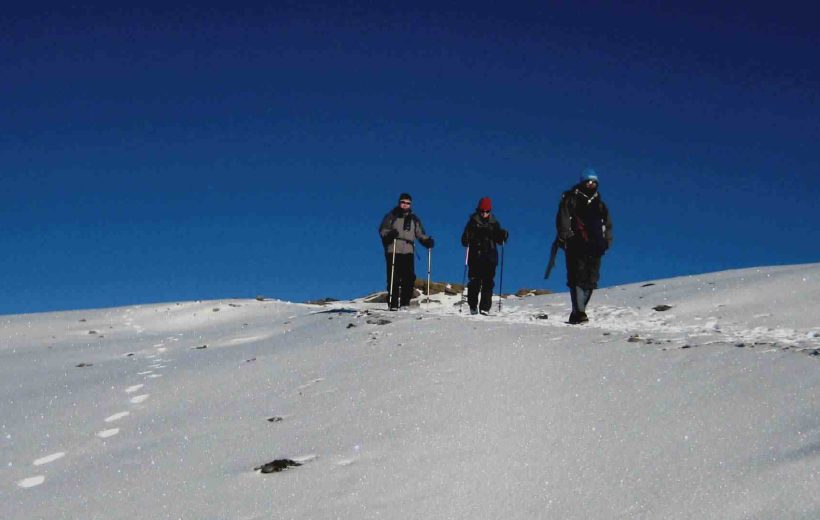
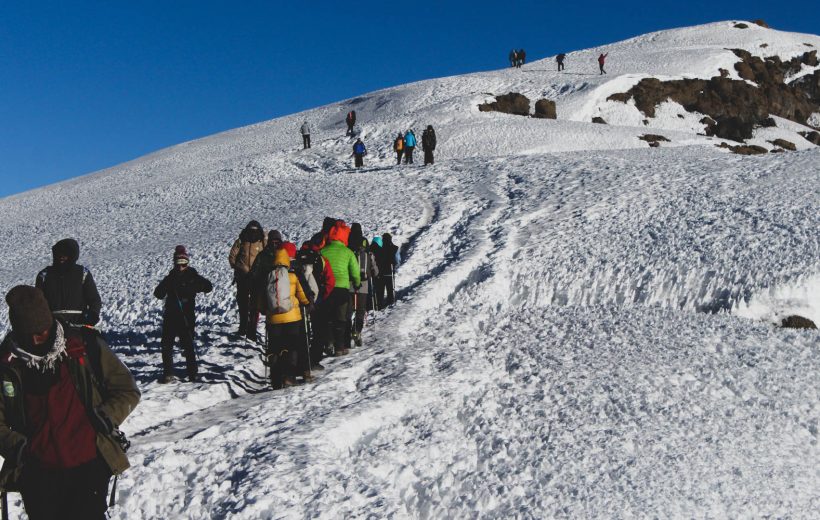
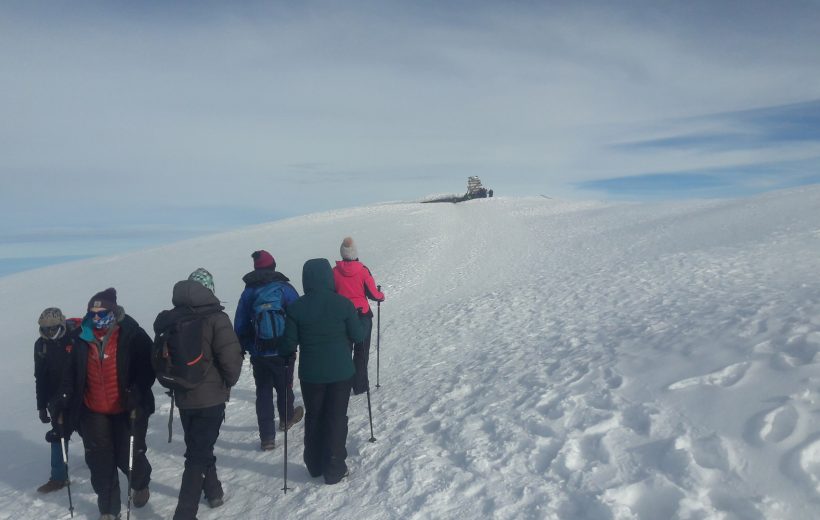
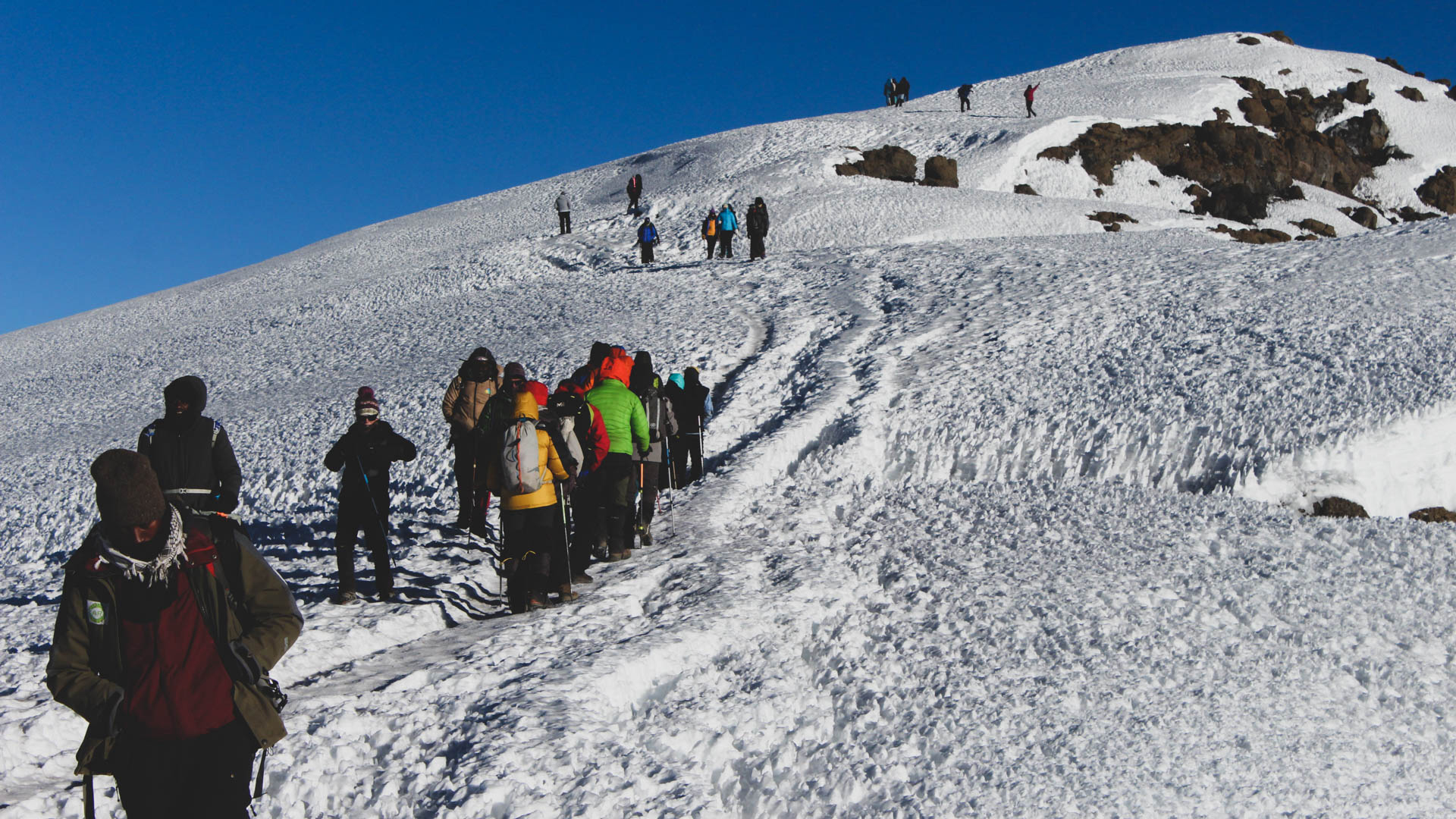
The rainy seasons, which occur in April, May, and November, deter most climbers due to the high likelihood of trekking in drizzly conditions. Rain softens the ground and makes the rocks slippery, turning your ascent into a slower and riskier adventure. However, landscape photographers especially appreciate the rainy season in Tanzania. The increased precipitation leads to more snow on the summit, allowing for the capture of the snow-capped peak of Kilimanjaro. Additionally, it’s the only period when you can avoid the peak traffic on the trails and relish the solitude of walking along paths blanketed in untouched snow.

Mount Kilimanjaro Itineraries

Login