

How Many Days Are Recommended to Hike Mount Kilimanjaro to the Summit?
Reaching the summit of Mount Kilimanjaro is a dream shared by thousands of adventurers every year. Standing at Uhuru Peak (5,895 meters / 19,341 feet), the highest point in Africa, is an unforgettable achievement that rewards determination, preparation, and the right climbing itinerary. One of the most common questions trekkers ask before planning their adventure is: How many days should I spend climbing Kilimanjaro?
The answer depends on your chosen route, your fitness level, your previous experience at high altitude, and most importantly, your body’s ability to acclimatize. While some itineraries are shorter, spending more days on the mountain significantly improves your chances of reaching the summit safely and comfortably.
At Trek and Hide Adventures, we always recommend choosing an itinerary that gives your body enough time to adjust to the altitude while allowing you to fully appreciate the breathtaking beauty of Kilimanjaro.
Why Does the Number of Days Matter?
Unlike technical mountains, climbing Kilimanjaro does not require mountaineering skills or ropes. The greatest challenge is altitude rather than terrain. As you ascend, the oxygen level decreases dramatically, making acclimatization the key factor in a successful summit.
Adding an extra day or two allows your body to adapt gradually, reducing the risk of Acute Mountain Sickness (AMS). Climbers who rush their ascent are far more likely to experience headaches, nausea, fatigue, dizziness, or even be forced to descend before reaching Uhuru Peak.
Choosing a longer itinerary doesn’t necessarily make the climb physically easier, but it greatly increases the likelihood of reaching the summit.
The Recommended Kilimanjaro Climbing Duration
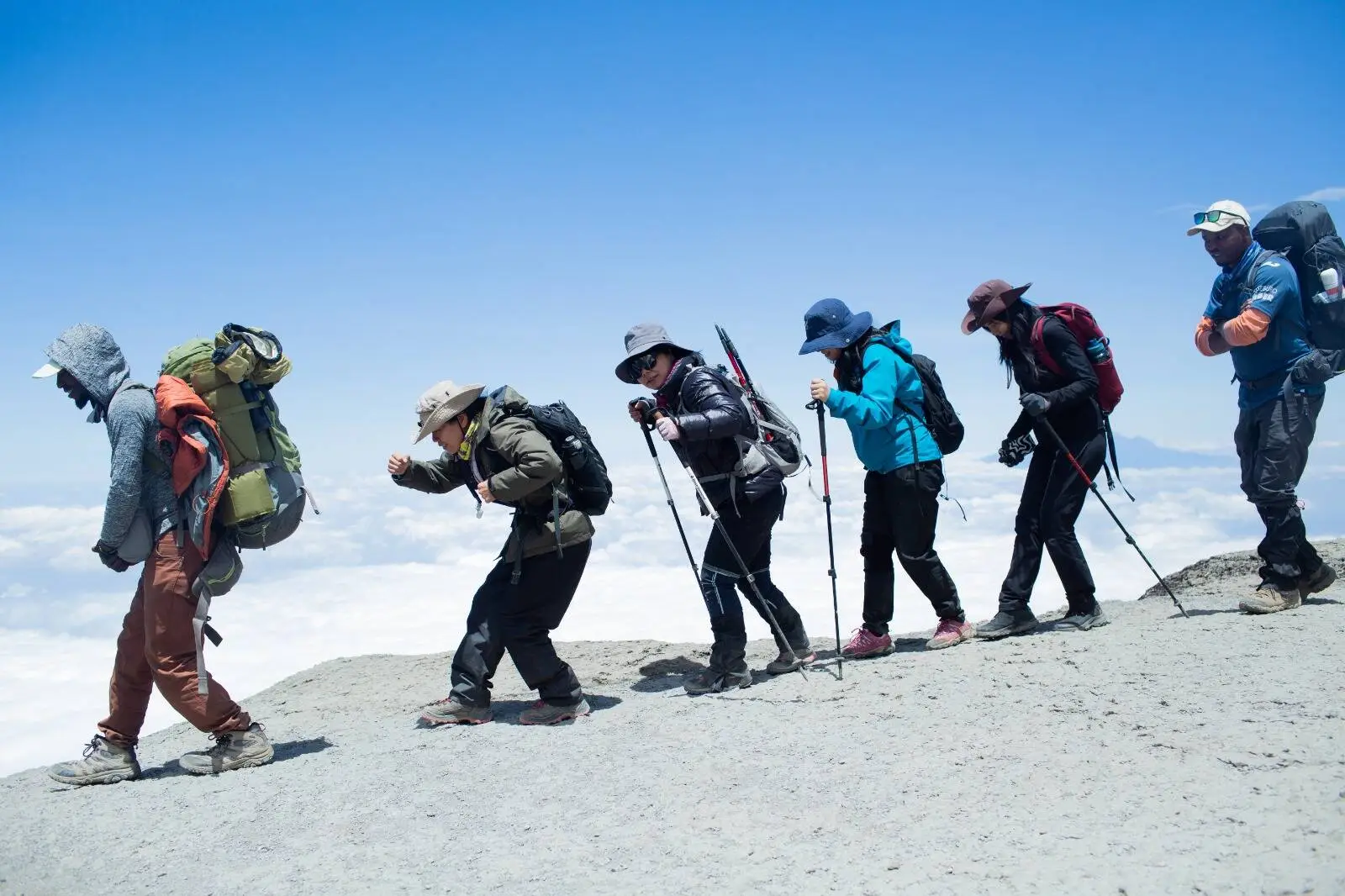
Most experienced guides agree that 7 to 8 days is the ideal duration for climbing Mount Kilimanjaro. These itineraries provide an excellent balance between acclimatization, enjoyment, and summit success.
Six-day climbs are suitable for physically fit hikers with previous high-altitude experience, while five-day itineraries are generally not recommended because they offer very limited acclimatization time.
Longer routes of nine days or more provide the highest summit success rates and are ideal for first-time climbers or anyone who wants a slower, more enjoyable journey.
Comparing Kilimanjaro Climbing Itineraries
5-Day Climbs
Five-day itineraries are the fastest way to reach the summit but are also the least recommended. The rapid ascent gives very little time for acclimatization, resulting in lower summit success rates and a higher chance of altitude sickness.
Although these itineraries may appear less expensive, many climbers underestimate the physical demands of ascending too quickly.
This option is generally only suitable for experienced hikers who have previously climbed at high altitudes.
6-Day Climbs
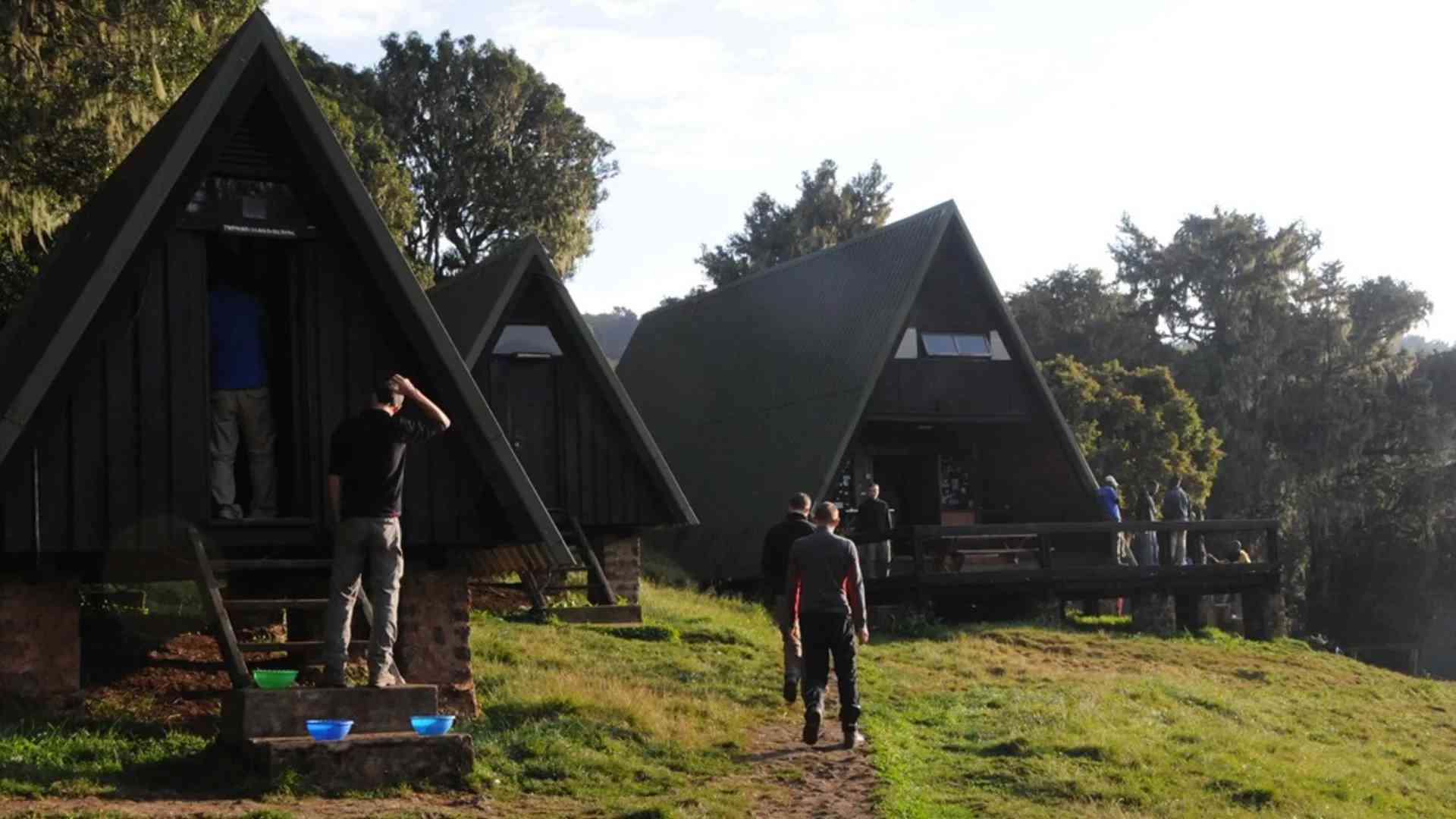
A six-day climb provides slightly better acclimatization than a five-day itinerary and is commonly offered on routes like Machame or Marangu with an extra day.
While many climbers successfully summit in six days, altitude remains a significant challenge. Those with excellent fitness and previous trekking experience may find this option suitable.
7-Day Climbs
For most visitors, a seven-day itinerary offers the best combination of acclimatization and climbing efficiency.
Routes such as the Machame Route and Lemosho Route become much more comfortable when completed over seven days. Climbers have more time to recover between camps, enjoy the scenery, and adapt to increasing altitude.
This duration is highly recommended for first-time Kilimanjaro climbers.
8-Day Climbs
An eight-day climb is considered one of the best choices for maximizing summit success.
With additional acclimatization days, your body has more opportunities to adjust naturally to the thinner air. Climbers generally feel stronger during summit night, increasing both safety and enjoyment.
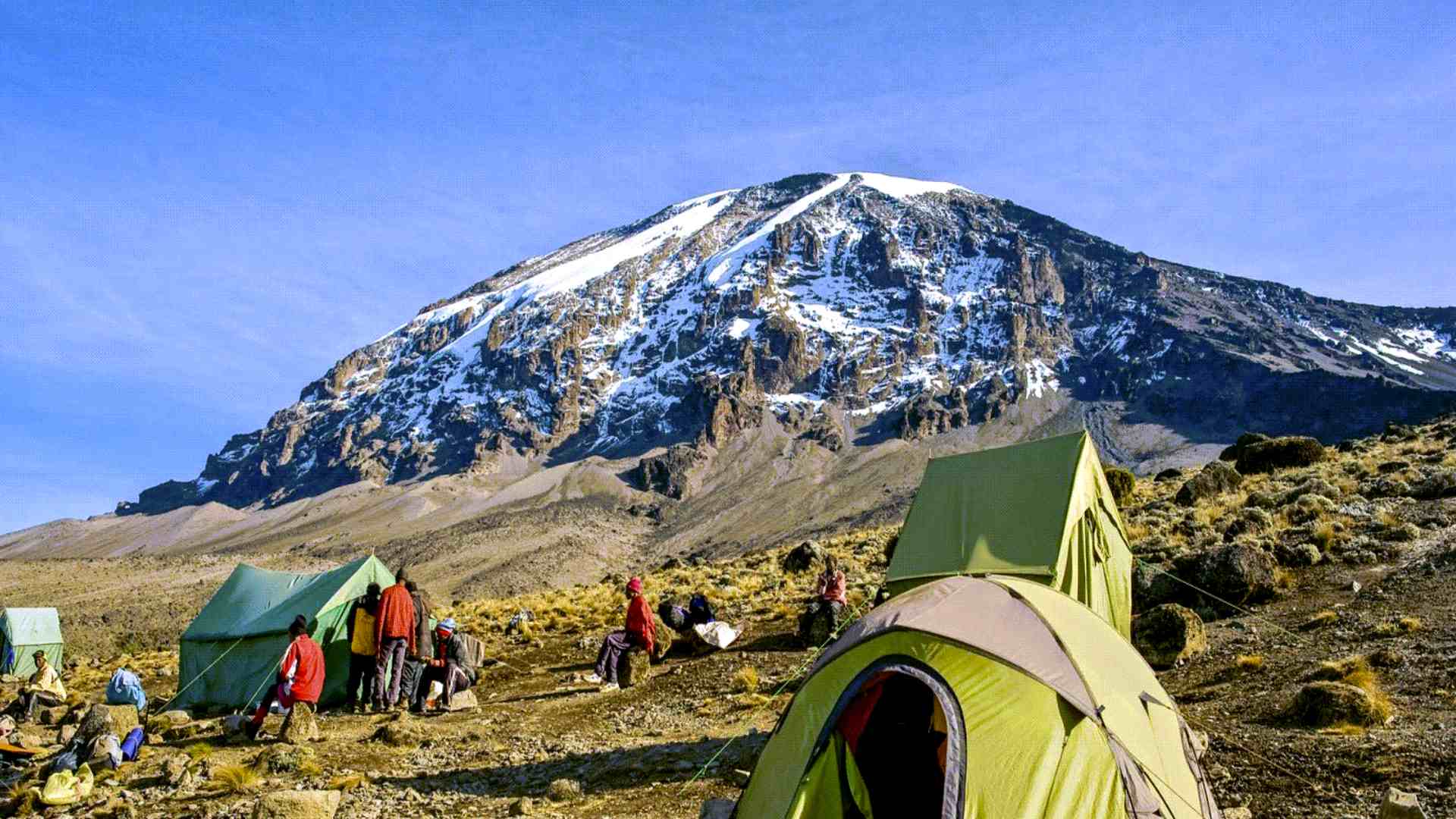
The 8-Day Lemosho Route and Northern Circuit are among the highest-rated itineraries for successful summits.
9-Day Climbs
If your schedule allows, a nine-day itinerary offers one of the safest and most enjoyable ways to climb Kilimanjaro.
The slower pace significantly reduces fatigue while allowing hikers to fully experience Kilimanjaro’s changing ecosystems, from lush rainforest to alpine desert and finally the icy summit.
Longer itineraries are particularly beneficial for older climbers, beginners, photographers, and anyone who wants a relaxed adventure.
Recommended Days by Kilimanjaro Route
Different routes naturally require different durations to provide the best experience.
| Route | Recommended Days | Difficulty | Acclimatization |
|---|---|---|---|
| Marangu Route | 5–6 Days | Moderate | Fair |
| Machame Route | 6–7 Days | Moderate to Challenging | Good |
| Lemosho Route | 7–8 Days | Moderate | Excellent |
| Rongai Route | 6–7 Days | Moderate | Good |
| Shira Route | 7–8 Days | Challenging | Excellent |
| Northern Circuit | 8–9 Days | Moderate | Outstanding |
| Umbwe Route | 6 Days | Very Challenging | Poor |
How Altitude Affects Your Summit Success
Many people believe physical fitness alone determines whether they’ll reach Uhuru Peak. While fitness certainly helps, altitude affects everyone differently regardless of age or athletic ability.
Even marathon runners can experience altitude sickness, while beginners often reach the summit successfully simply because they follow a slower itinerary.
Experienced mountain guides often repeat the same advice:
“Pole Pole”—the Swahili phrase meaning “Slowly, Slowly.”
Walking slowly, staying hydrated, eating well, and allowing enough days for acclimatization are the secrets to climbing Kilimanjaro successfully.
Is It Worth Adding an Extra Day?
Absolutely.
Many climbers hesitate to add another day because of the additional cost. However, when considering the overall investment involved in international flights, park fees, equipment, and travel expenses, an extra acclimatization day is often the best value.
An additional day can:
- Increase summit success rates.
- Reduce the risk of altitude sickness.
- Make summit night less exhausting.
- Allow more time to enjoy Kilimanjaro’s spectacular scenery.
- Improve overall safety and comfort.
For most climbers, this extra investment is well worth it.
Which Itinerary Is Best for First-Time Climbers?
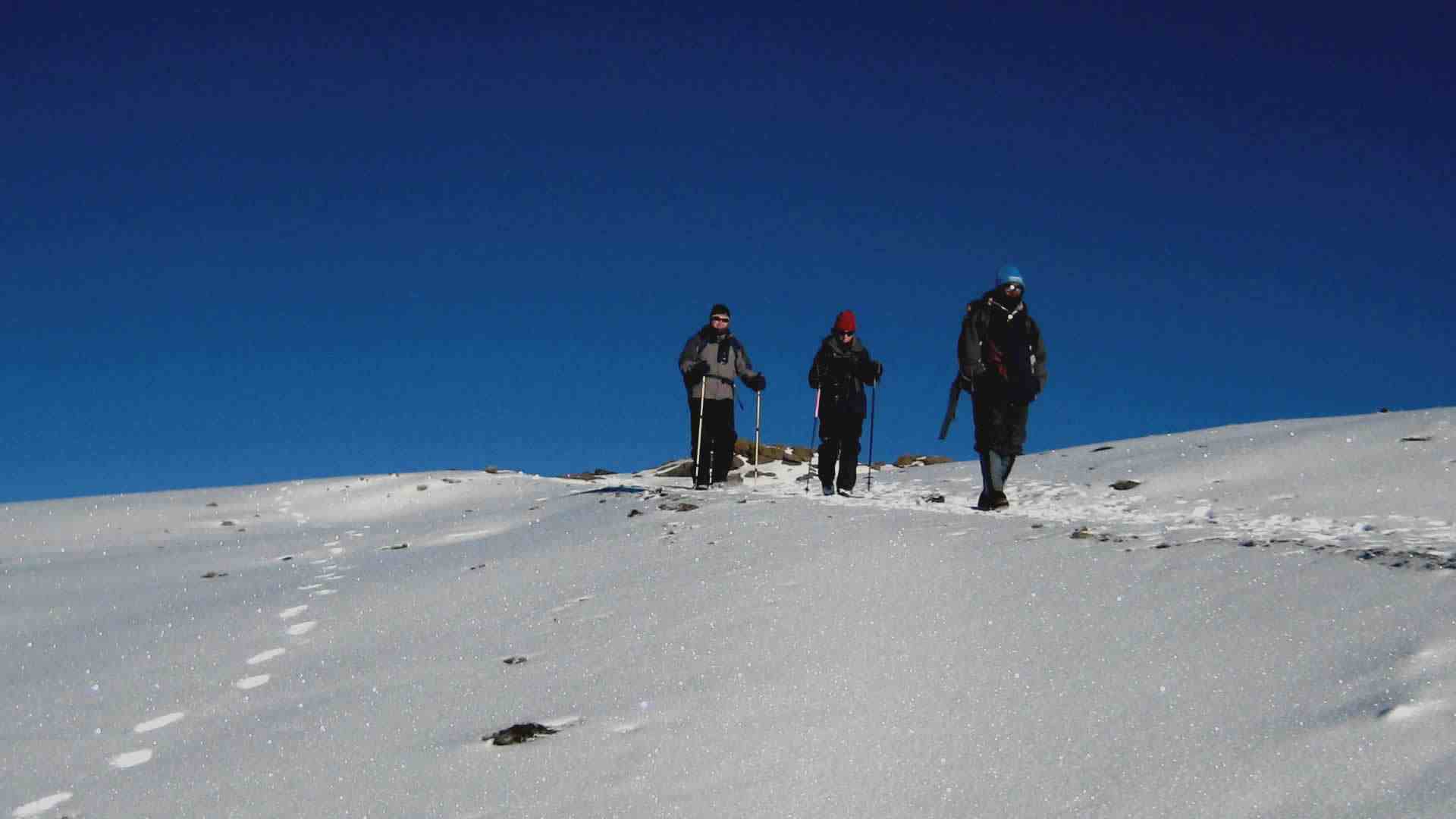
If this is your first time climbing Mount Kilimanjaro, Trek and Hide Adventures strongly recommends choosing either a 7-Day Machame Route, 8-Day Lemosho Route, or the 8 to 9-Day Northern Circuit.
These itineraries provide excellent acclimatization, spectacular scenery, and significantly higher summit success rates compared to shorter climbs.
Rather than focusing on reaching the summit as quickly as possible, these routes allow you to enjoy every stage of the journey while giving your body the best chance to adapt naturally.
Prepare for a Successful Kilimanjaro Adventure with Trek and Hide Adventures
Climbing Mount Kilimanjaro is more than simply reaching Africa’s highest point—it’s an extraordinary journey through diverse landscapes, changing climates, and personal achievement. Choosing the right number of days can make the difference between an enjoyable summit and an early descent due to altitude-related challenges.
At Trek and Hide Adventures, our experienced local mountain guides design itineraries that prioritize safety, proper acclimatization, and an unforgettable trekking experience. Whether you prefer the scenic Lemosho Route, the popular Machame Route, or the longer Northern Circuit, we’ll help you select the itinerary that best matches your fitness level, travel schedule, and adventure goals.
With the right preparation, expert support, and a well-paced itinerary, you’ll be well on your way to standing proudly at Uhuru Peak, the Roof of Africa.