
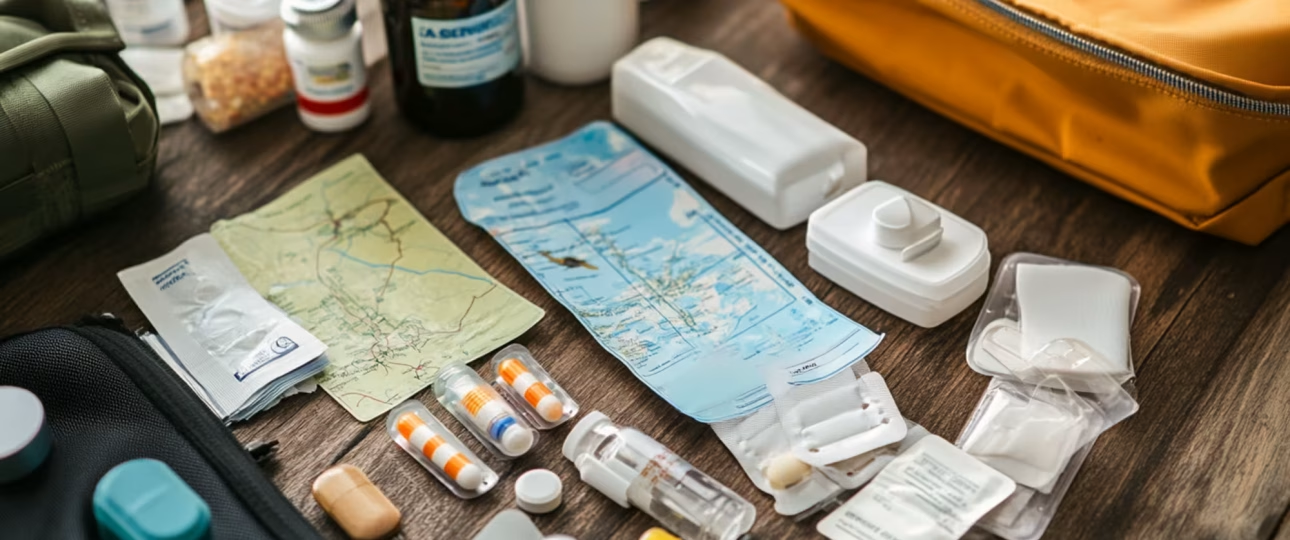
Tanzania Travel Health Information & Vaccination Requirements: Complete Guide for Travelers
Tanzania Travel Health & Vaccination Requirements: Learn about vaccines, yellow fever, malaria prevention, food and water safety and essential health tips.
Planning a trip to Tanzania is an exciting opportunity to experience spectacular wildlife, climb Mount Kilimanjaro, explore Zanzibar’s beaches, discover local cultures and enjoy some of Africa’s most remarkable landscapes. Before traveling, however, it is important to understand the Tanzania travel health information and vaccination requirements that may apply to your journey.
Health recommendations can vary depending on your nationality, previous travel, planned activities, length of stay, destination within Tanzania and individual medical circumstances. A traveler spending a few days in a city may have different considerations from someone planning a safari, camping expedition, Kilimanjaro trek or extended trip through rural areas.
This guide provides general information to help you prepare for your Tanzania adventure. Because health requirements and recommendations can change, travelers should consult a qualified travel-health professional before departure and check the latest official entry requirements for their itinerary.
Tanzania Travel Health: What Should You Know Before Your Trip?
Preparing for your health before traveling to Tanzania is about more than vaccinations. Travelers should also consider mosquito-borne diseases, food and water safety, sun exposure, personal medications, travel insurance and access to medical care.
The CDC’s current Tanzania traveler guidance recommends that visitors review their routine vaccinations, consider destination-specific vaccines and medications, and consult a doctor or travel-medicine specialist before traveling. The CDC recommends having this consultation at least one month before travel where possible.
Your preparation should therefore begin well before your safari, Kilimanjaro climb or Zanzibar holiday.
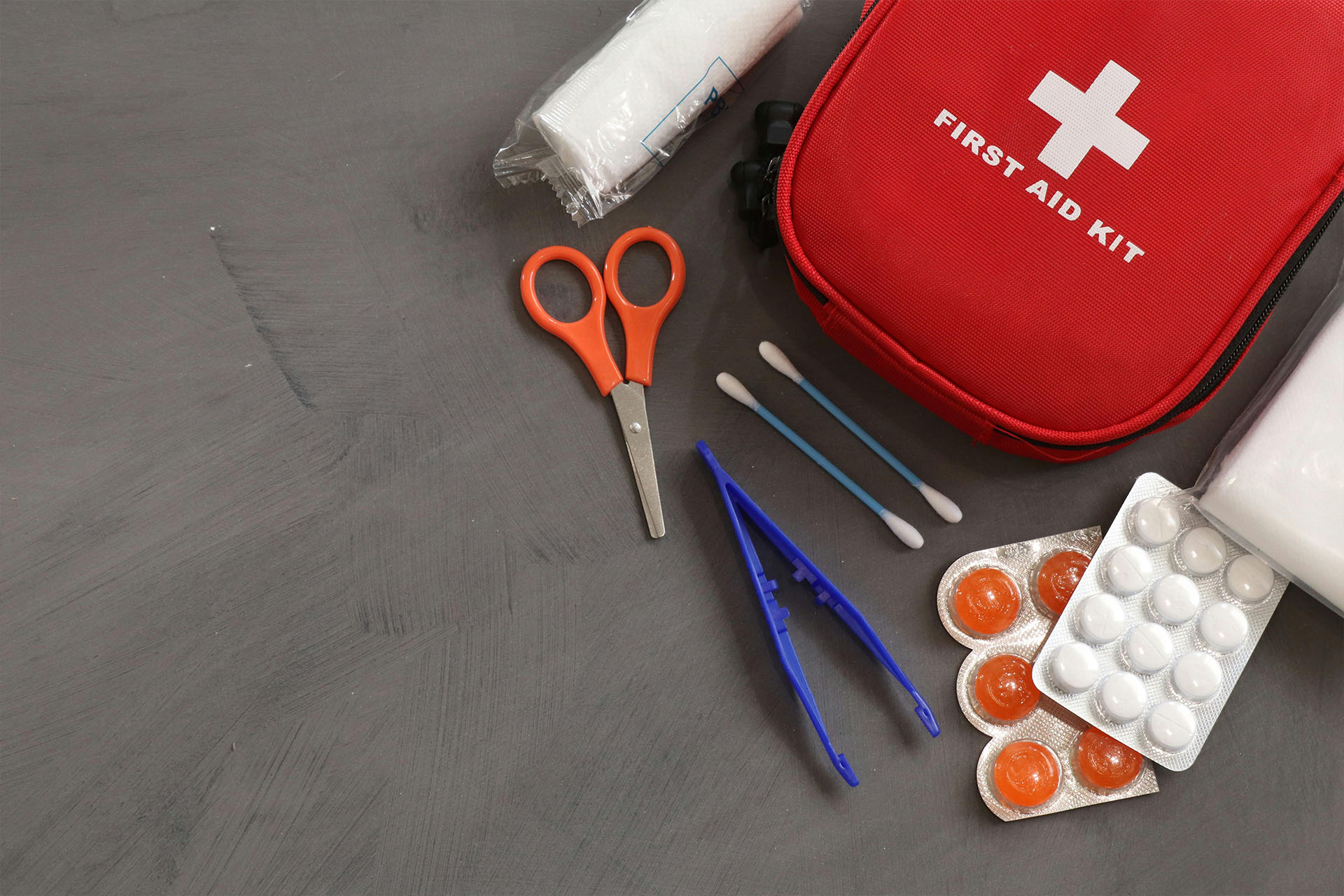
Are Vaccinations Required to Enter Tanzania?
Not every vaccine recommended for travel to Tanzania is a mandatory entry requirement.
The most important distinction concerns yellow fever vaccination.
According to current CDC guidance, yellow fever vaccination is generally not recommended solely because you are traveling to Tanzania, but Tanzania may require proof of yellow fever vaccination from travelers arriving from countries where there is a risk of yellow fever transmission. The requirement can also apply in certain transit situations, including qualifying airport layovers of more than 12 hours in a yellow-fever-risk country.
Because entry requirements can depend on your previous itinerary and transit points, travelers should check the requirements applicable to their individual journey before departure.
Yellow Fever Vaccination for Tanzania
Yellow fever is one of the most important vaccination considerations for international travelers visiting Tanzania.
If you are traveling directly to Tanzania from a country without yellow fever transmission risk, you generally do not need a yellow fever vaccination certificate simply because you are entering Tanzania.
However, if your journey originates from, or includes qualifying transit through, a country with yellow fever transmission risk, Tanzania can require eligible travelers to present proof of vaccination. Current CDC guidance states that this requirement applies to travelers aged 1 year and older arriving from countries with yellow fever transmission risk, including qualifying airport transits.
This is why your complete flight itinerary matters, not just your departure country.
What Is the Yellow Fever Certificate?
The internationally recognized document used to demonstrate yellow fever vaccination is the International Certificate of Vaccination or Prophylaxis (ICVP), commonly called the yellow card.
If yellow fever vaccination is required for your journey, make sure your certificate is properly completed and valid before traveling.
The CDC explains that an ICVP becomes valid for yellow fever 10 days after the primary vaccination, so travelers who need the vaccine should not leave it until the last minute.
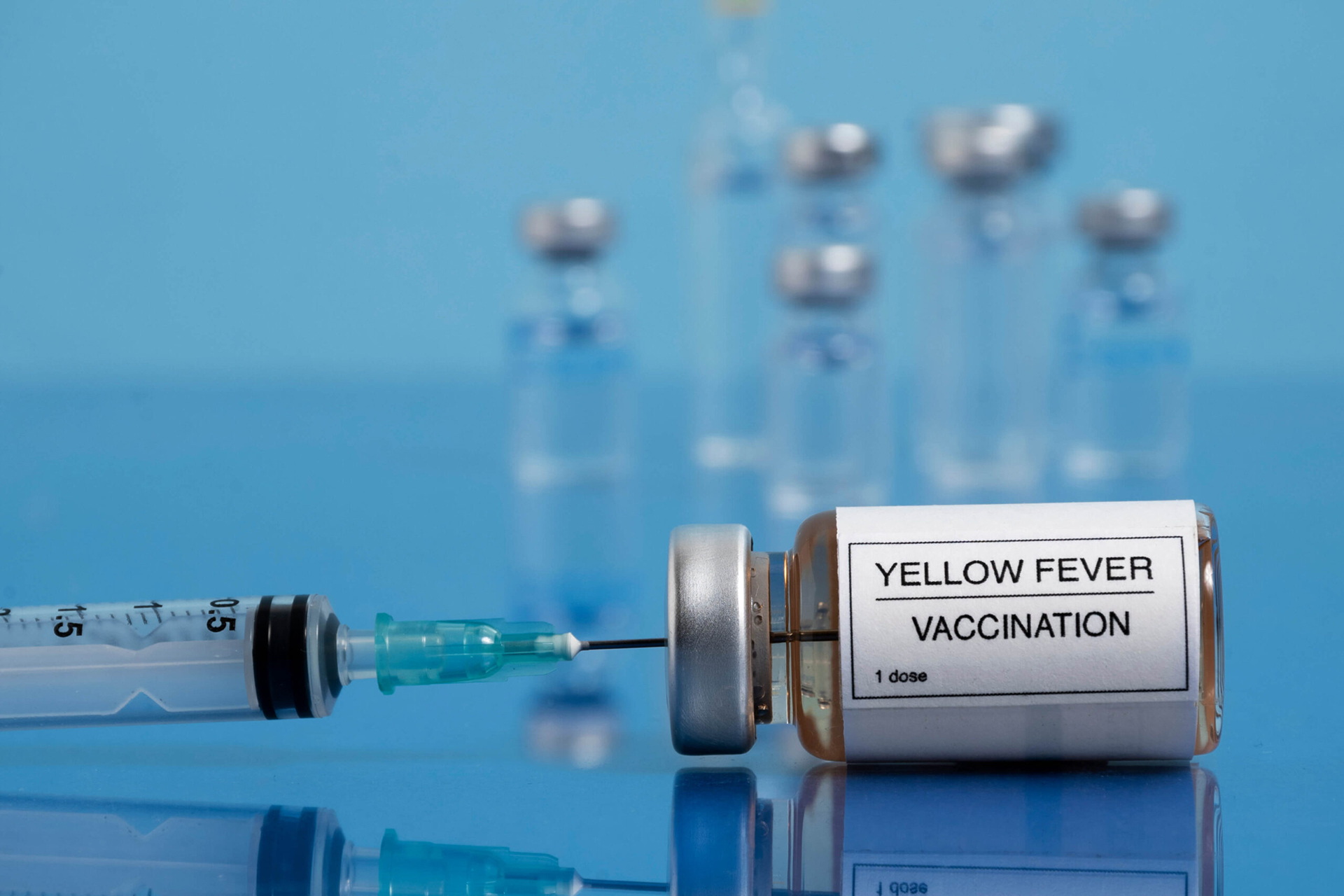
Do I Need a Yellow Fever Vaccine for a Tanzania Safari?
This is a common question among safari travelers.
If your safari begins with direct travel from a country without yellow fever transmission risk, the vaccine is generally not recommended specifically because of the Tanzania safari itself according to current CDC guidance.
However, the answer may be different if you have recently visited or transited through a yellow-fever-risk country.
For this reason, travelers should look at their entire international itinerary, including connecting airports.
Recommended Vaccines for Tanzania Travelers
Some vaccines may be recommended even when they are not mandatory for entry.
The CDC currently recommends that travelers to Tanzania be up to date with routine vaccinations and considers several additional vaccines depending on the traveler and itinerary. These include hepatitis A, hepatitis B, typhoid, polio, rabies and other vaccines or preventive measures depending on individual circumstances.
A travel-health professional can help determine which vaccinations are appropriate for you.
Routine Vaccinations
Before traveling internationally, make sure your routine vaccinations are up to date.
Depending on your age and medical history, these can include vaccinations for diseases such as measles, mumps and rubella, tetanus, diphtheria, pertussis, influenza, polio and chickenpox.
The CDC currently emphasizes ensuring travelers are up to date with routine vaccinations before traveling internationally.
Hepatitis A Vaccination
Hepatitis A is commonly considered for travelers visiting Tanzania because infection can occur through contaminated food or water.
The CDC currently recommends hepatitis A vaccination for unvaccinated travelers aged one year and older traveling to Tanzania, with specific recommendations for infants and certain higher-risk travelers.
Good food and water hygiene remains important even if you are vaccinated.
Typhoid Vaccination
Typhoid is another health consideration for travelers to Tanzania, particularly depending on the style and duration of travel.
The CDC currently recommends typhoid vaccination for most travelers to Tanzania and emphasizes that vaccination does not provide complete protection. Safe food and water practices remain important.
This is particularly relevant for travelers spending time in rural areas or traveling beyond conventional tourist routes.
Hepatitis B Vaccination
Hepatitis B vaccination may also be recommended depending on your age, health circumstances and travel plans.
The CDC currently recommends hepatitis B vaccination for unvaccinated travelers younger than 60 traveling to Tanzania and notes that travelers aged 60 and above may also choose to receive it after discussing their circumstances with a healthcare professional.
Rabies and Tanzania Travel
Rabies is present in Tanzania, including among dogs and some wildlife.
Travelers who expect significant contact with animals, are planning remote travel or may have difficulty reaching appropriate medical care quickly may need to discuss pre-exposure rabies vaccination with a healthcare professional.
This can be particularly relevant for travelers planning extended rural travel, cycling, walking experiences, camping or activities involving close contact with animals.
The CDC notes that rabies exposure can occur in Tanzania and that access to appropriate post-exposure vaccination may be more limited outside larger urban or suburban medical facilities.
Malaria Prevention in Tanzania
Malaria is an important health consideration for many travelers visiting Tanzania.
Unlike vaccinations, malaria prevention may involve a combination of medication and measures to reduce mosquito bites.
The CDC currently identifies malaria transmission in areas of Tanzania below approximately 1,800 metres (5,900 feet) and recommends that travelers discuss appropriate prescription malaria prevention with a healthcare professional.
The appropriate medication depends on factors such as your destination, medical history, medications and individual circumstances.

Malaria and a Kilimanjaro Trek
Altitude is an important consideration when combining Tanzania safari and Kilimanjaro trekking.
Much of Mount Kilimanjaro is at high altitude, and malaria transmission risk differs with elevation. However, travelers should not assume that a Kilimanjaro trek eliminates the need to consider malaria prevention for the rest of their Tanzania itinerary.
For example, travelers may spend time in Arusha, Moshi, safari areas or other lower-altitude locations before or after climbing.
A travel-health professional can assess your complete itinerary rather than considering Kilimanjaro in isolation.
Protect Yourself From Mosquito Bites
Vaccination and medication are only part of mosquito-borne disease prevention.
During your Tanzania trip, consider using insect repellent, wearing appropriate clothing and using accommodation with suitable mosquito protection.
The CDC recommends mosquito-bite prevention measures such as insect repellent, long clothing and appropriate accommodation protection because vaccines do not prevent every mosquito-borne disease travelers may encounter.
This can be especially important during evenings and in areas where mosquito activity is higher.
Food and Water Safety in Tanzania
Enjoying local Tanzanian food is an important part of the travel experience, but travelers should still take reasonable precautions with food and drinking water.
Choose safe drinking water and practice good hand hygiene, particularly before eating.
Be cautious with food that has been improperly stored or exposed to contamination.
The CDC recommends paying attention to food and water safety when traveling in Tanzania because vaccines do not protect against every food- and water-borne illness.
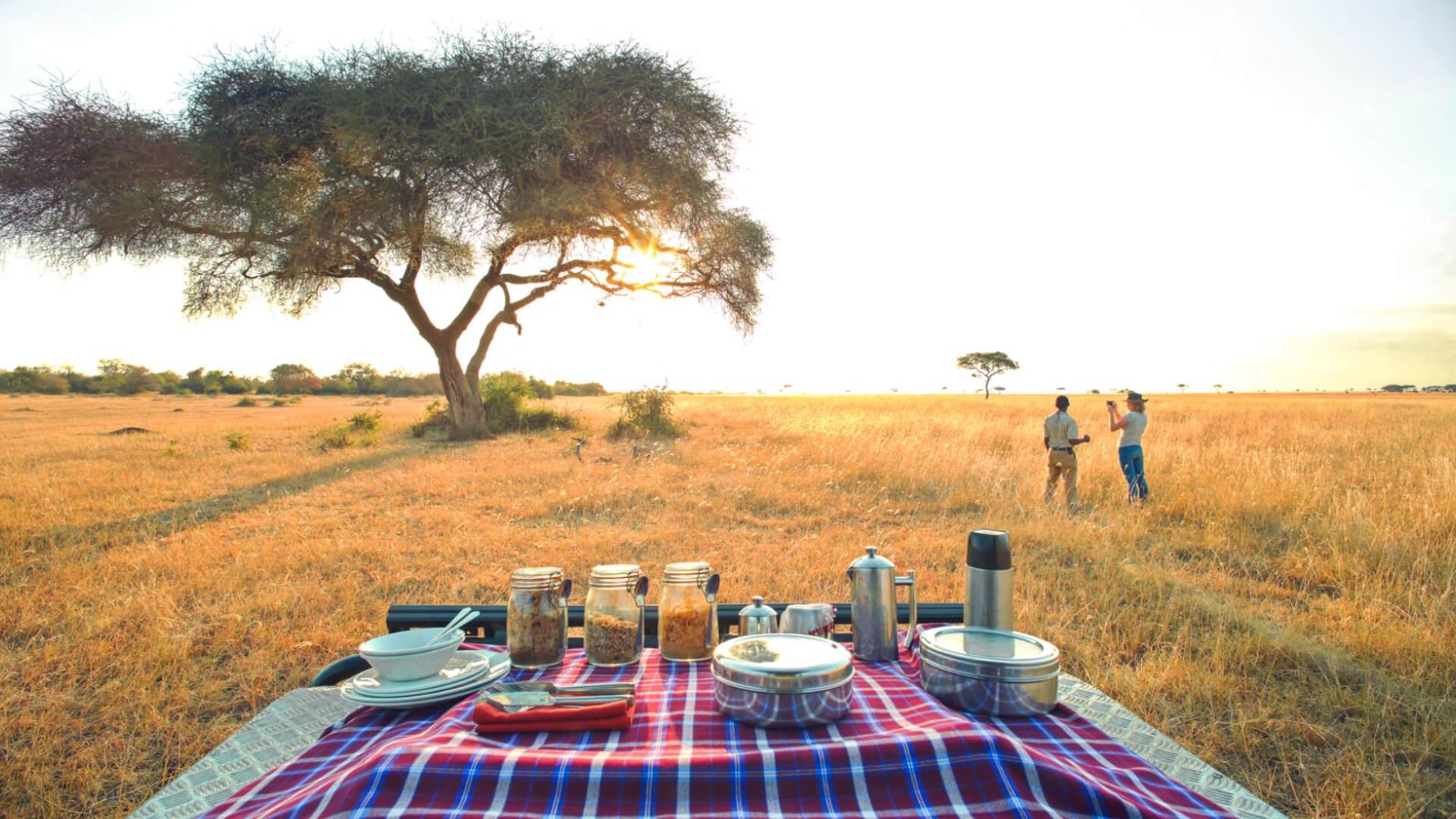
Staying Healthy During a Tanzania Safari
Safari days can involve several hours in a vehicle, sometimes under strong sunlight and warm conditions.
Staying hydrated, protecting yourself from the sun and getting sufficient rest can make a significant difference to your comfort.
A reusable water bottle, sunscreen, sunglasses and a hat are useful additions to your Tanzania safari packing list.
If your itinerary includes walking safaris, hiking or cycling, hydration becomes even more important.
Health Considerations for Kilimanjaro Climbers
Travelers combining safari with a Mount Kilimanjaro climb should prepare for the physical demands of high-altitude trekking.
Altitude sickness is different from ordinary travel illness and cannot be prevented simply by being physically fit.
A sensible itinerary with sufficient acclimatization time is important, and trekkers should communicate honestly with their guides if they develop symptoms.
Travelers with existing medical conditions should discuss their Kilimanjaro plans with a qualified healthcare professional before departure.
Health Considerations for Zanzibar
Travelers visiting Zanzibar after a Tanzania safari should follow the same basic health precautions concerning food, water, mosquitoes, sun exposure and personal medication.
Your vaccination and medication requirements should be based on your whole Tanzania itinerary, rather than treating mainland Tanzania and Zanzibar as completely separate health destinations.
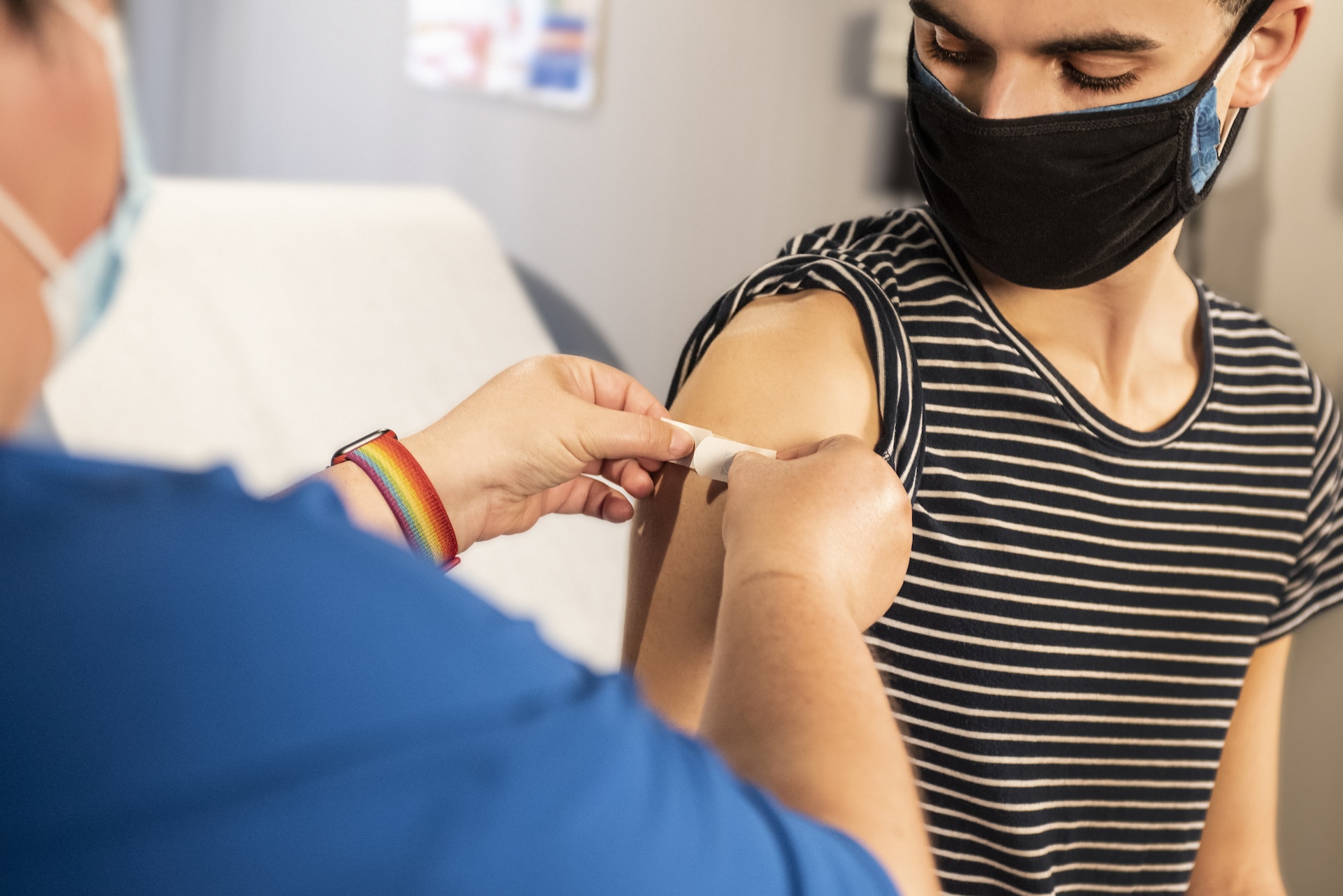
Travel Insurance and Medical Evacuation
Travel insurance is an important part of preparing for a Tanzania adventure.
Your policy should be suitable for the activities you plan to undertake. This is particularly important if your itinerary includes safari, Kilimanjaro trekking, walking safaris, cycling, boating or other adventure activities.
The CDC recommends reviewing your health insurance coverage and considering travel health and medical evacuation insurance when appropriate.
For remote safari destinations and mountain expeditions, travelers should pay particular attention to emergency medical and evacuation coverage.
Bring Your Regular Medication
If you take prescription medication regularly, bring enough for your entire trip and consider carrying additional supplies in case of unexpected delays.
Keep medicines in their original packaging and carry the relevant prescription or medical documentation where appropriate.
The CDC also recommends carrying the medicines you may need, including extra supplies in case of travel delays, and checking whether your medications are legal to bring into the destination country.
When Should You Visit a Travel Health Clinic?
Ideally, don’t wait until the week before your Tanzania trip.
The CDC recommends consulting a doctor or travel-medicine specialist at least one month before travel where possible.
An early consultation gives you time to receive recommended vaccinations, complete multi-dose vaccine schedules where necessary, discuss malaria prevention and address any individual health concerns.
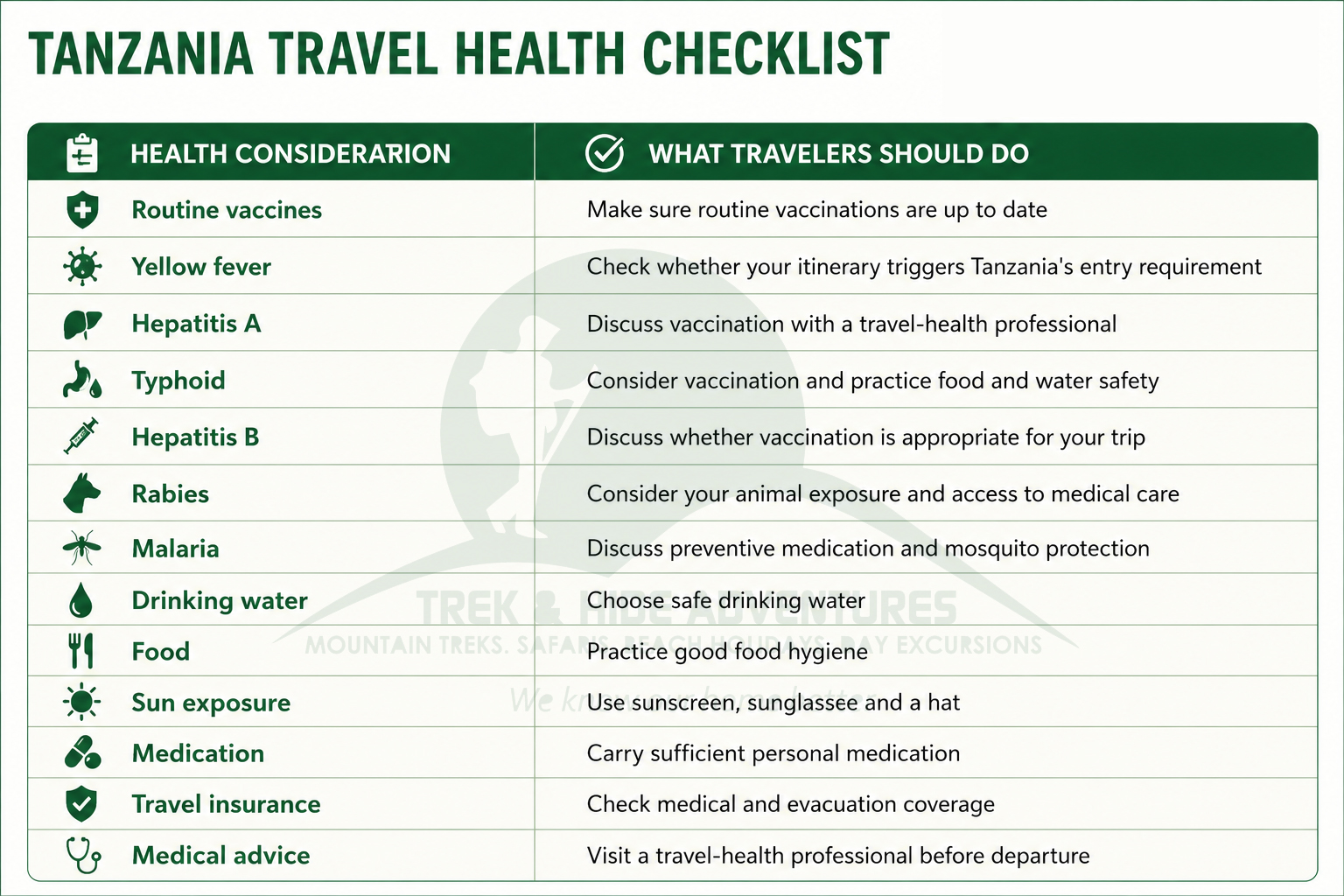
What Should You Pack in a Tanzania Travel Health Kit?
A small personal health kit can be useful during your Tanzania adventure.
Depending on your personal needs, it may include prescription medication, basic first-aid supplies, insect repellent, sunscreen, hand sanitizer and any other items recommended by your healthcare professional.
Travelers should avoid relying entirely on purchasing medication after arriving, particularly if they are traveling to remote safari areas or undertaking a multi-day trek.
What Happens If You Get Sick in Tanzania?
If you become seriously unwell during your trip, inform your safari guide, trekking guide, accommodation team or tour operator as soon as possible.
Your operator can help coordinate access to appropriate medical assistance and, when necessary, emergency arrangements.
Travelers should also keep their travel insurance information and emergency contacts accessible.
Do Vaccination Requirements Change?
Yes. Travel health recommendations and entry requirements can change.
This is especially important for an article such as this one because travelers may read it months or even years after publication.
Trek and Hide Adventures should therefore avoid presenting vaccination information as permanently fixed. Instead, the article should encourage readers to verify current requirements with the relevant authorities, embassy or consulate and a qualified travel-health professional before departure.
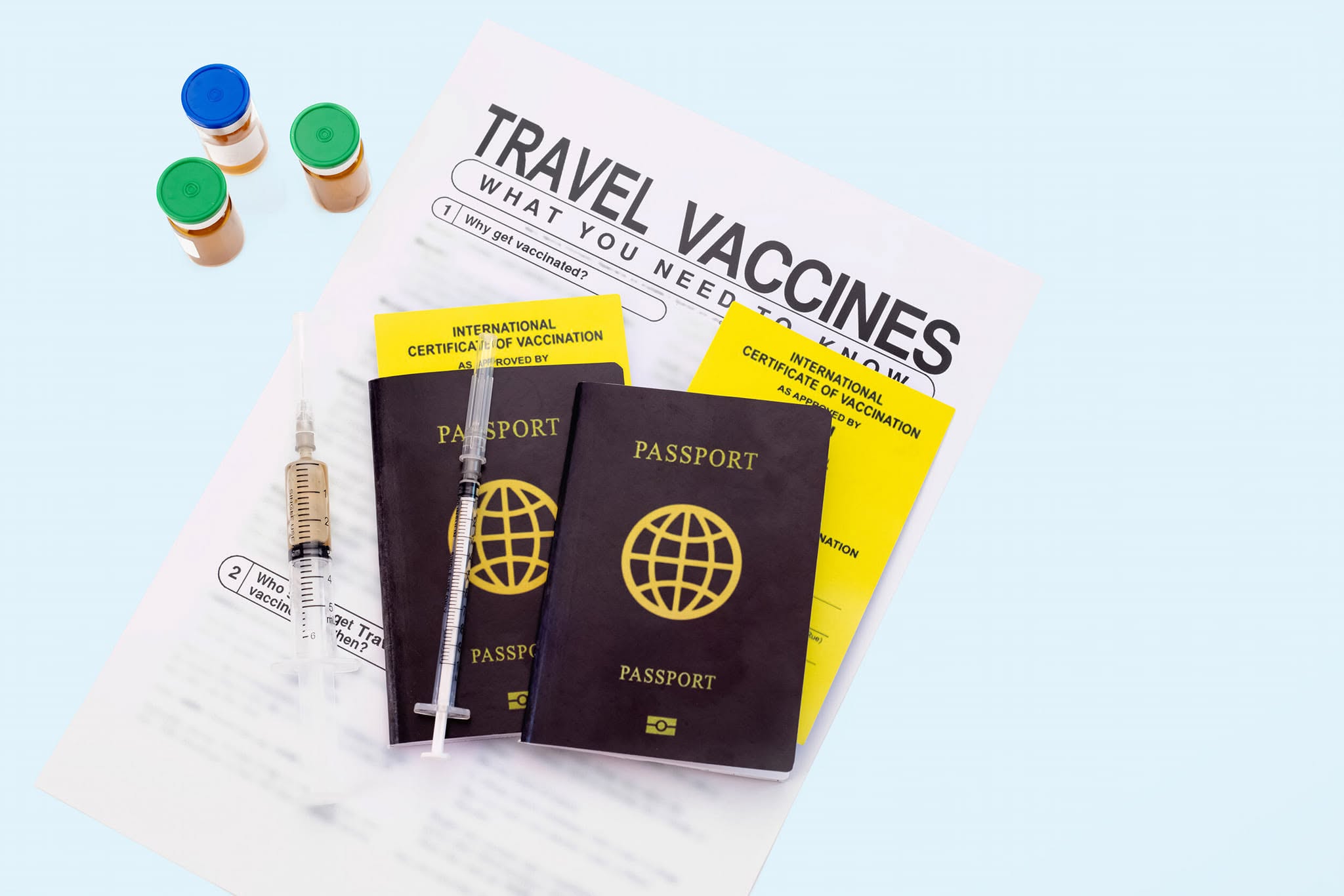
The CDC’s Tanzania traveler page was most recently reviewed on August 20, 2026, illustrating why this information should be checked regularly.
Important Note About Tanzania Vaccination Requirements
The information in this article is intended as general travel-planning guidance and is not a substitute for medical advice.
Vaccination recommendations depend on individual circumstances, while entry requirements can depend on your nationality, previous destinations and transit itinerary.
Before traveling to Tanzania, consult a qualified travel-health professional and verify the latest official entry requirements for your specific journey.
Final Thoughts on Tanzania Travel Health and Vaccinations
Preparing your health before visiting Tanzania doesn’t need to be complicated.
The most important step is to start early. Review your routine vaccinations, check whether yellow fever documentation applies to your itinerary, discuss malaria prevention and other recommended vaccines with a qualified healthcare professional, and prepare appropriate medication and travel insurance.
Whether you are planning a Tanzania safari, Mount Kilimanjaro trek, Zanzibar holiday, cycling adventure or cultural experience, good preparation allows you to spend less time worrying about health logistics and more time enjoying Tanzania.
At Trek and Hide Adventures, we encourage travelers to prepare responsibly, follow professional medical advice and travel with the appropriate documentation for their itinerary.
Prepare well. Travel responsibly. Experience Tanzania with confidence.
Frequently Asked Questions About Tanzania Travel Health
Do I need vaccinations to travel to Tanzania?
Not every traveler needs the same vaccinations. Routine vaccinations should be up to date, while vaccines such as hepatitis A, typhoid, hepatitis B or rabies may be recommended depending on individual circumstances and travel plans. Yellow fever vaccination can be an entry requirement for eligible travelers arriving from countries with yellow fever transmission risk.
Is yellow fever vaccination mandatory for Tanzania?
Not for every traveler. Tanzania’s yellow fever entry requirement generally depends on where you are traveling from and your qualifying transit history. Travelers arriving from yellow-fever-risk countries may need to provide an International Certificate of Vaccination or Prophylaxis.
How long before Tanzania travel should I get vaccinated?
Ideally, consult a travel-health professional at least one month before departure. Some vaccinations require multiple doses, and yellow fever vaccination documentation becomes valid 10 days after primary vaccination.
Is malaria a risk in Tanzania?
Yes. Malaria transmission occurs in parts of Tanzania, particularly at lower elevations. Travelers should discuss appropriate preventive medication and mosquito-bite protection with a healthcare professional.
Do I need malaria tablets for a Tanzania safari?
This depends on your itinerary, destination, elevation and individual medical circumstances. A doctor or travel-medicine specialist can recommend the appropriate preventive approach.
Do I need a yellow fever certificate for a Tanzania safari from Europe or North America?
Generally, travelers arriving directly from countries without yellow fever transmission risk do not need a yellow fever certificate solely because they are visiting Tanzania. However, requirements can change and can depend on transit through yellow-fever-risk countries, so check your complete itinerary before departure.
Is vaccination required for Zanzibar?
Health and entry requirements should be checked according to your complete Tanzania itinerary, including Zanzibar and any countries visited or transited through before arrival. Current CDC Tanzania guidance includes Zanzibar.