
Is It Possible to Climb Kilimanjaro Without a Guide? Complete Guide for Trekkers
Can you climb Kilimanjaro without a guide? Learn about Tanzania’s guiding requirements, safety, acclimatization, routes and why a local guide is essential.
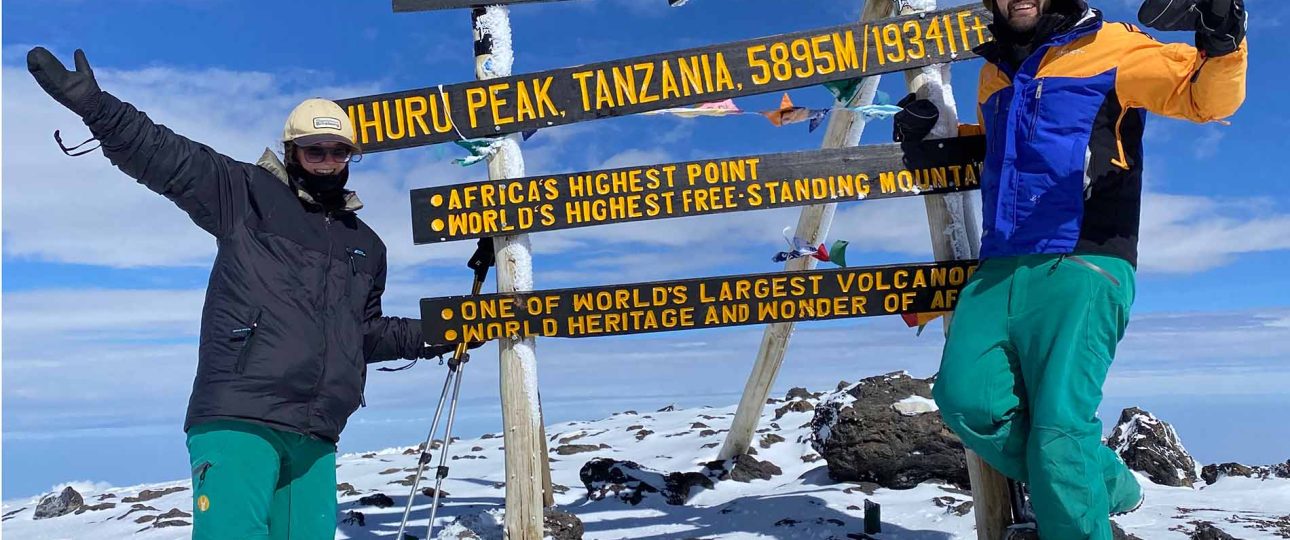
Mount Kilimanjaro is one of the world’s most famous trekking destinations and a dream adventure for travelers from across the globe. Standing at 5,895 metres (19,341 feet) above sea level, Uhuru Peak is the highest point in Africa and attracts thousands of climbers every year.
Because Kilimanjaro does not require technical mountaineering equipment on its standard trekking routes, some travelers naturally ask an important question: Is it possible to climb Mount Kilimanjaro without a guide?
The short answer is no—not for a standard Kilimanjaro climb within the national park under Tanzania’s current regulations. Climbers are required to be accompanied by an authorized guide arrangement, and visitors are expected to use properly registered and licensed tour operators. Tanzania National Parks Authority (TANAPA) currently advises people planning to climb Kilimanjaro to use a reputable registered local tour operator employing trained guides with a strong track record and knowledge of current mountain conditions.
But the requirement for a guide is about much more than regulations. An experienced Kilimanjaro guide provides navigation, altitude monitoring, mountain safety, route knowledge, emergency coordination, and practical support throughout the expedition.
For travelers planning a Kilimanjaro trek, understanding why professional guiding is required—and why it is valuable—is an important part of preparing for the mountain.
Can You Legally Climb Kilimanjaro Without a Guide?
For the standard trekking routes within Kilimanjaro National Park, independent, unguided climbing is not permitted.
Tanzania’s Mountain National Parks Regulations state that a guide and/or an armed park ranger shall guide every climbing group. The regulations also specify that park authorities deal with properly registered and licensed tour operations, while tour operators are required to employ trained guides who meet the relevant requirements.
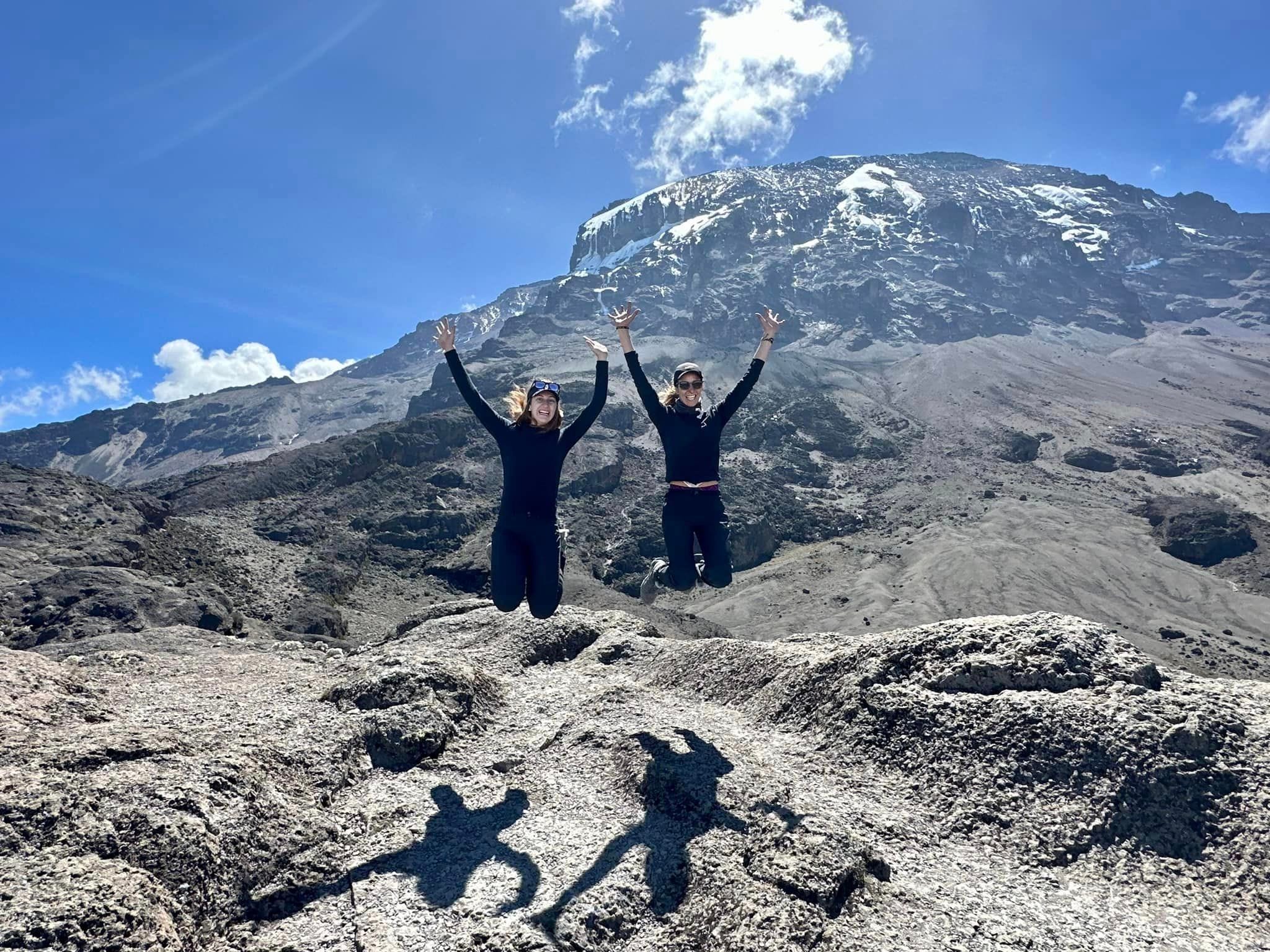
This means that a traveler cannot simply arrive at Kilimanjaro National Park, pay the entrance fees, and begin walking toward Uhuru Peak alone.
TANAPA’s current visitor planning information also specifically identifies Kilimanjaro climbs as an activity for which guiding is required.
Therefore, when searching online for information about climbing Kilimanjaro without a guide, it is important to distinguish between being physically capable of hiking independently and being legally permitted to undertake the climb independently.
On Kilimanjaro, the latter is the decisive issue.
Why Is a Guide Required on Mount Kilimanjaro?
The guide requirement exists for several important reasons, including visitor safety, route management, environmental protection, and emergency preparedness.
Although Kilimanjaro’s popular routes do not normally require technical climbing skills, the mountain is still a high-altitude environment with rapidly changing weather, difficult terrain, and potentially serious altitude-related risks.
TANAPA notes that conditions on Kilimanjaro vary according to altitude, time of year, and time of day and can be unpredictable. The authority also advises climbers to add days for acclimatization and to walk slowly.
A professional guide is therefore not simply someone who shows you where to walk. The guide becomes an important part of the safety system throughout the expedition.
What Does a Kilimanjaro Guide Actually Do?
Many first-time climbers assume that a guide is mainly needed for navigation. In reality, the role is much broader.
A professional Kilimanjaro guide helps manage the pace of the group, monitors the condition of climbers, explains the route and terrain, coordinates the mountain crew, and helps make decisions when weather or health conditions change.
Guides also understand the different sections of the mountain and know how the terrain changes as the route progresses through rainforest, moorland, alpine desert, and the high-altitude summit zone.
During summit night, their experience becomes particularly valuable. Climbers normally begin the final ascent during the night, when temperatures are extremely low and visibility can be limited. The guide helps maintain an appropriate pace and monitors the group during one of the most physically demanding parts of the trek.
Can You Climb Kilimanjaro Without Technical Climbing Experience?
This is where Kilimanjaro differs from many other famous mountains.
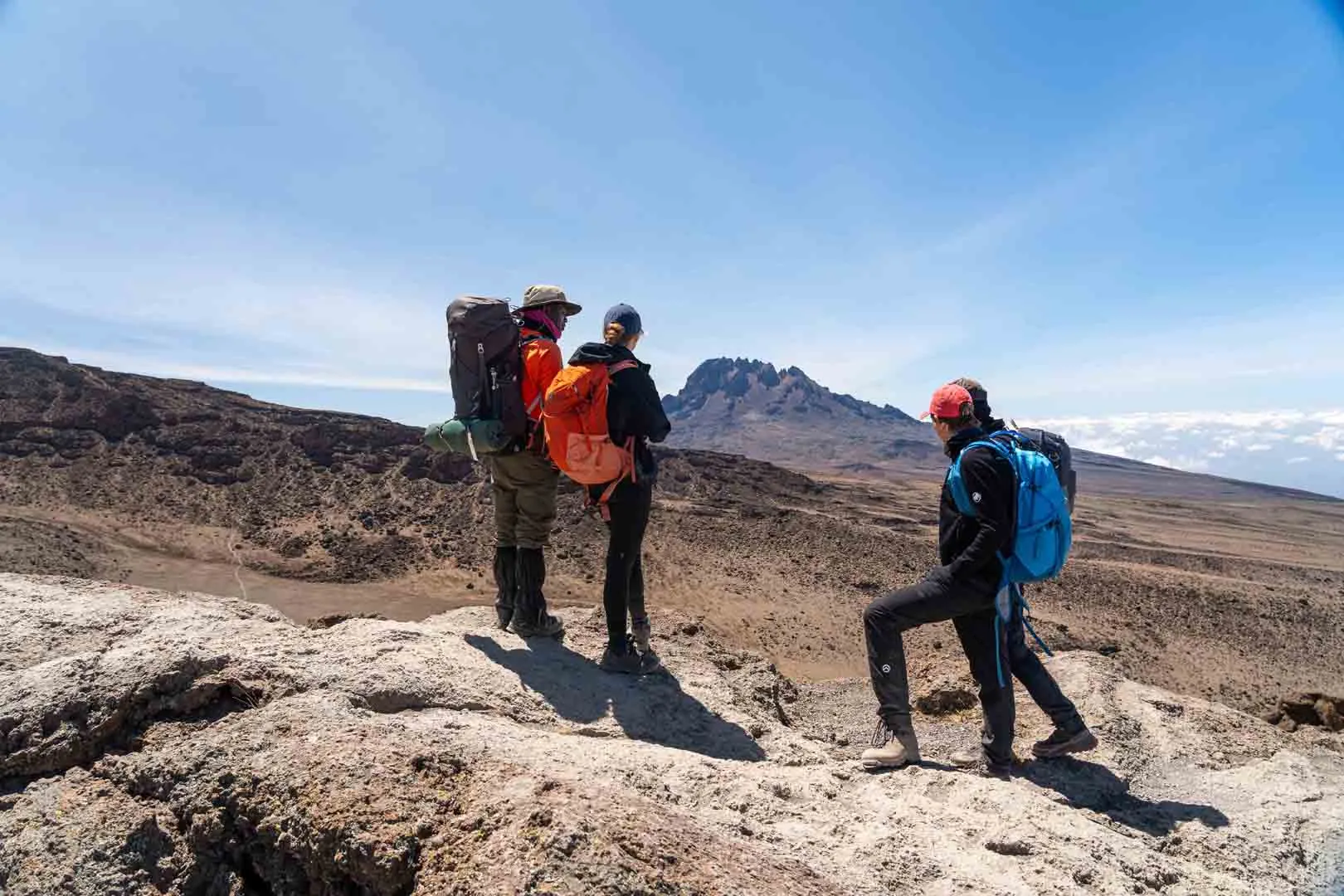
You do not normally need previous technical mountaineering experience to climb Kilimanjaro’s standard trekking routes. TANAPA describes Kilimanjaro as accessible to adults of normal health and fitness without specialist climbing equipment, while emphasizing appropriate clothing, footwear, patience, determination, and acclimatization.
However, the fact that technical climbing experience is not normally required does not mean that you can trek independently.
Kilimanjaro is a high-altitude trek rather than a technical climbing expedition on its standard routes, but the altitude remains a serious challenge. A guide helps you manage the mountain environment and recognize situations where continuing may not be appropriate.
Is Kilimanjaro Difficult Without a Guide?
From a practical perspective, attempting to manage a Kilimanjaro expedition without professional guidance would be significantly more complicated even if regulations were not an issue.
You would need to understand route logistics, park procedures, campsites, weather conditions, altitude progression, emergency procedures, food and water requirements, and mountain transportation arrangements.
You would also need to coordinate the permits and operational requirements associated with entering and climbing within the national park.
For someone visiting Tanzania for the first time, handling all these responsibilities independently would add unnecessary complexity to what should be an enjoyable adventure.
The Importance of Acclimatization
One of the most important reasons to climb with an experienced guide is proper altitude management.
Kilimanjaro rises from approximately 1,800 metres around the surrounding region to 5,895 metres at Uhuru Peak. Your body needs time to adjust as you gain altitude.
A guide cannot prevent altitude sickness, and no itinerary can guarantee that every climber will successfully acclimatize. However, experienced guides can monitor climbers, encourage an appropriate pace, and recognize concerning symptoms that may require a change in the itinerary or descent.
This is one reason longer itineraries are often recommended. TANAPA itself advises climbers to add days for acclimatization and to maintain a slow pace.
At Trek and Hide Adventures, we believe that reaching the summit should never come at the expense of safety. A successful Kilimanjaro expedition is one in which climbers make sensible decisions throughout the journey.
What Happens If You Become Sick on Kilimanjaro?
A major advantage of having an experienced guide is that you are not alone if something goes wrong.
A climber may experience altitude-related symptoms, exhaustion, dehydration, an injury, or another medical problem during the trek. The mountain team can assess the situation and determine whether the climber should rest, descend, or receive additional assistance.
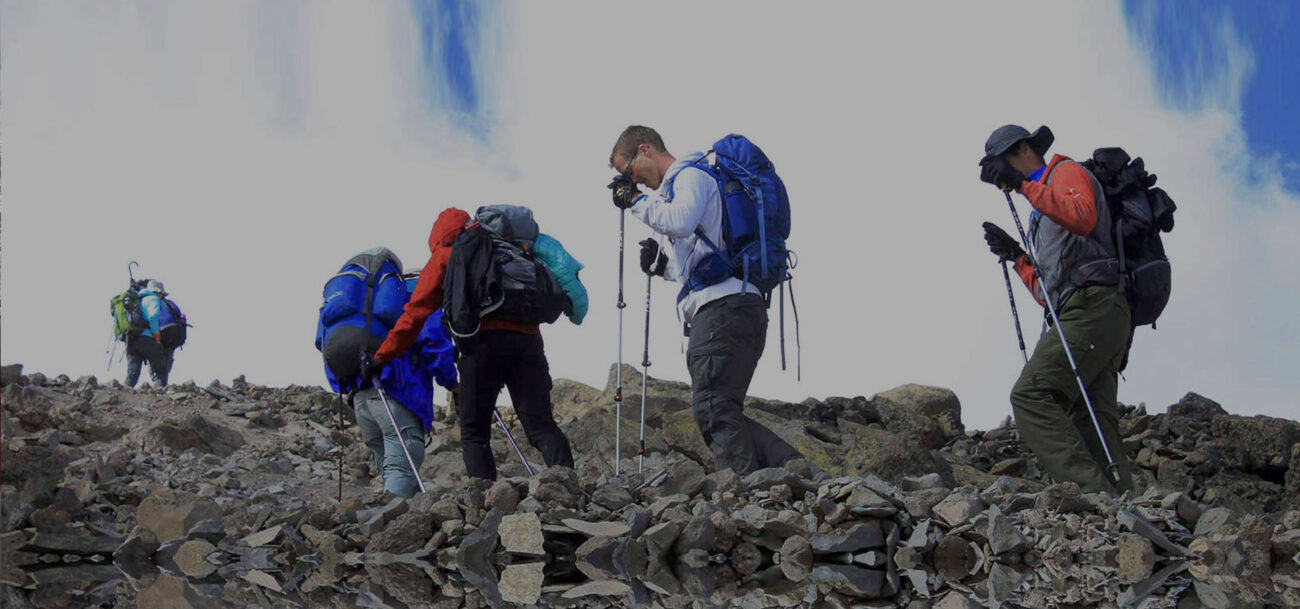
The appropriate response depends on the seriousness of the situation and the climber’s location. In more serious cases, the tour operator can coordinate with the relevant park and emergency support systems.
TANAPA maintains safety and emergency procedures for visitors to its national parks, while its Kilimanjaro-related guidance emphasizes the importance of trained operators and guides.
Can You Choose Your Own Kilimanjaro Guide?
If you are booking a private Kilimanjaro expedition, you can generally discuss your preferences with your tour operator, including the type of experience you want from your guide.
Some travelers prefer guides who have extensive mountain experience, while others may value multilingual communication, photography knowledge, cultural knowledge, or a particular route background.
The important point is to ensure that the guide is properly qualified and working through a legitimate, registered operation.
TANAPA’s regulations require tour operators to employ trained guides who meet the relevant park requirements and hold valid identification issued by the park.
Can You Bring Your Own Guide From Another Country?
Travelers sometimes ask whether they can bring a friend, professional mountaineer, or personal guide from their home country and climb with them instead of using a Tanzanian mountain operator.
This should not be treated as a substitute for the required local guiding and operator arrangements.
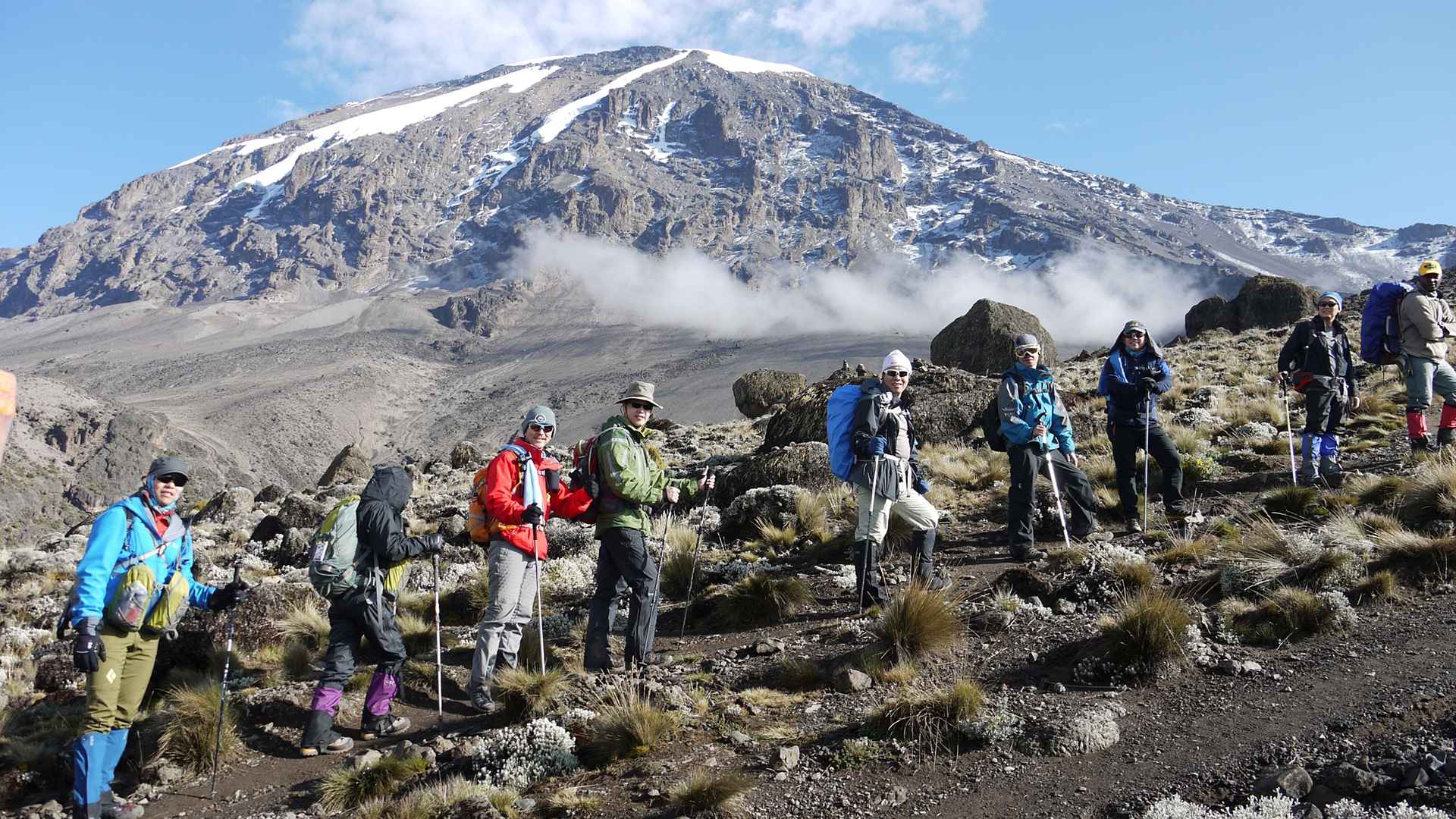
Kilimanjaro is managed within Tanzania’s national park system, and operators and guides must comply with applicable Tanzanian regulations. TANAPA specifically recommends using a reputable registered local tour operator employing trained guides familiar with current mountain conditions.
If you have a particular guide or specialist you would like to accompany you, discuss the possibility with a properly registered Tanzanian operator before making arrangements.
Why Choose a Local Kilimanjaro Guide?
Working with a local guide offers advantages that go beyond route navigation.
Local guides spend significant time on Kilimanjaro and develop practical knowledge of the mountain’s different routes, weather patterns, camps, terrain, and operational procedures.
They also provide valuable cultural insight into Tanzania. Your Kilimanjaro trek is not simply a physical journey—it is an opportunity to learn about the communities, history, traditions, and natural environment surrounding the mountain.
At Trek and Hide Adventures, our mountain experiences are built around professional local guiding and responsible tourism.
Is a Guided Kilimanjaro Trek More Expensive?
A guided Kilimanjaro expedition naturally costs more than simply imagining the price of walking up the mountain independently.
However, the comparison is not really between “guided” and “unguided” hiking because unguided trekking is not a legal option for the standard climb.
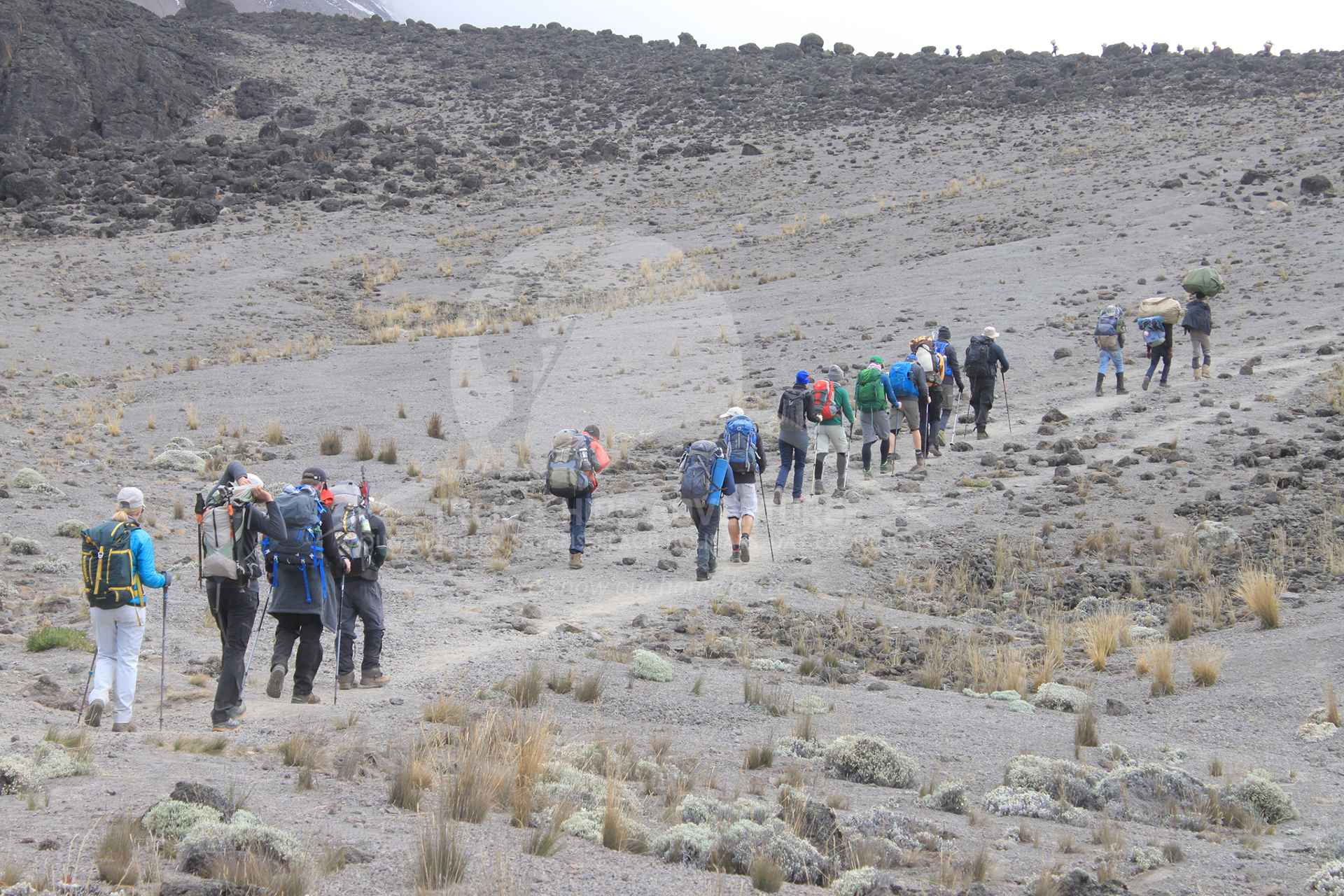
Your Kilimanjaro package generally involves much more than the guide. Depending on the itinerary and package, costs can include park fees, camping or hut accommodation, meals, mountain crew, permits, transportation, equipment support, and other operational expenses.
TANAPA publishes park tariffs for Kilimanjaro and other national parks, and fees are subject to the applicable tariff schedule.
When comparing different Kilimanjaro companies, travelers should therefore look beyond the advertised price and understand exactly what is included.
What About Porter Support?
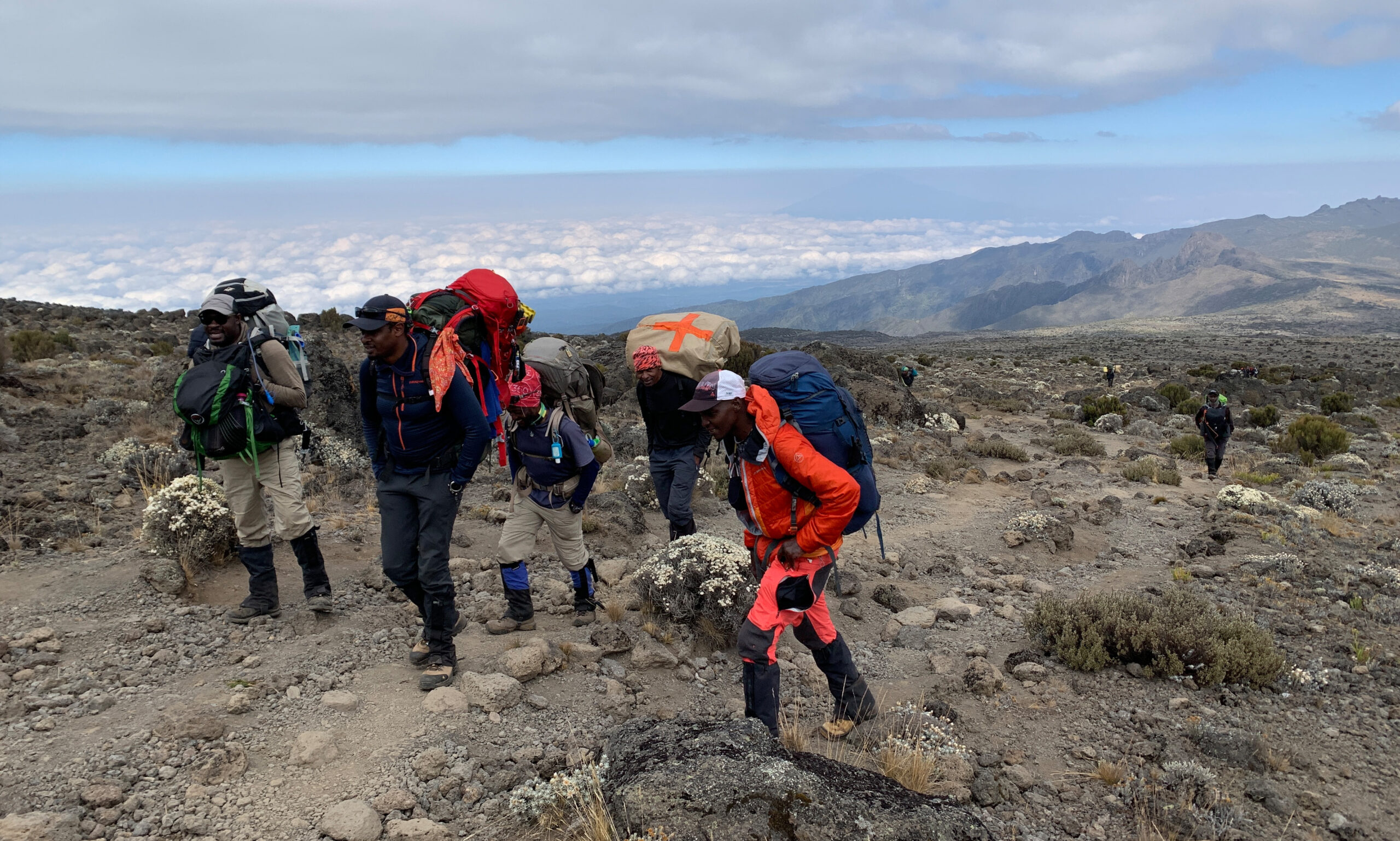
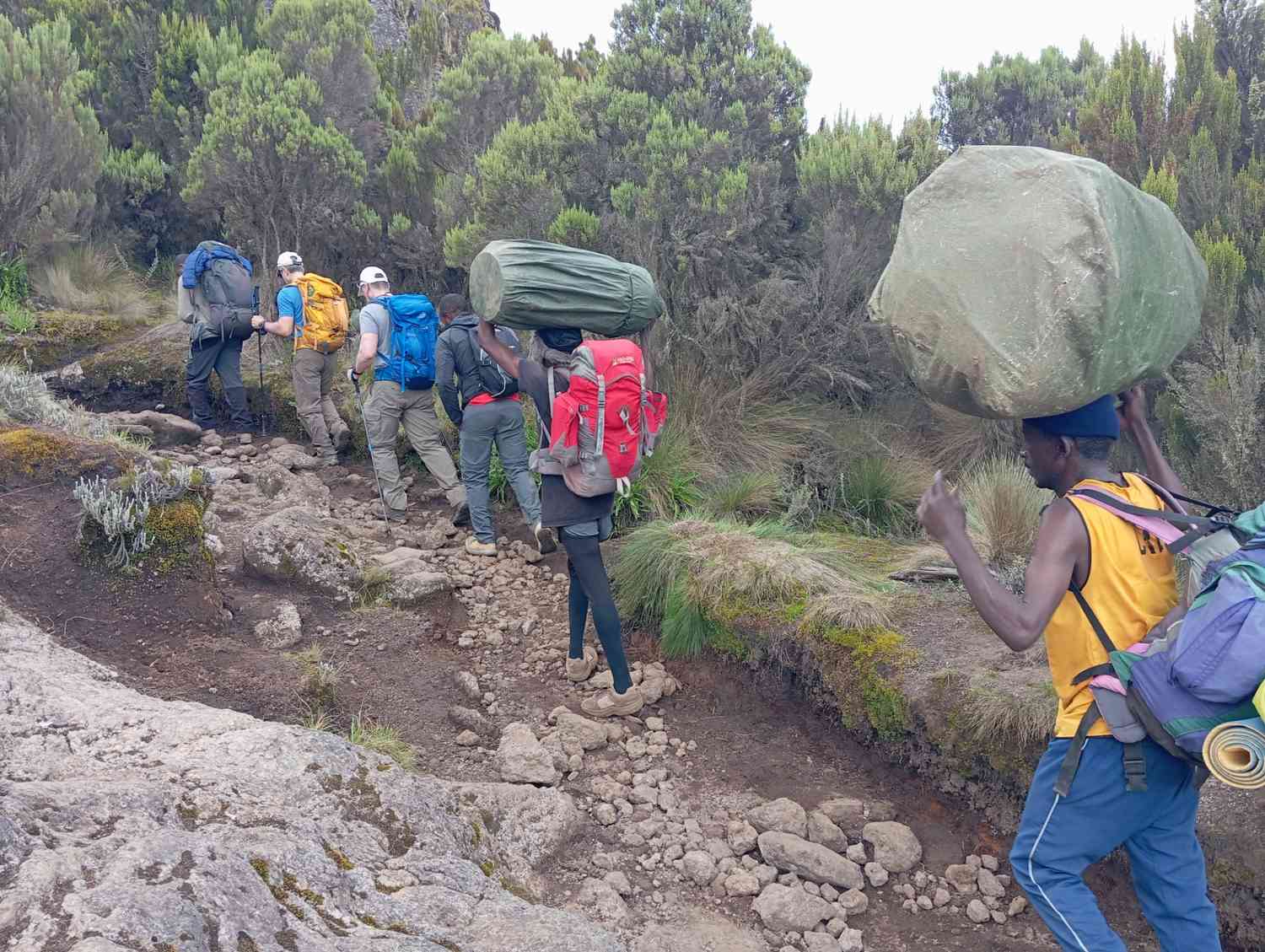
Porters play an important role on many Kilimanjaro expeditions by carrying camping equipment, food, luggage, and other supplies.
This allows climbers to concentrate on walking and acclimatizing rather than carrying the full logistical burden of the expedition.
Responsible travelers should also pay attention to how a tour operator treats its mountain crew. Ethical porter treatment, appropriate working conditions, fair practices, and respect for the people who make the trek possible are important considerations when choosing a Kilimanjaro company.
Which Kilimanjaro Route Is Best for First-Time Climbers?
The best route depends on your fitness, available time, preferred scenery, budget, and acclimatization needs.
The Lemosho Route is popular among travelers looking for a scenic approach and a longer itinerary with good opportunities for acclimatization.
The Machame Route is another popular option, known for dramatic scenery and a more demanding trekking profile.
The Marangu Route is different because it uses mountain huts rather than tents and is sometimes chosen by travelers who prefer hut accommodation.
The Rongai Route approaches Kilimanjaro from the northern side and offers a different perspective of the mountain.
The Northern Circuit is the longest established route and provides an extended itinerary with considerable time for acclimatization.
Rather than selecting a route solely because it is advertised as cheap or fast, it is better to choose an itinerary that matches your physical ability and gives you enough time to adjust to altitude.
How Many Days Should You Spend Climbing Kilimanjaro?
Kilimanjaro routes range from shorter itineraries to extended climbs of a week or more. TANAPA’s published Kilimanjaro information notes that there are at least seven routes ranging from approximately five to nine days or longer and advises travelers to use reputable registered local operators with trained guides.
Although shorter climbs may appear attractive because they cost less and require less time away from home, adding days can provide valuable acclimatization opportunities.
For many first-time climbers, a 7- to 8-day itinerary can offer a better balance between physical adaptation, scenery, and summit preparation than the shortest possible route.
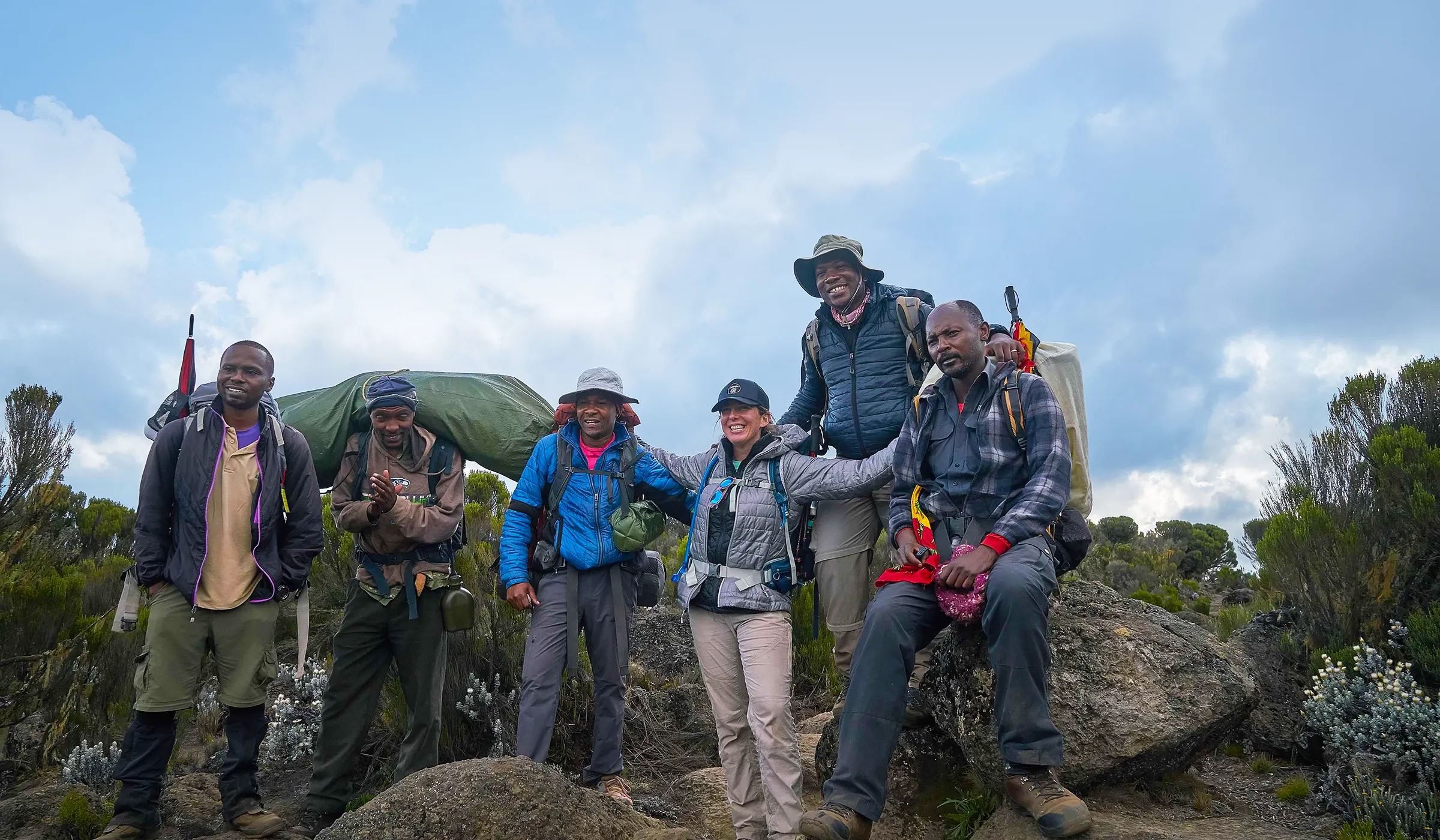
What Should You Look for in a Kilimanjaro Guide?
Choosing the right guide is one of the most important decisions you can make.
Look for an operator that is transparent about its mountain team, safety procedures, itinerary, inclusions, and emergency arrangements. The company should be able to explain who will guide you and how the team manages altitude, weather, and emergencies.
Reviews can also provide useful insight, but travelers should consider the quality and consistency of feedback rather than relying on a single review or an unusually low price.
A good guide should communicate clearly, monitor the group, encourage an appropriate pace, and be willing to prioritize safety over summit pressure.
Why Choose Trek and Hide Adventures for Your Kilimanjaro Climb?
At Trek and Hide Adventures, we understand that climbing Mount Kilimanjaro is about much more than reaching Uhuru Peak.
Our experienced local mountain team supports climbers throughout the expedition, from route preparation and daily trekking to acclimatization, summit preparation, and descent.
We design itineraries with appropriate pacing and encourage climbers to follow the principle of “pole pole”—slowly, slowly—which is particularly important at high altitude.
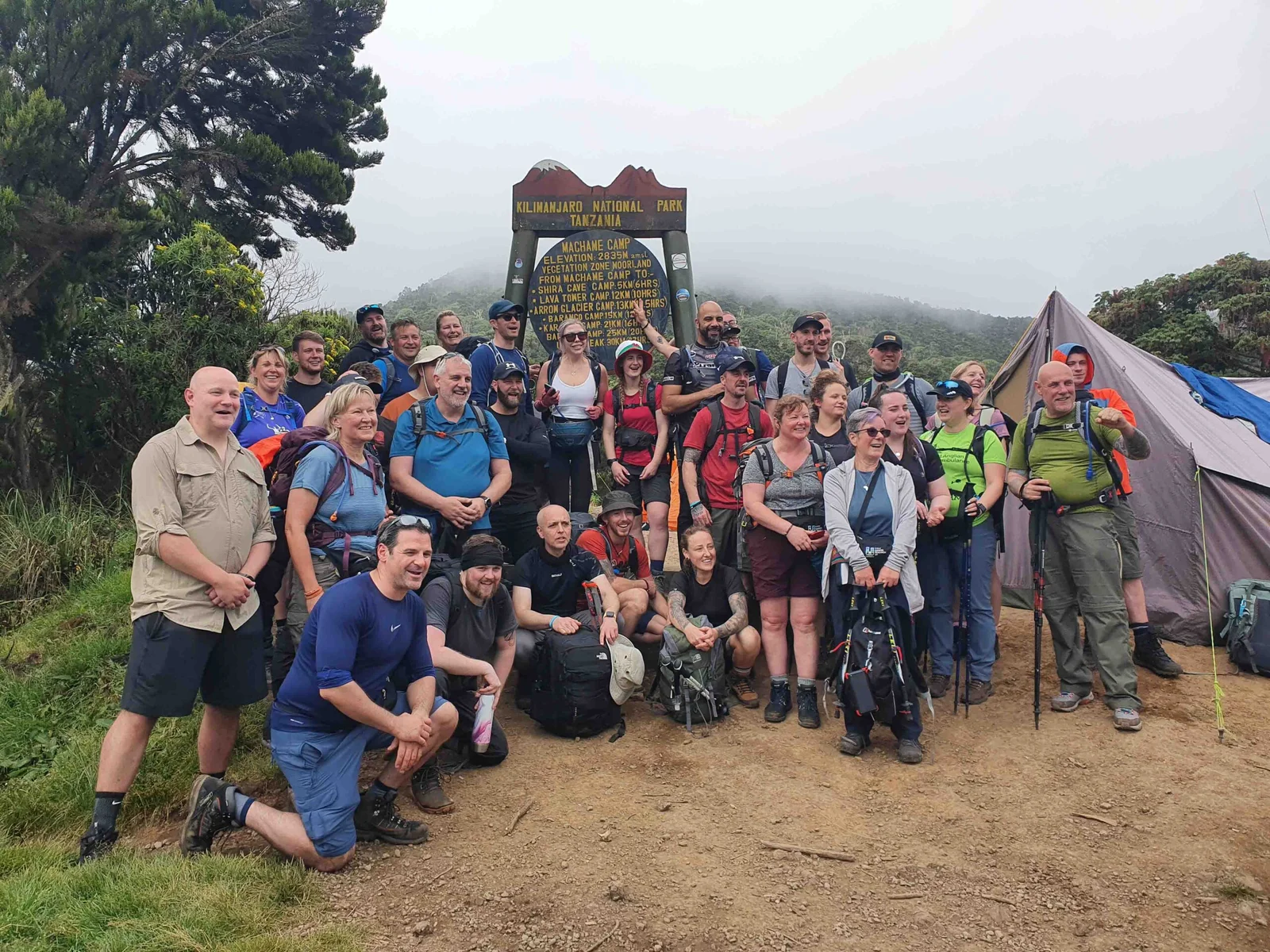
Our goal is to provide a safe, well-organized, and memorable Kilimanjaro experience while respecting Tanzania’s national park regulations and the mountain environment.
Final Thoughts: Can You Climb Kilimanjaro Without a Guide?
So, can you climb Kilimanjaro without a guide?
For the standard climb within Kilimanjaro National Park, no. Current Tanzanian national park regulations require climbing groups to be guided, and TANAPA advises prospective climbers to use reputable registered local tour operators with trained guides.
More importantly, having a professional guide is not simply a bureaucratic requirement. Kilimanjaro is a high-altitude mountain where weather, terrain, fatigue, and altitude can create genuine challenges.
An experienced local guide provides route knowledge, altitude monitoring, communication, safety support, and practical assistance throughout the trek. Rather than viewing the guide as an additional cost or restriction, consider your mountain guide an essential part of the Kilimanjaro experience.
With Trek and Hide Adventures, you can focus on the adventure, the landscapes, the people, and the incredible achievement of standing on the Roof of Africa while our experienced mountain team takes care of the essential logistics and guiding.