
Mkomazi National Park Safari Guide: Game Drives, Walking Safaris, Cycling & How Many Days to Stay
Mkomazi National Park Safari Guide covering game drives, walking safaris, cycling options, wildlife, conservation experiences, best time to visit and ideal safari duration.
When travelers think about a Tanzania safari, destinations such as Serengeti National Park, Ngorongoro Crater and Tarangire National Park often come first. Yet beyond these famous safari destinations lies a quieter and remarkably distinctive wilderness experience: Mkomazi National Park.
Located in northeastern Tanzania near the Kenyan border and framed by the Pare and Usambara mountain ranges, Mkomazi offers a different style of safari. Instead of large concentrations of safari vehicles and the intense wildlife traffic sometimes experienced in more famous parks, Mkomazi is known for its spacious landscapes, semi-arid scenery, unusual antelope species, conservation importance and opportunities to experience the wilderness through activities beyond the traditional game drive.
TANAPA describes Mkomazi as a destination where visitors can enjoy wildlife in a relatively secluded setting, with opportunities to see elephants, buffalo, giraffes, plains game, big cats and distinctive species such as fringe-eared oryx, gerenuk and lesser kudu. The park is also associated with conservation programs for black rhino and African wild dogs.
For travelers looking for a quieter Tanzania safari, a short wildlife escape after climbing Kilimanjaro, or an adventure that combines vehicle-based game viewing with walking and other experiences, Mkomazi deserves serious consideration.
Where Is Mkomazi National Park?
Mkomazi National Park is situated in northeastern Tanzania, close to the Kenyan border and west of the town of Same. Its location makes it particularly interesting for travelers exploring northern Tanzania, Kilimanjaro and the northeastern part of the country.
The park can be reached by road from the direction of Moshi, Arusha or Dar es Salaam, making it a practical addition to certain Tanzania itineraries. The Zange entrance is close to Same, while other access points can be arranged depending on the itinerary and park regulations. Tanzania’s tourism information places the park approximately 120 kilometres from Moshi and about 142 kilometres from Kilimanjaro International Airport.
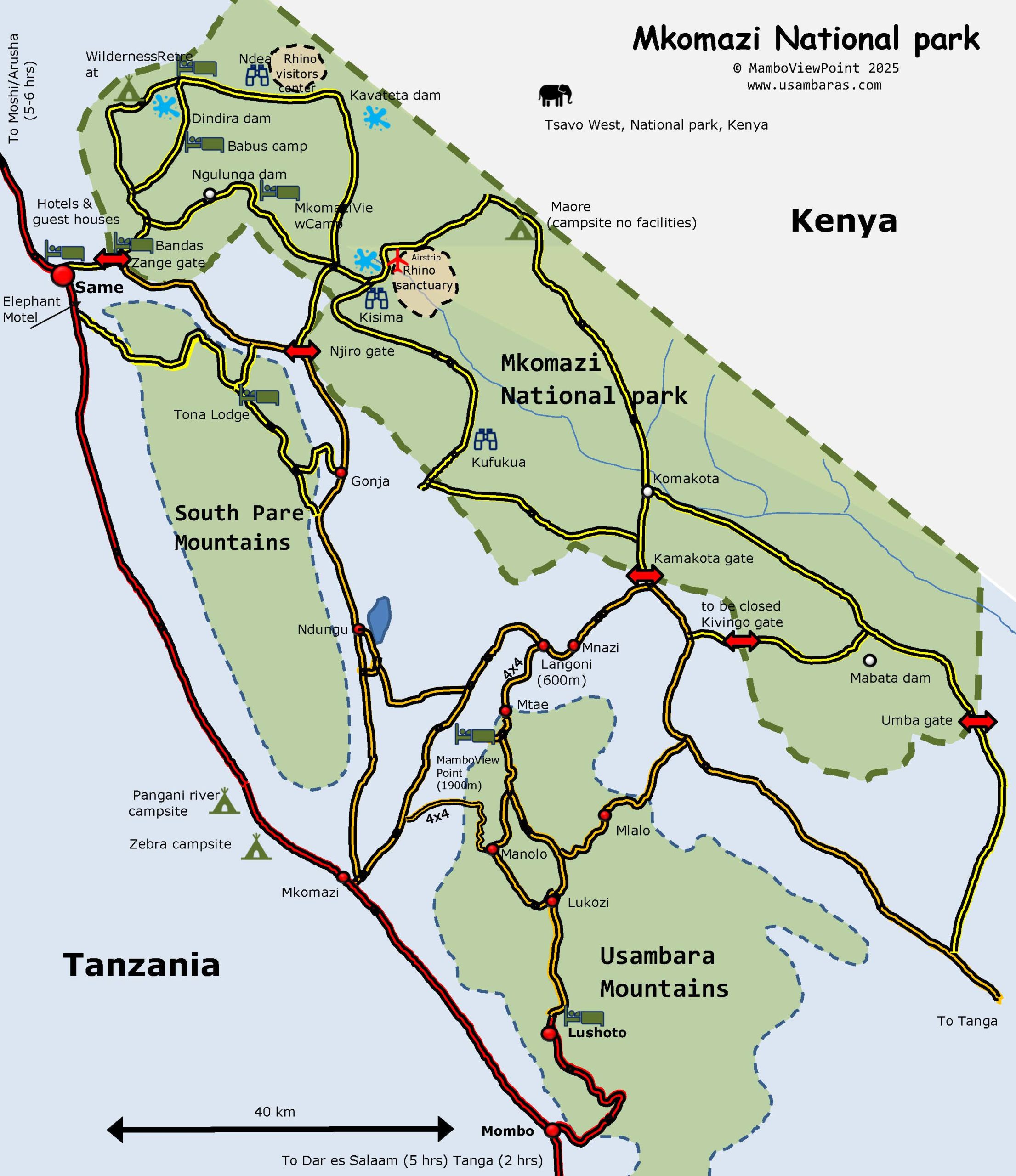
Its location also creates an interesting opportunity to combine Mkomazi with Mount Kilimanjaro, Moshi, the Pare Mountains, Usambara Mountains or other northern Tanzania attractions.
What Makes Mkomazi National Park Special?
Mkomazi is not simply a smaller version of Serengeti. It offers a completely different atmosphere.
The landscape is characterized by semi-arid savannah, acacia and Commiphora woodland, thorn bush and distant mountain scenery. The park forms part of the southern edge of the broader Sahelian ecological zone, giving it a distinctive appearance compared with the greener landscapes found in some other northern Tanzania parks.
One of the greatest attractions is the feeling of space. TANAPA highlights Mkomazi’s relative distance from the busiest safari circuits, allowing visitors to experience wildlife viewing with a greater sense of solitude.
This makes Mkomazi particularly appealing to travelers who are less interested in ticking off a list of famous parks and more interested in experiencing a quieter and less conventional side of Tanzania.
What Wildlife Can You See in Mkomazi National Park?
Mkomazi supports a fascinating range of wildlife adapted to its dry environment.
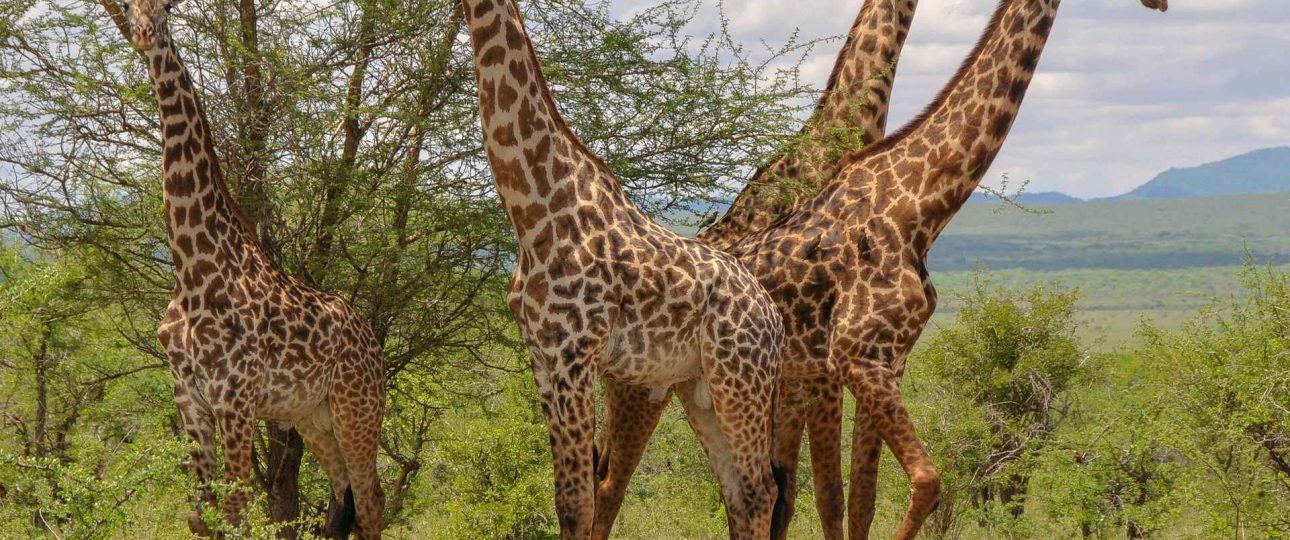
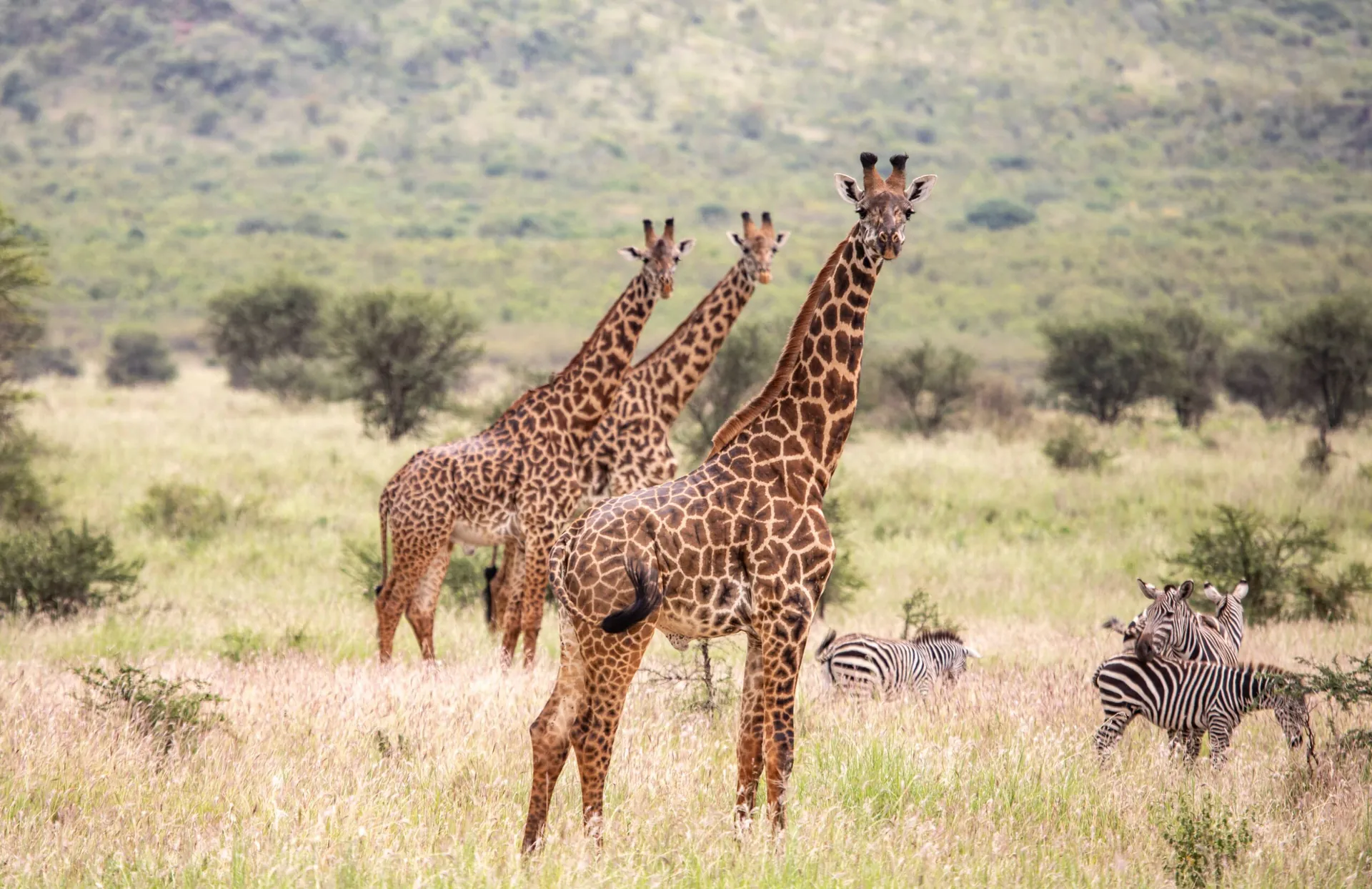
Visitors may encounter elephants, buffalo, giraffes, zebras, eland, hartebeest, warthogs and other plains species, as well as predators including lions and other carnivores. The park is especially interesting for travelers hoping to see species that are less commonly encountered in Tanzania’s better-known safari destinations.
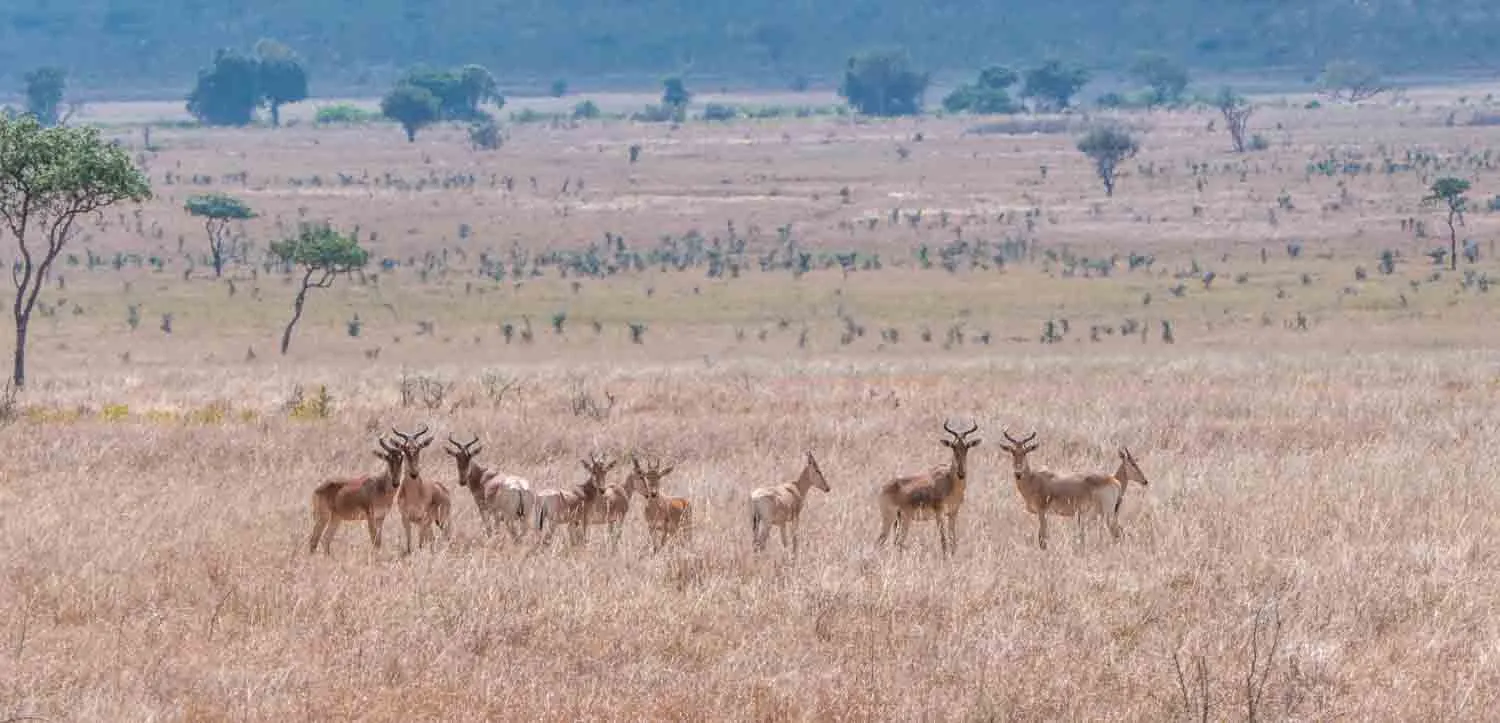
Among the park’s distinctive wildlife are fringe-eared oryx, gerenuk and lesser kudu. Gerenuk are particularly fascinating because of their long necks and unusual feeding behavior, sometimes standing on their hind legs to browse from higher vegetation.
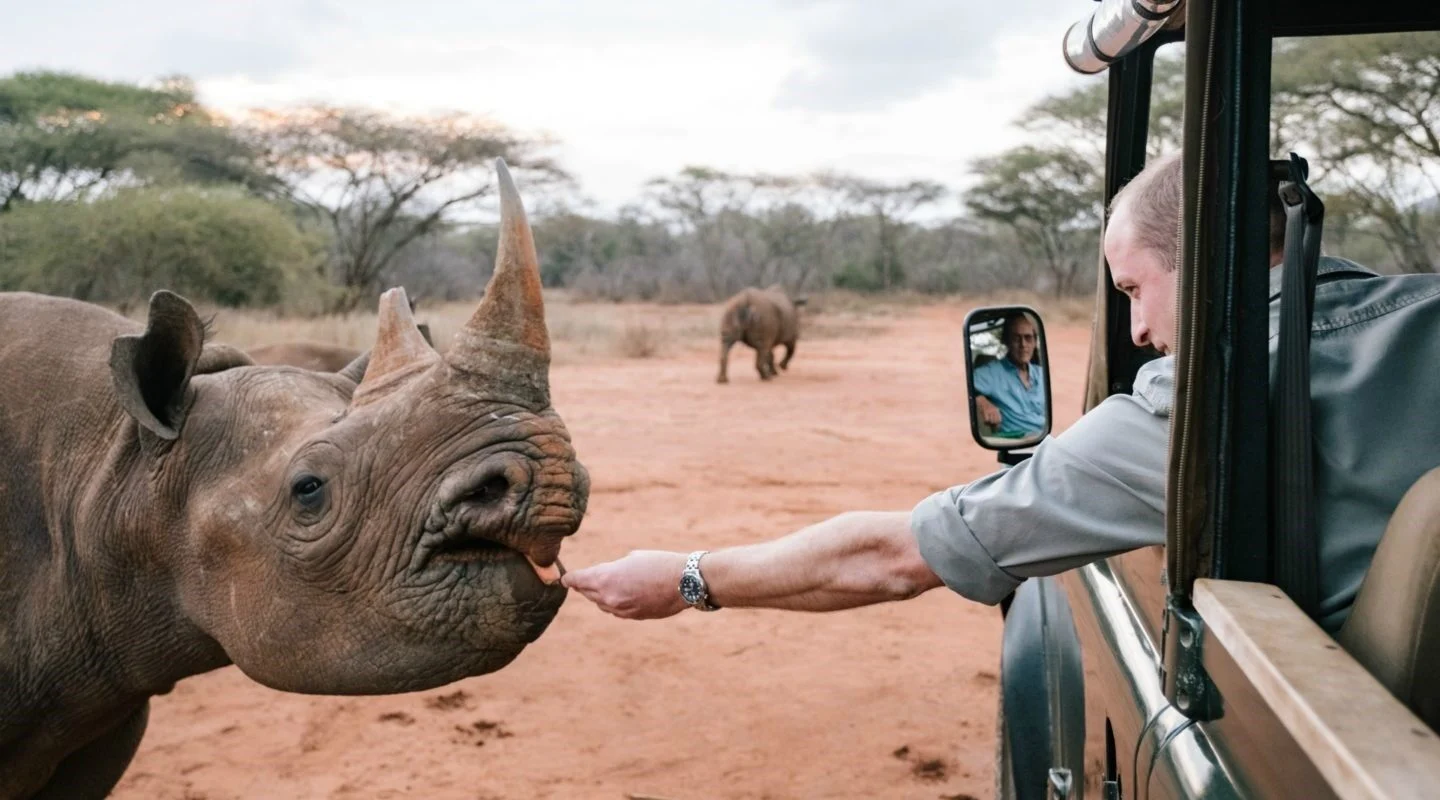
Mkomazi is also important for the conservation of black rhinoceros and African wild dogs. TANAPA describes reintroduction and conservation initiatives involving these highly threatened species.
Wildlife sightings are naturally unpredictable, however, and visitors should choose Mkomazi for its overall wilderness and conservation experience rather than expecting guaranteed sightings of a particular species.
The Best Way to Experience Mkomazi: Game Drive Safari
For most visitors, the game drive is the main way to explore Mkomazi National Park.
A safari vehicle allows you to cover a much larger area than would be possible on foot and provides opportunities to explore different habitats while searching for wildlife. TANAPA identifies vehicle-based game viewing as the park’s main activity.
A Mkomazi game drive can feel very different from a typical Serengeti safari. Instead of focusing exclusively on large predator concentrations, you may spend time appreciating unusual antelope, elephants, giraffes, birds, landscapes and the relationship between wildlife and the dry environment.
The scenery itself becomes part of the experience. Acacia-covered plains, baobabs, distant mountain ranges and expansive skies create beautiful opportunities for photography.
What Is a Mkomazi Walking Safari Like?
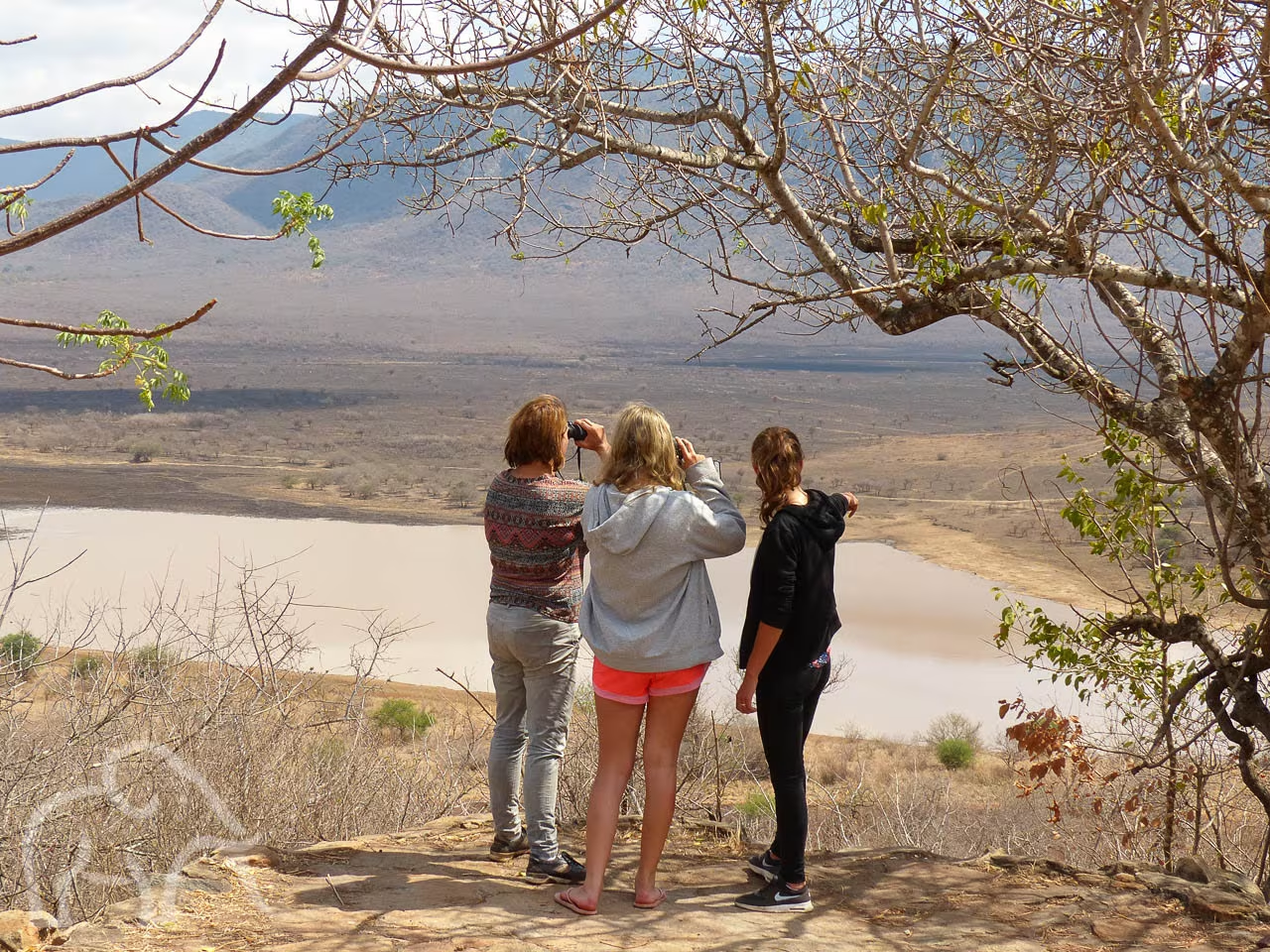
One of the most attractive features of Mkomazi is the opportunity to leave the safari vehicle and experience the landscape on foot.
A walking safari changes the way you experience the wilderness. Instead of concentrating primarily on larger animals, walking allows you to pay attention to animal tracks, insects, birds, plants, sounds and smaller signs of wildlife that can easily be overlooked from a vehicle.
TANAPA specifically promotes walking safaris and hill-hiking in Mkomazi, describing them as opportunities to step out of the vehicle and experience the environment more intimately.
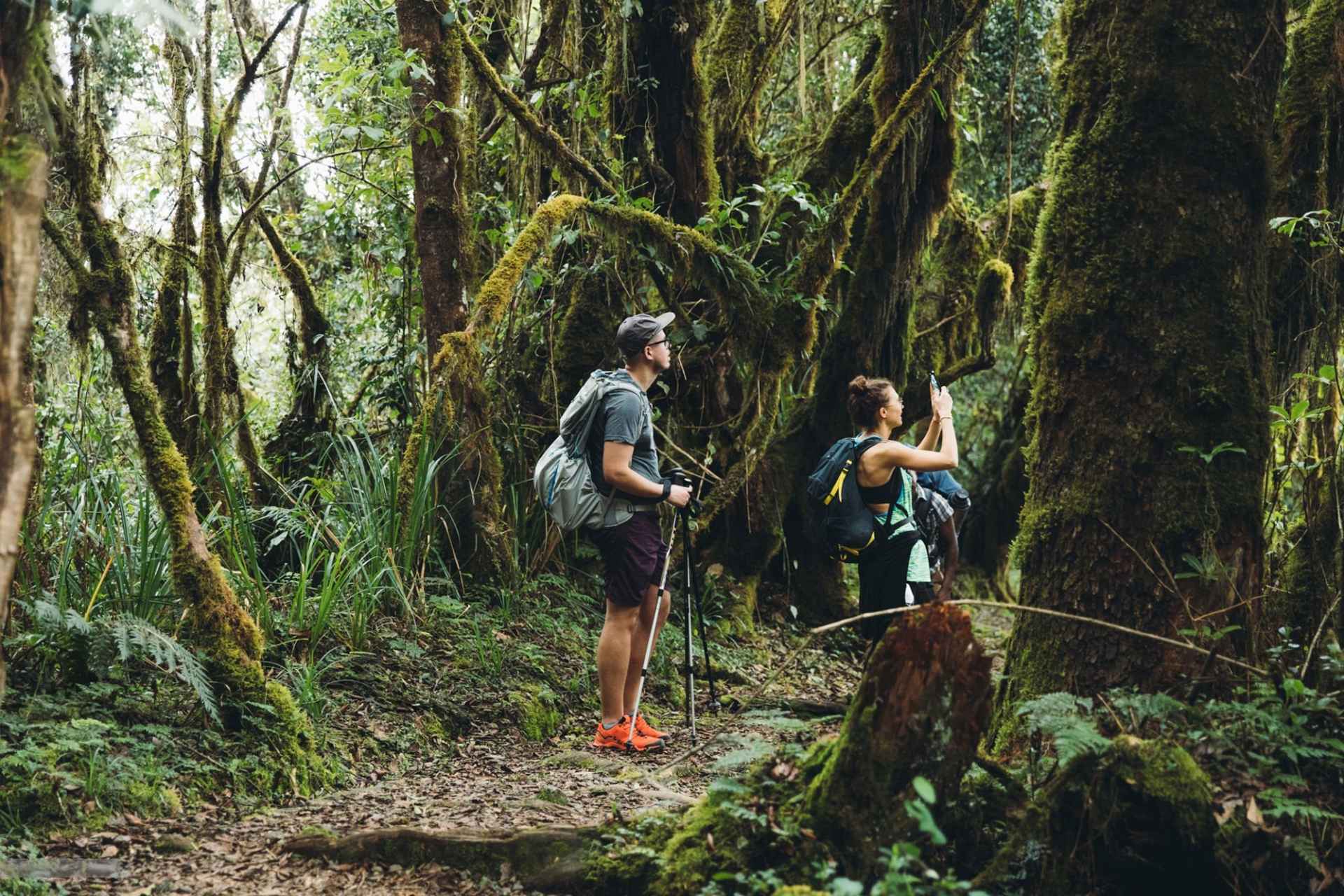
Walking safaris are conducted under specific park rules and with appropriate guiding and safety arrangements. TANAPA’s current walking-safari guidelines specify operating hours and group-size requirements, demonstrating that this is a regulated activity rather than something visitors should attempt independently.
For Trek and Hide Adventures, this makes a walking safari an excellent option for travelers who want their Mkomazi experience to be more immersive than a conventional game drive.
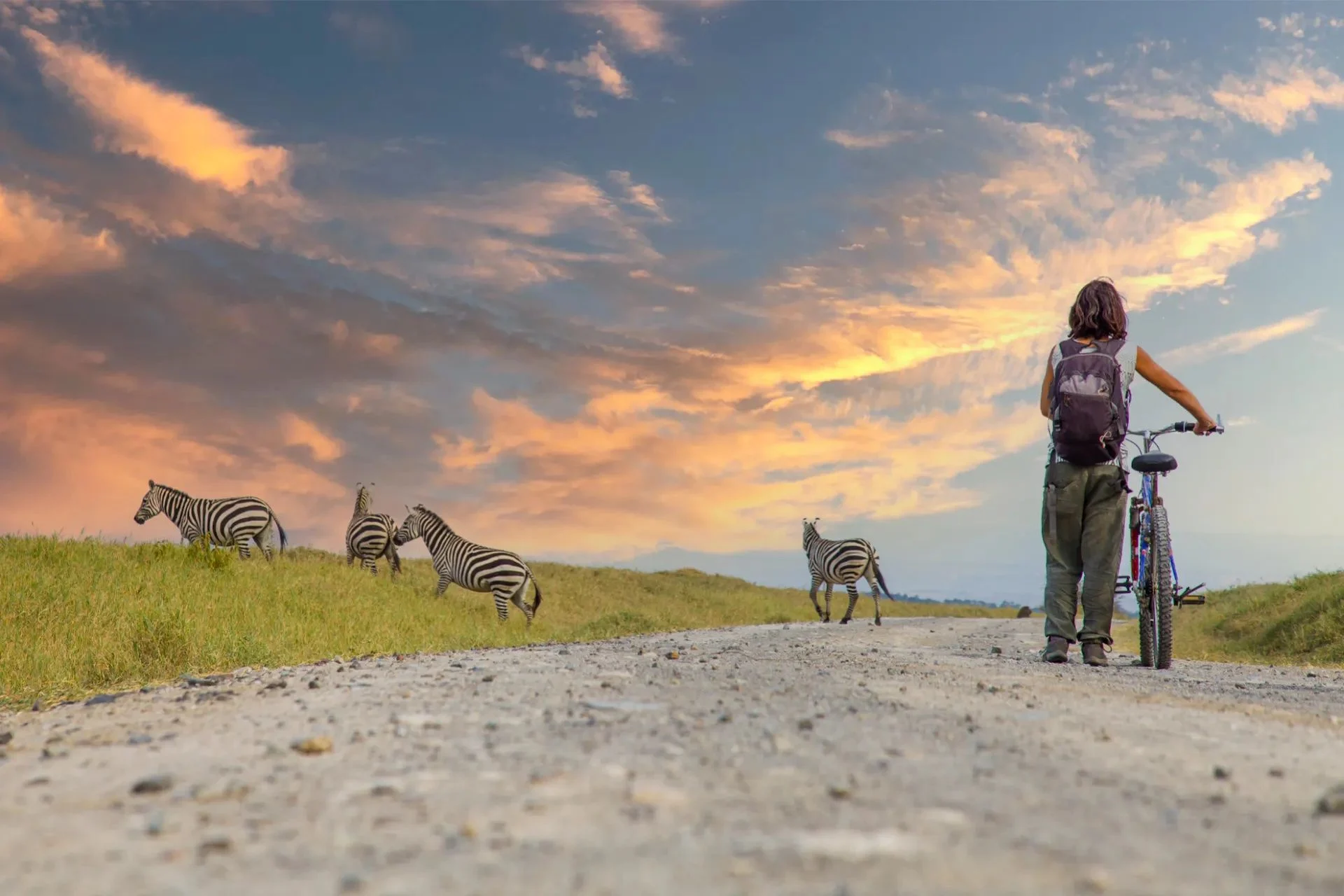
Is Cycling Possible in Mkomazi National Park?
Cycling is an increasingly popular way for travelers to explore Tanzania’s landscapes, so it is natural to ask whether you can enjoy a cycling safari in Mkomazi.
Here, it is important to distinguish between cycling in the broader Mkomazi region and cycling inside the national park.
Current TANAPA materials identify game drives, walking safaris, hill-hiking and night game viewing among Mkomazi’s tourism activities, but I could not verify cycling as a standard, currently listed activity inside the national park.
Therefore, Trek and Hide Adventures should not market cycling inside Mkomazi National Park as a guaranteed park activity without confirming the current permissions and arrangements with park management.
However, cycling can potentially be incorporated around the wider Mkomazi and Same area, depending on the route, local community arrangements, road conditions, guide availability and applicable permissions.
This can create an exciting combination for active travelers: a guided cycling experience outside the park followed by a conventional game drive or walking safari inside Mkomazi.
For cyclists, this approach can provide a more responsible and flexible way to experience the landscapes around the park without misrepresenting cycling as an officially established in-park safari activity.
Mkomazi Rhino Conservation Experience
Mkomazi has an important conservation story, particularly concerning the black rhinoceros.
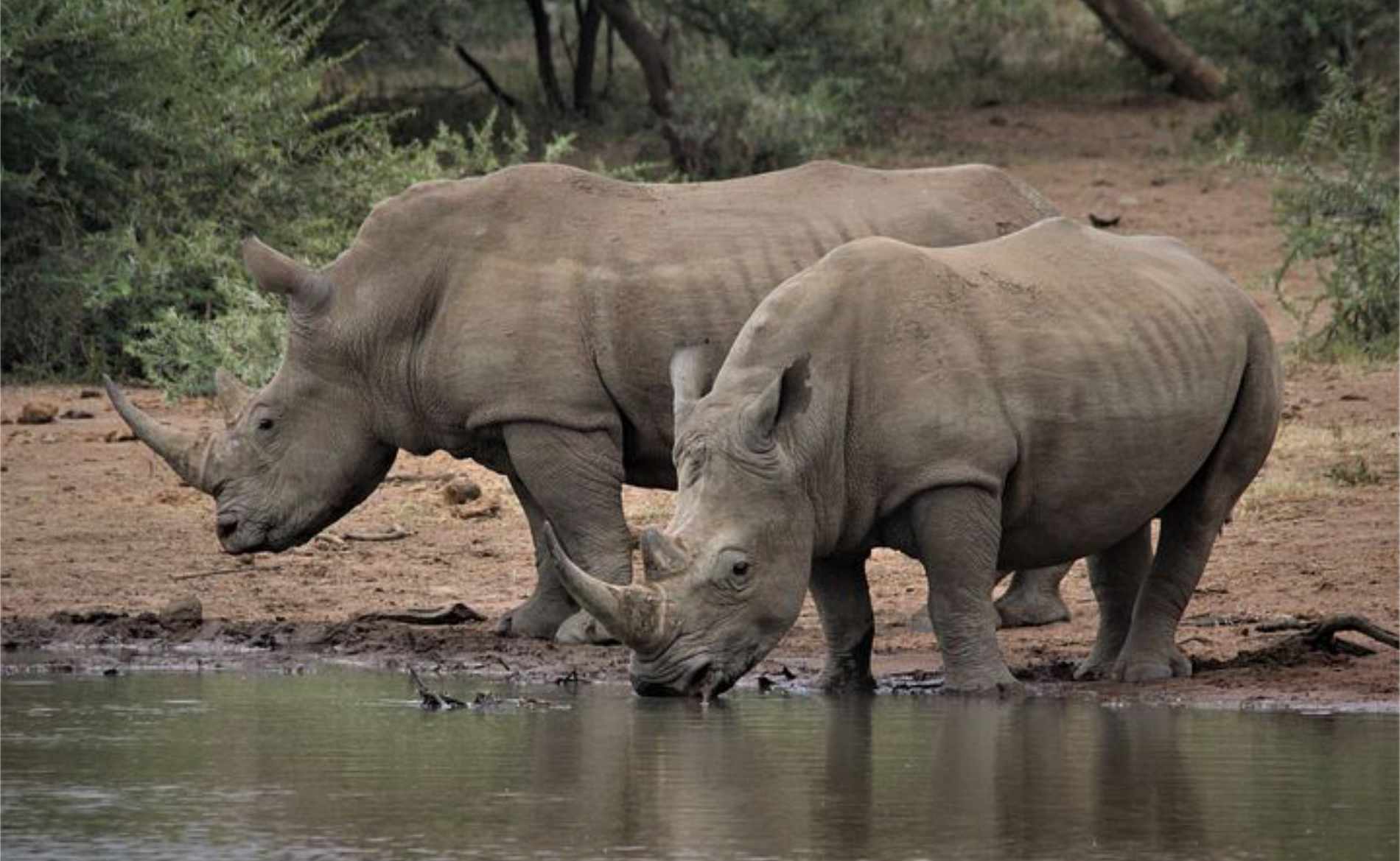
The park was historically significant habitat for black rhino, and conservation programs have supported their reintroduction and protection. TANAPA describes a rhino reintroduction scheme and opportunities for visitors to observe these remarkable animals under designated arrangements.
Rhino viewing is therefore not simply another wildlife sighting. It offers an opportunity to learn about conservation, habitat protection and the challenges involved in protecting one of Africa’s most threatened large mammals.
TANAPA’s visitor information has also described rhino viewing within a sanctuary as a specialized tourism product requiring separate arrangements and advance booking.
Because conservation programs and visitor arrangements can change, Trek and Hide Adventures should confirm availability and current procedures when booking this experience.
African Wild Dogs in Mkomazi
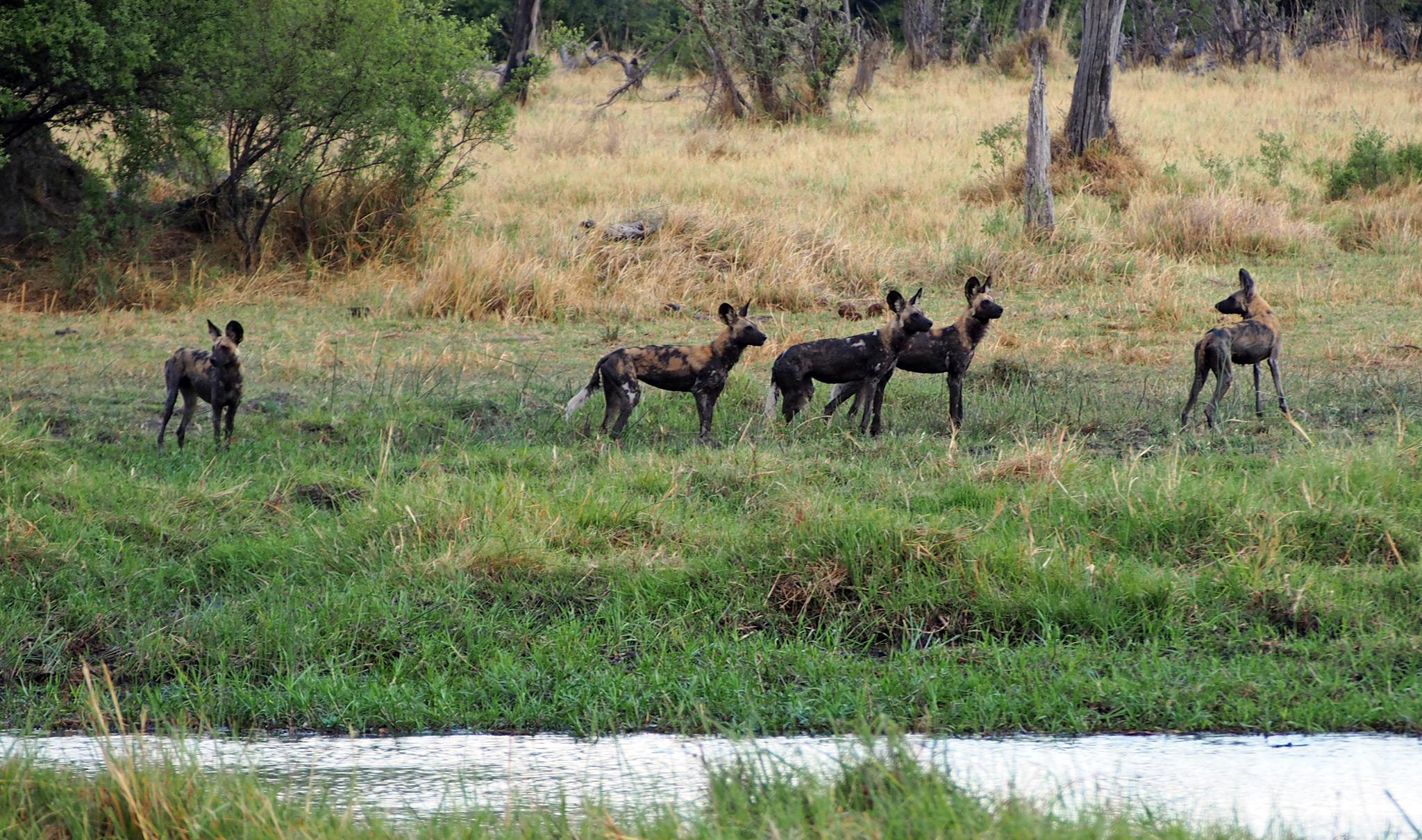
Another reason Mkomazi attracts wildlife enthusiasts is its connection with African wild dog conservation.
African wild dogs, sometimes called African painted dogs, are among Africa’s most endangered carnivores. Their social behavior, speed and distinctive coat patterns make them fascinating subjects for wildlife enthusiasts and photographers.
TANAPA identifies African wild dog reintroduction and conservation among Mkomazi’s important wildlife initiatives.
Seeing wild dogs in the park is never guaranteed, because they are free-ranging wild animals whose movements can be unpredictable. Nevertheless, knowing that Mkomazi contributes to their conservation makes a safari here particularly meaningful.
Bird Watching in Mkomazi National Park
Mkomazi is not only a destination for large mammals. It is also an excellent destination for bird enthusiasts.
TANAPA has described Mkomazi as a habitat for more than 450 bird species, including species associated with its distinctive semi-arid environment.
Birdwatching can be combined with game drives, walking safaris and hill-hiking. Walking is particularly rewarding for birders because moving quietly through the environment provides opportunities to notice calls, movement and species that might be overlooked during a vehicle-based safari.
For dedicated birdwatchers, Mkomazi can therefore become more than a short wildlife stop—it can be a specialized nature experience.
Can You Do a Night Safari in Mkomazi?
Night game viewing is another activity identified by TANAPA for Mkomazi.
A night safari provides a completely different perspective of the park. Many animals behave differently after sunset, while nocturnal species become active and the sounds of the bush become more prominent.
Instead of simply looking for large animals, a night experience can reveal the hidden side of the ecosystem—nocturnal mammals, insects, night birds and other creatures adapted to life after dark.
Because night activities are regulated and subject to park procedures, travelers should arrange them through an authorized operator and confirm current availability before traveling.
How Many Days Should You Spend in Mkomazi National Park?
For most travelers, one to two full days is an excellent amount of time for Mkomazi National Park.
A one-day Mkomazi safari can work very well for travelers who are combining the park with Kilimanjaro, Moshi, Arusha or another Tanzania destination. TANAPA has historically highlighted Mkomazi as an especially suitable wildlife option for Kilimanjaro climbers with only two or three days available for wildlife.
A two-day stay is better for travelers who want to combine different experiences rather than focusing exclusively on game drives.
For example, you could spend one day on a game drive and another incorporating a walking safari, hill-hiking, birdwatching or a conservation-focused experience, subject to current availability.
Travelers with a strong interest in photography, birds, conservation or slower-paced wilderness experiences may also choose to spend longer.
Suggested 1-Day Mkomazi Safari
A one-day visit is ideal for travelers with limited time.
You could depart from Moshi or another nearby location early in the morning, enter the park and spend the majority of the day exploring different wildlife areas by safari vehicle. The day could include a picnic lunch at a designated location followed by further game viewing before returning toward your overnight destination.
This option works particularly well as a Mkomazi safari extension after Kilimanjaro or as a short wildlife experience for travelers who cannot dedicate an entire week to the Northern Safari Circuit.
Suggested 2-Day Mkomazi Adventure
Two days allow you to experience the park at a more relaxed pace.
The first day could focus on a full game drive, exploring the park’s wildlife and distinctive landscapes. The second day could combine another game drive with a walking safari, hill-hiking, birdwatching or an available conservation experience.
The advantage of staying two days is not necessarily seeing twice as many animals. It is having more time to appreciate the park and experience it in different ways.
Is Mkomazi Worth Visiting for Just One Day?
Yes, particularly if you are already in the Kilimanjaro or Moshi area.
Mkomazi’s location makes it a practical short safari option, especially for travelers who want to add wildlife to a Kilimanjaro holiday without committing to a much longer safari itinerary.
However, travelers should understand what Mkomazi offers. If your primary goal is to see very high concentrations of lions, cheetahs and wildebeest, the Serengeti and other classic northern destinations may be more suitable.
If your priority is solitude, distinctive landscapes, rare antelope, conservation, walking and a less conventional safari experience, Mkomazi becomes much more compelling.
When Is the Best Time to Visit Mkomazi National Park?
The best time to visit depends on what you want to experience.
The dry season generally provides favorable conditions for wildlife viewing because vegetation becomes thinner and animals can concentrate around remaining water sources.
The greener months can offer a different experience, with refreshed landscapes, migratory birds and dramatic skies. TANAPA’s materials note distinctive green-season conditions in parts of the park, including periods around November/December and March/April.
For photographers, the green season can be particularly attractive because of the contrast between fresh vegetation and Mkomazi’s normally dry landscapes.
Rather than declaring one month universally “best,” Trek and Hide Adventures can help travelers select their dates according to wildlife, photography, birdwatching, weather and other interests.
How to Get to Mkomazi National Park
Mkomazi is accessible by road from several important northern Tanzania destinations.
For travelers based around Moshi, the park can be reached relatively easily by road. Same provides an important access point, while Zange is one of the main entrances.
The park is also accessible from the direction of Arusha and can be incorporated into itineraries traveling between northern Tanzania and the coast. Tanzania’s tourism information describes Mkomazi as a useful connection between northern safari destinations and coastal attractions.
Charter flights to the park’s Kisima airstrip are another option for travelers looking for a more private or time-efficient arrangement.
Where Can You Stay When Visiting Mkomazi?
Accommodation options around Mkomazi are more limited than in destinations such as Serengeti and Ngorongoro, which is part of the park’s appeal for travelers seeking a quieter experience.
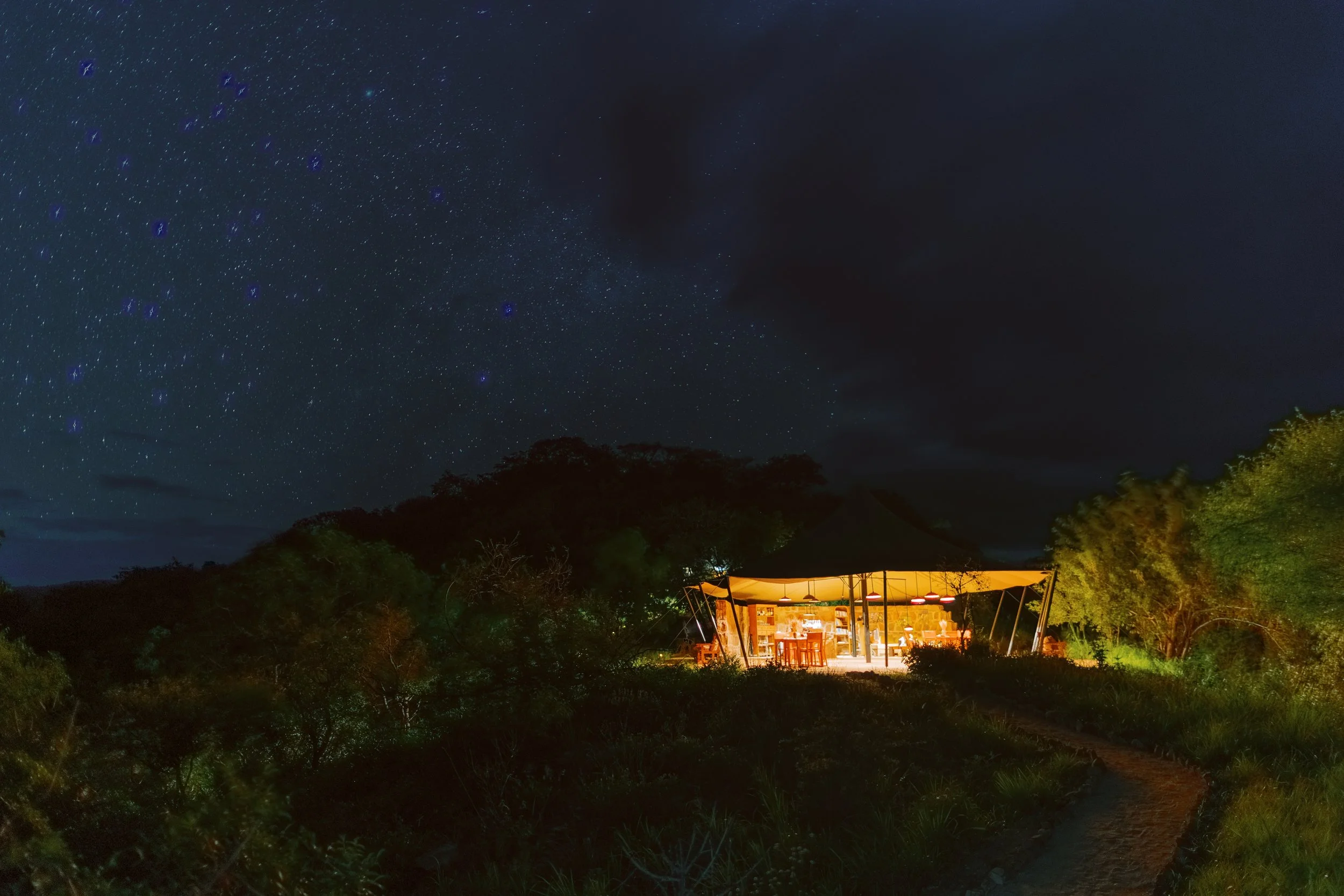
TANAPA has described public and special campsites within the park as well as a semi-permanent tented camp, while nearby Same has smaller hotels and guesthouses.
Because accommodation availability can change, travelers should arrange their overnight stay in advance, particularly during busy travel periods.
Trek and Hide Adventures can structure the itinerary around suitable accommodation inside or near the park depending on your budget, preferred comfort level and planned activities.
Mkomazi as a Kilimanjaro Safari Add-On
One of the strongest reasons to consider Mkomazi is its compatibility with a Kilimanjaro climbing holiday.
After spending several days hiking Mount Kilimanjaro, many travelers want a short wildlife experience before returning home. Mkomazi can provide this without requiring the same amount of time needed for a longer Serengeti safari.
TANAPA has specifically highlighted Mkomazi as an appropriate safari option for Kilimanjaro climbers with limited time.
This makes a combination such as Kilimanjaro + Mkomazi National Park particularly attractive for active travelers.
Mkomazi vs Serengeti: Which Is Better?
There is no universal winner because the two parks offer different experiences.
The Serengeti is the obvious choice for travelers seeking vast open plains, major predator sightings and the Great Wildebeest Migration.
Mkomazi is better suited to travelers who want a quieter environment, distinctive semi-arid scenery, unusual antelope species, conservation experiences and opportunities for walking and other activities.
Rather than treating Mkomazi as a replacement for Serengeti, think of it as a different style of Tanzania safari.
Mkomazi vs Tarangire: Which Should You Choose?
Tarangire is famous for elephants, baobabs and seasonal concentrations of wildlife along the Tarangire River.
Mkomazi offers a more rugged and semi-arid landscape, distinctive species such as gerenuk and oryx, and a particularly strong conservation identity.
If you are already planning a classic Northern Circuit safari, Tarangire may naturally fit into your route. If you want something less conventional or are traveling between Kilimanjaro and northeastern Tanzania, Mkomazi can be a fascinating alternative.
Is Mkomazi Suitable for Photographers?
Absolutely.
Mkomazi’s appeal for photographers goes beyond close-up animal portraits. The park offers opportunities to photograph wildlife within expansive landscapes, unusual antelope, elephants, giraffes, birds, mountain backdrops and dramatic skies.
The relatively low visitor density can also make the photographic experience feel less hurried.
For photographers who prefer environmental images showing animals within their surroundings rather than only tight portraits, Mkomazi can be especially rewarding.
Is Mkomazi Suitable for Families?
Mkomazi can be a rewarding family destination, particularly for families who enjoy nature and outdoor activities.
However, the itinerary should be designed around the ages of the children and the activities available at the time of travel. A family with older children may particularly enjoy combining a game drive with a guided walking or hiking experience where permitted.
Families should always follow park rules and the guidance of their safari operator, especially during activities conducted outside the safari vehicle.
Why Choose Trek and Hide Adventures for Your Mkomazi Safari?
At Trek and Hide Adventures, we believe Tanzania is much more than its most famous safari destinations.
Our goal is to help travelers discover experiences that match their interests, whether that means searching for wildlife from a safari vehicle, walking through the wilderness, photographing unusual species, learning about conservation or combining a short safari with a Kilimanjaro adventure.
We can design your Mkomazi experience around the amount of time you have available. A one-day wildlife escape, a two-day conservation-focused adventure or a longer northeastern Tanzania itinerary can all be tailored to your interests.
Because activities and park regulations can change, we also confirm the availability and requirements of specialized experiences such as walking, night viewing, rhino visits and any cycling arrangements before finalizing an itinerary.
Final Thoughts: Is Mkomazi National Park Worth Visiting?
Mkomazi National Park is one of Tanzania’s most interesting alternatives for travelers looking beyond the traditional safari circuit.
Its combination of semi-arid landscapes, unusual wildlife, black rhino and African wild dog conservation, birdlife, walking safaris, hill-hiking and relatively quiet wilderness gives it a character of its own. TANAPA identifies game drives as the park’s principal activity while also offering walking and night wildlife experiences.
For most visitors, one to two days is enough to experience Mkomazi, particularly when it is combined with Kilimanjaro, Moshi or another Tanzania destination.
And if you are looking for a more active experience, a combination of game drive + guided walking safari, or a carefully arranged cycling experience in the surrounding region, can turn a short visit into a much more memorable adventure.
Mkomazi may not be the first name that comes to mind when you think of a Tanzania safari—and that is precisely what makes it worth discovering.