
Responsible Tourism in Tanzania: Travel With Purpose and Leave a Positive Impact
Tanzania is a destination where travel can create a meaningful connection between people, wildlife, culture and nature. From the vast plains of the Serengeti and the slopes of Mount Kilimanjaro to the communities surrounding conservation areas and the islands of Zanzibar, tourism gives travelers an opportunity to experience remarkable places while contributing to their long-term protection.
But visiting Tanzania responsibly means more than simply admiring beautiful landscapes and wildlife.
Responsible tourism is about understanding how our travel choices affect the environment, local communities, wildlife, cultural heritage and the people who make our journeys possible.
For travelers planning a safari, Kilimanjaro trek, cultural experience or nature adventure, small decisions can make a significant difference. Choosing a responsible local operator, respecting wildlife, supporting local businesses, minimizing waste, respecting cultural traditions and treating communities with dignity are all important parts of traveling with purpose.
Tanzania itself places strong emphasis on conservation and sustainable tourism. Tanzania National Parks (TANAPA) describes its mission around protecting the country’s natural heritage for present and future generations, while the Tanzania Tourism Board highlights community-led conservation and eco-tourism as important parts of Tanzania’s tourism landscape.
For Trek and Hide Adventures, responsible tourism is not simply a trend. It is an approach to creating travel experiences that benefit both visitors and the destinations they come to discover.
What Is Responsible Tourism?
Responsible tourism means traveling in a way that considers the environmental, social and economic consequences of tourism.
Instead of asking only, “What can I experience in Tanzania?”, responsible travelers also ask:
“How can my visit benefit the places and people I am visiting?”
This might mean choosing accommodation that employs local people, purchasing locally made products, respecting wildlife regulations, avoiding unnecessary plastic waste, following park rules, learning about local cultures or supporting community-based tourism initiatives.
Responsible tourism does not mean giving up comfort or enjoyment. It means making thoughtful choices so that tourism remains beneficial for the destination in the long term.
Why Is Responsible Tourism Important in Tanzania?
Tanzania’s tourism industry depends heavily on its extraordinary natural and cultural heritage. Its national parks, conservation areas, forests, mountains, coastlines and cultural landscapes attract visitors from around the world.
Protecting these resources is therefore essential.
Tanzania’s national park network covers a significant portion of the country’s land, providing protection for wildlife, habitats and ecosystems. The Tanzania Tourism Board describes national parks as important conservation areas while also highlighting the role of community-led conservation and sustainable tourism in protecting natural landscapes.
Tourism can also create employment, support local businesses and generate revenue that contributes to conservation and community development. TANAPA’s recent publications emphasize tourism’s potential to create employment and entrepreneurship opportunities, particularly for women and young people, while supporting conservation and the national economy.
Responsible tourism helps ensure that these benefits are not outweighed by environmental damage, cultural exploitation or unsustainable development.
Responsible Wildlife Tourism in Tanzania
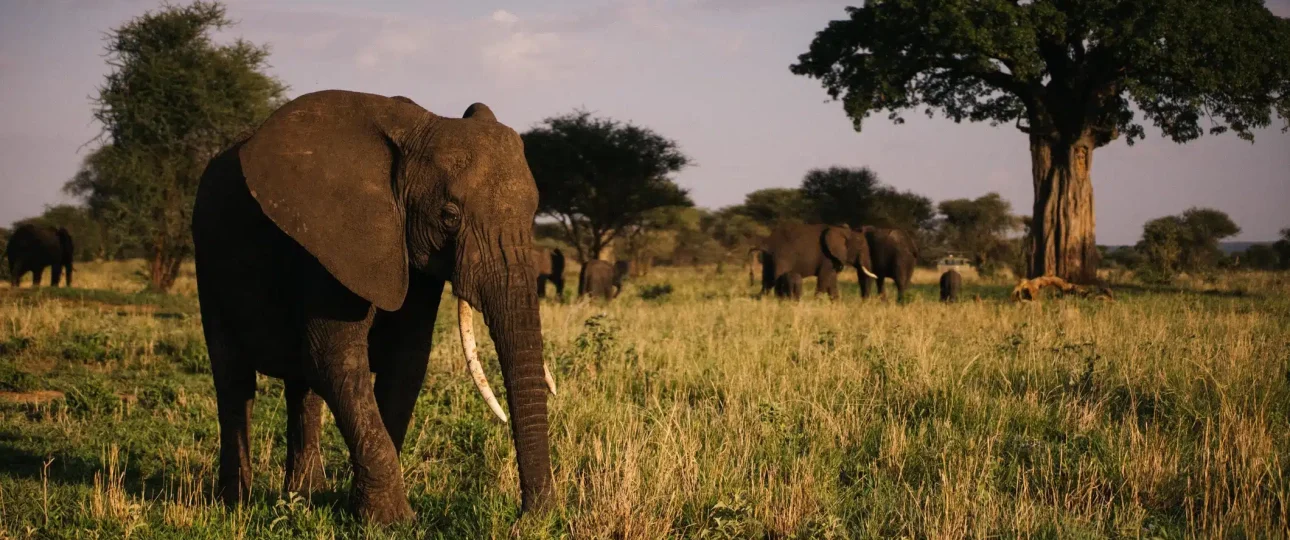
Wildlife is one of Tanzania’s greatest attractions, and a responsible safari begins with respecting the animals and their natural environment.
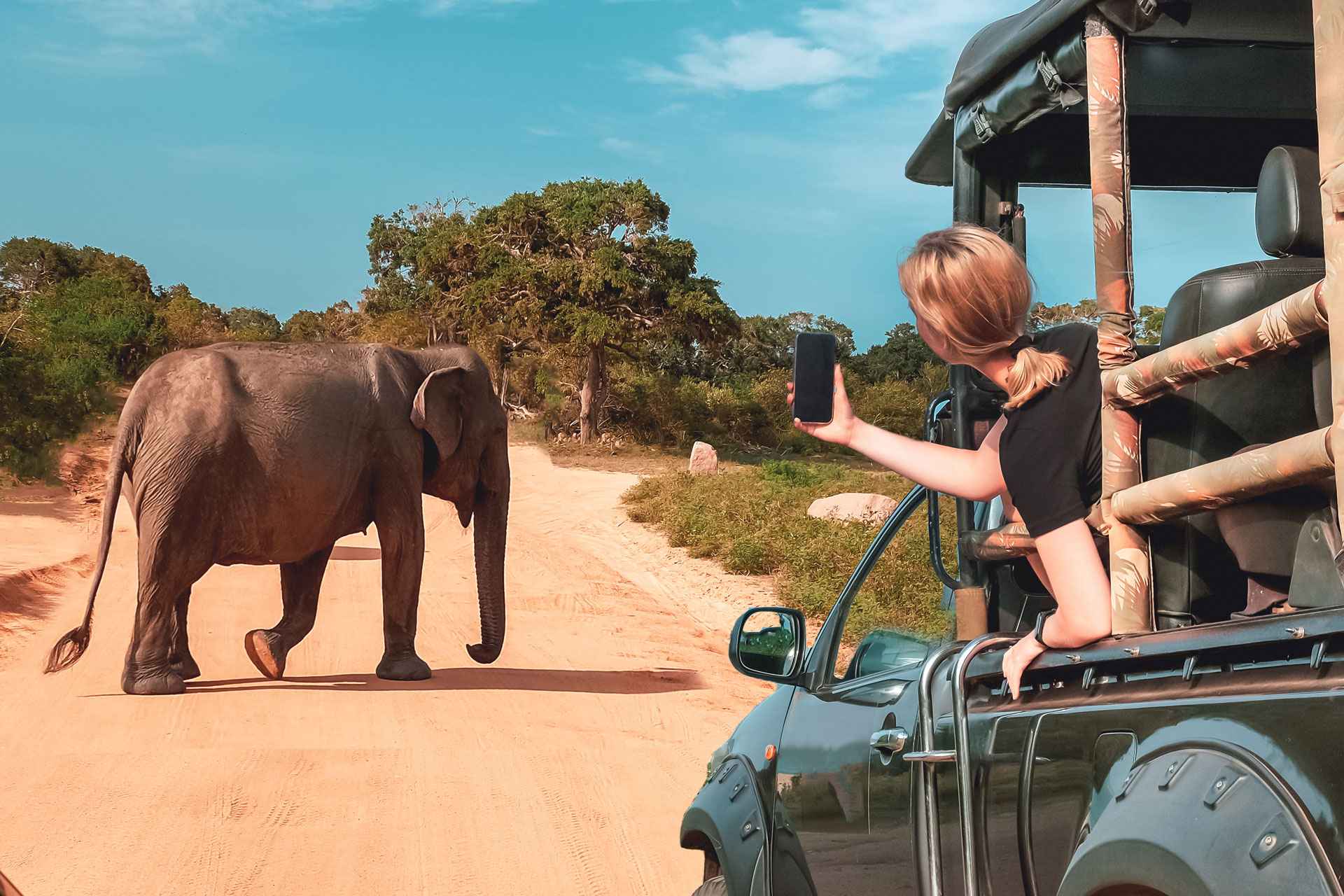
During a game drive, travelers should always follow their guide’s instructions and park regulations. Animals should never be fed, chased, harassed or deliberately disturbed for photographs.
TANAPA’s current visitor guidance emphasizes staying in vehicles during game drives unless leaving the vehicle is specifically permitted, keeping noise low, following guide instructions and avoiding disturbance to wildlife.
These rules are not simply formalities. They help protect animals from unnecessary stress and help preserve natural wildlife behavior.
A responsible safari allows animals to remain wild while visitors observe them from an appropriate distance.
Do Not Ask Your Guide to Chase Animals
One of the most important responsible safari principles is to avoid pressuring your driver-guide to pursue an animal simply to obtain a better photograph.
It can be tempting to want the perfect close-up picture of a lion, leopard, cheetah or elephant. However, wildlife should never be treated as performers.
A skilled guide understands animal behavior and knows when it is appropriate to approach and when it is better to give wildlife space.
The best wildlife photographs often come from patience rather than pursuit.
Respect Wildlife Viewing Distances
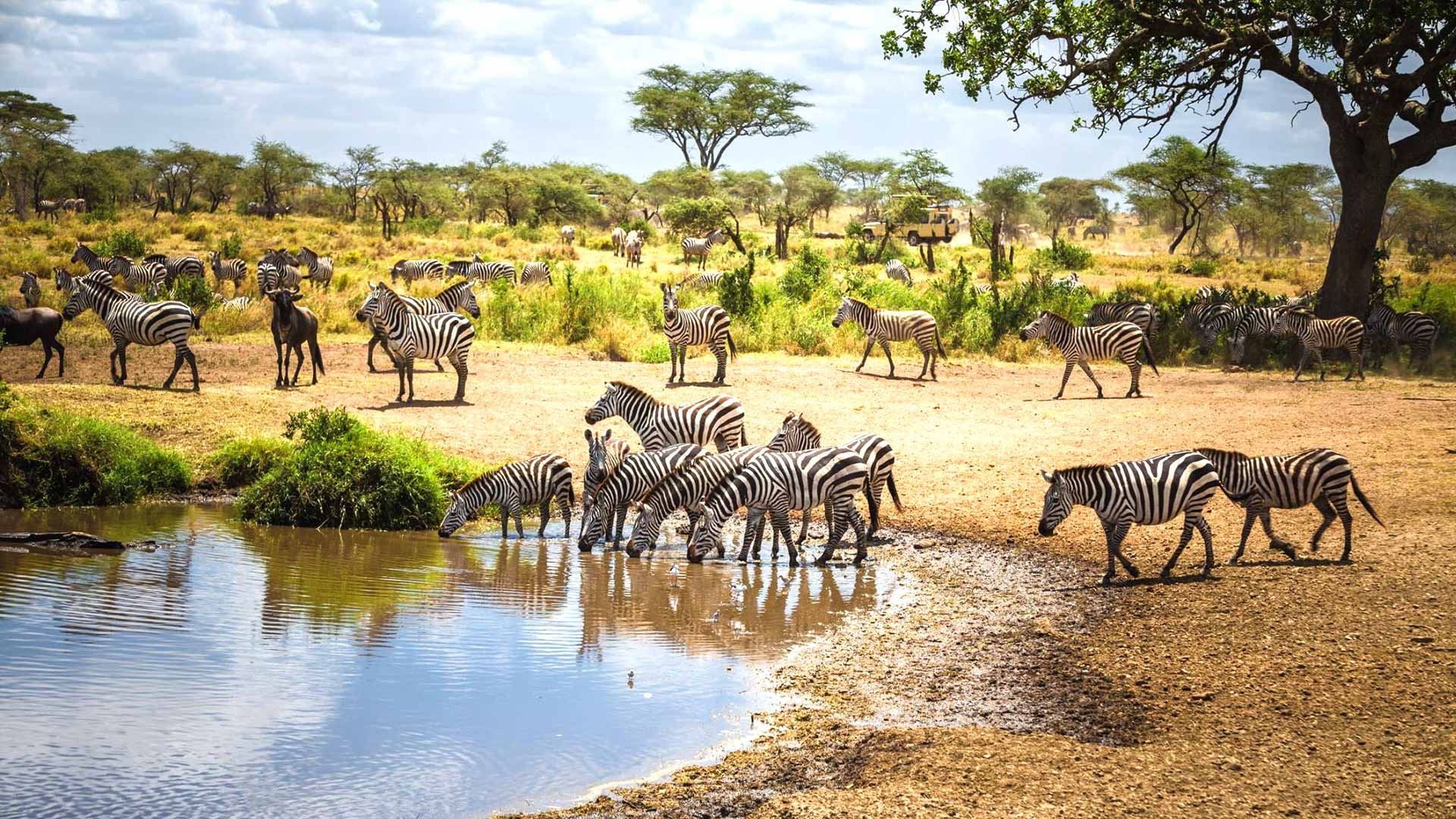
Wild animals need space.
Even when an animal appears comfortable around safari vehicles, visitors should avoid making sudden movements, shouting or attempting to attract its attention.
Following park rules and the instructions of your guide helps ensure that wildlife encounters remain safe and respectful.
This is particularly important when observing animals with young offspring, predators making a kill or wildlife displaying defensive behavior.
Never Feed Wild Animals
Feeding wild animals can alter their natural behavior and create long-term problems.
Animals that associate humans or vehicles with food may become dependent on artificial food sources or lose their natural fear of people.
Responsible travelers should never feed wildlife unless participating in a specifically authorized conservation or research activity where feeding is part of an approved program.
Keep Tanzania’s National Parks Clean
One of the simplest ways to practice responsible tourism is to leave natural areas exactly as you found them.
Avoid throwing anything away in the wilderness. Even small pieces of plastic, food packaging or other waste can harm animals and damage the environment.
TANAPA’s visitor guidance encourages travelers to follow park rules and prepare appropriately for their visits, including carrying reusable water bottles and essential supplies.
Where possible, travelers can reduce single-use plastic by carrying a reusable bottle and choosing refill options provided by their safari operator or accommodation.

Responsible Tourism and Plastic Waste
Plastic pollution is a global environmental issue, and tourism can contribute to unnecessary waste if travelers are not careful.
Travelers visiting Tanzania can reduce their environmental footprint by carrying reusable water bottles, avoiding unnecessary single-use packaging and disposing of waste appropriately.
Safari operators and accommodation providers also have an important role to play by improving waste management, reducing unnecessary plastic and encouraging environmentally responsible practices.
A small reduction in waste multiplied across thousands of visitors can make a meaningful difference.
Support Local Tanzanian Businesses
One of the most direct ways travelers can contribute to Tanzania’s economy is by spending money locally.
Instead of relying exclusively on international chains, consider purchasing from locally owned businesses whenever appropriate.
This could include locally owned accommodation, restaurants, craft businesses, transport providers, guides and community tourism initiatives.
When tourism revenue remains within local communities, it can help support employment and entrepreneurship.
TANAPA has specifically highlighted tourism’s potential to support employment and economic opportunities, particularly for women and youth.
Buy Authentic Local Crafts and Products
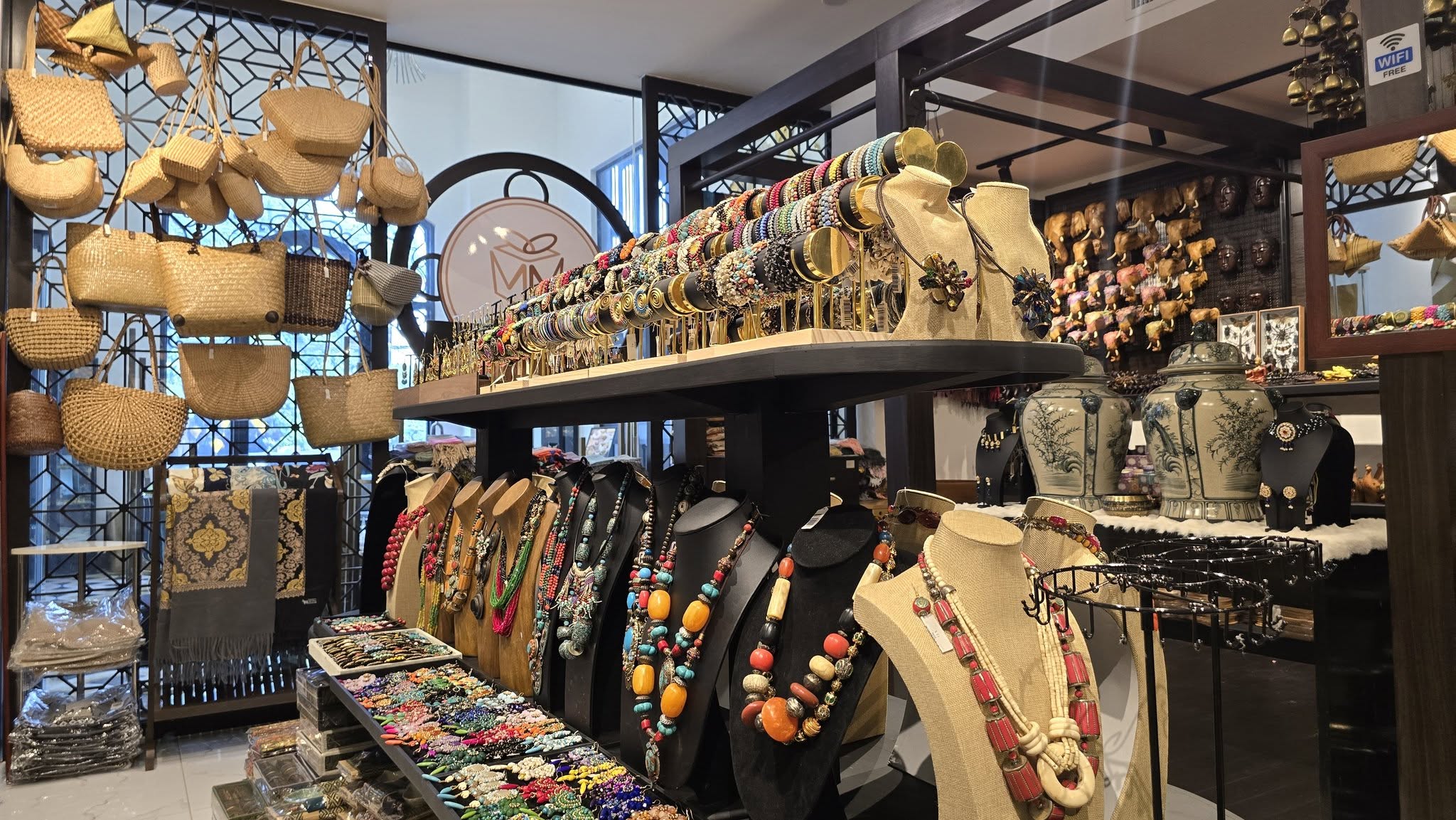
Tanzania has a rich tradition of crafts, textiles, artwork and handmade products.
Purchasing authentic locally made products can provide direct economic support to artisans and small businesses.
Travelers should take time to learn about what they are purchasing rather than automatically choosing the cheapest option.
If possible, ask whether a product was made locally and whether the money goes directly to the artisan or community.
This transforms souvenir shopping from a simple purchase into an opportunity to support Tanzania’s creative economy.
Responsible Cultural Tourism in Tanzania
Tanzania is home to diverse communities with their own languages, traditions, histories and ways of life.
Cultural tourism can be an enriching part of a Tanzania holiday when experiences are organized respectfully.
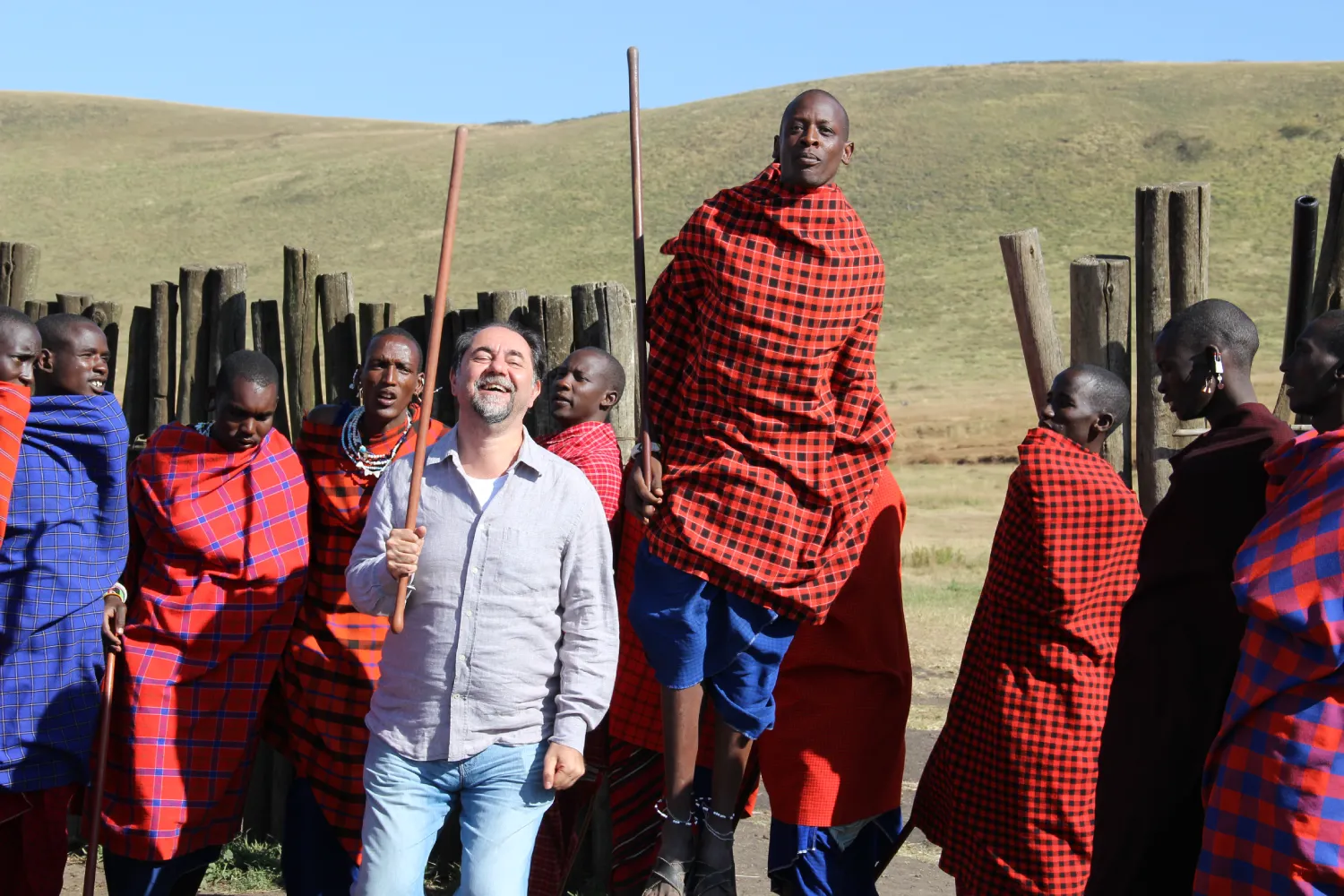
Visitors should approach cultural encounters as opportunities to learn rather than treating communities as attractions for entertainment.
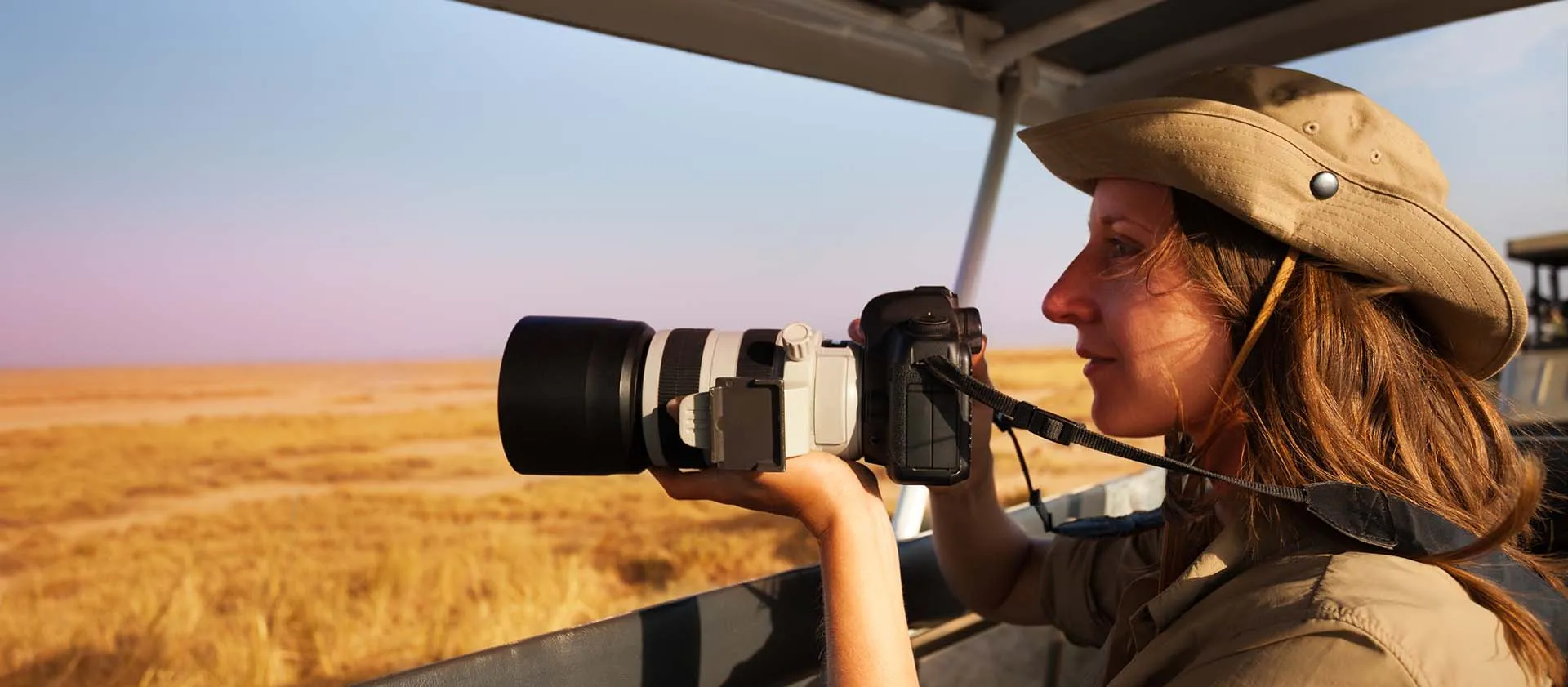
Before photographing people, it is courteous to ask for permission. Travelers should also respect local customs regarding clothing, religious practices, ceremonies and personal space.
A genuine cultural experience should allow local communities to have a voice in how their culture is presented.
Respect Maasai and Other Indigenous Cultural Traditions
The Maasai are among Tanzania’s most internationally recognized communities, but they are not simply a tourism attraction.
Travelers visiting Maasai communities should approach cultural experiences with respect and curiosity.
Ask questions, listen to local hosts and avoid making assumptions based on stereotypes.
The same principle applies when visiting Chagga communities around Kilimanjaro, Hadzabe communities near Lake Eyasi, or other cultural groups across Tanzania.
The Tanzania Tourism Board actively promotes cultural experiences involving communities including Maasai, Chagga and Hadzabe, alongside wildlife and nature experiences.
Ask Before Taking Photographs of People
A photograph may take only a second for a traveler, but it involves another person’s privacy and dignity.
Always ask permission before photographing someone, particularly children.
If someone does not want to be photographed, respect their decision without argument.
This simple gesture demonstrates cultural awareness and helps create more respectful interactions between visitors and local communities.
Responsible Tourism With Children
Children can be particularly vulnerable in tourism environments.
Travelers should avoid photographing children without parental or guardian permission and should be careful about giving money, sweets or gifts directly to children.
Although such gestures may come from good intentions, they can unintentionally encourage begging or create unhealthy relationships between visitors and local communities.
If you want to support children or education initiatives, consider doing so through an established and transparent community organization rather than through informal handouts.
Supporting Community-Based Tourism in Tanzania
Community-based tourism can provide an important connection between conservation, livelihoods and tourism.
Across Tanzania, local communities participate in initiatives that protect natural resources while creating opportunities for sustainable income. The Tanzania Tourism Board highlights community-managed wildlife sanctuaries and village-based eco-tourism projects as examples of communities contributing directly to conservation and tourism.
For travelers, choosing a genuine community-based experience can provide a more meaningful connection with Tanzania while helping local residents benefit from tourism.
These experiences might include guided walks, cultural visits, traditional food experiences, village activities, crafts or nature-based excursions.
The key is ensuring that the experience is community-led or provides clear and meaningful benefits to the community.
Responsible Tourism on Mount Kilimanjaro
Kilimanjaro is one of Tanzania’s most important tourism destinations and one of Africa’s most famous mountains.
Responsible trekking is essential because thousands of visitors travel through the mountain’s sensitive ecosystems every year.
Trekkers should avoid leaving waste behind, stay on designated routes where required, follow park regulations and respect the natural environment.
Choosing a responsible trekking operator is equally important.
A good operator should prioritize climber safety, environmental protection and fair treatment of the mountain crew.
TANAPA’s current trip-planning guidance emphasizes following park rules, using appropriate guiding arrangements for activities where guides are required, and respecting environmental and safety requirements.
Respect the Kilimanjaro Mountain Crew
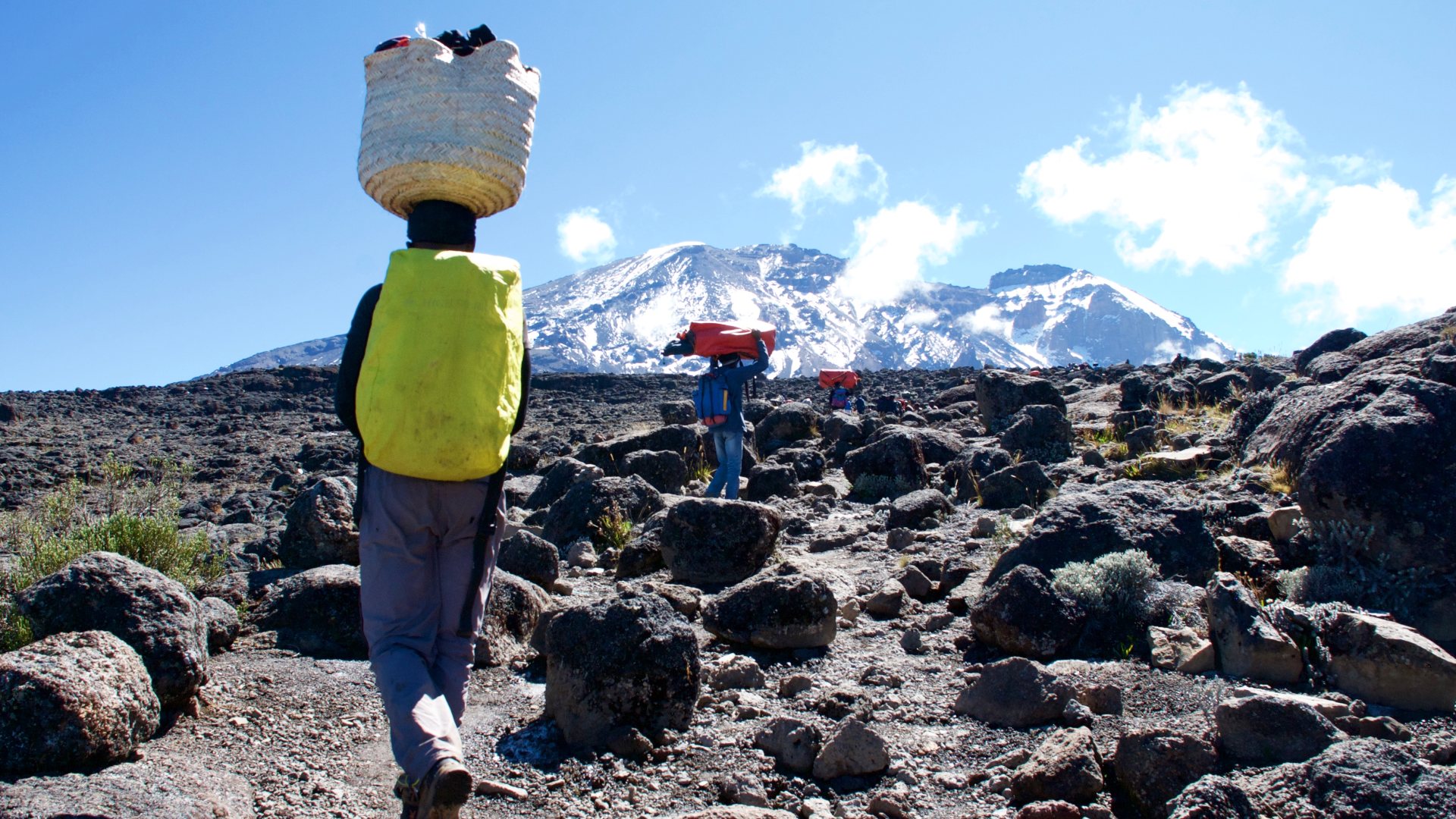
A Kilimanjaro expedition involves a team of people who make the journey possible.
Depending on the route and package, this may include guides, cooks, porters and other support staff.
Travelers should choose operators that demonstrate responsible treatment of their mountain teams.
Before booking, ask questions about porter welfare, working conditions, equipment, food and accommodation arrangements.
A responsible Kilimanjaro experience should recognize that the mountain is not conquered by one climber alone. It is a team effort.
Choose a Responsible Safari and Trekking Operator
One of the most important decisions a traveler can make is choosing the right local tour operator.
Look for a company that is transparent about its itineraries, pricing, staff, safety procedures and environmental practices.
A responsible operator should respect national park regulations, use appropriate vehicles and guides, prioritize visitor safety and demonstrate genuine concern for local communities and conservation.
TANAPA’s current trip-planning guidance recommends using licensed operators and roadworthy vehicles and emphasizes compliance with park rules, safety requirements and permitted activities.
For travelers, this means that the cheapest safari or trekking package is not necessarily the best choice.
Responsible Accommodation in Tanzania
Where you stay can also influence the impact of your trip.
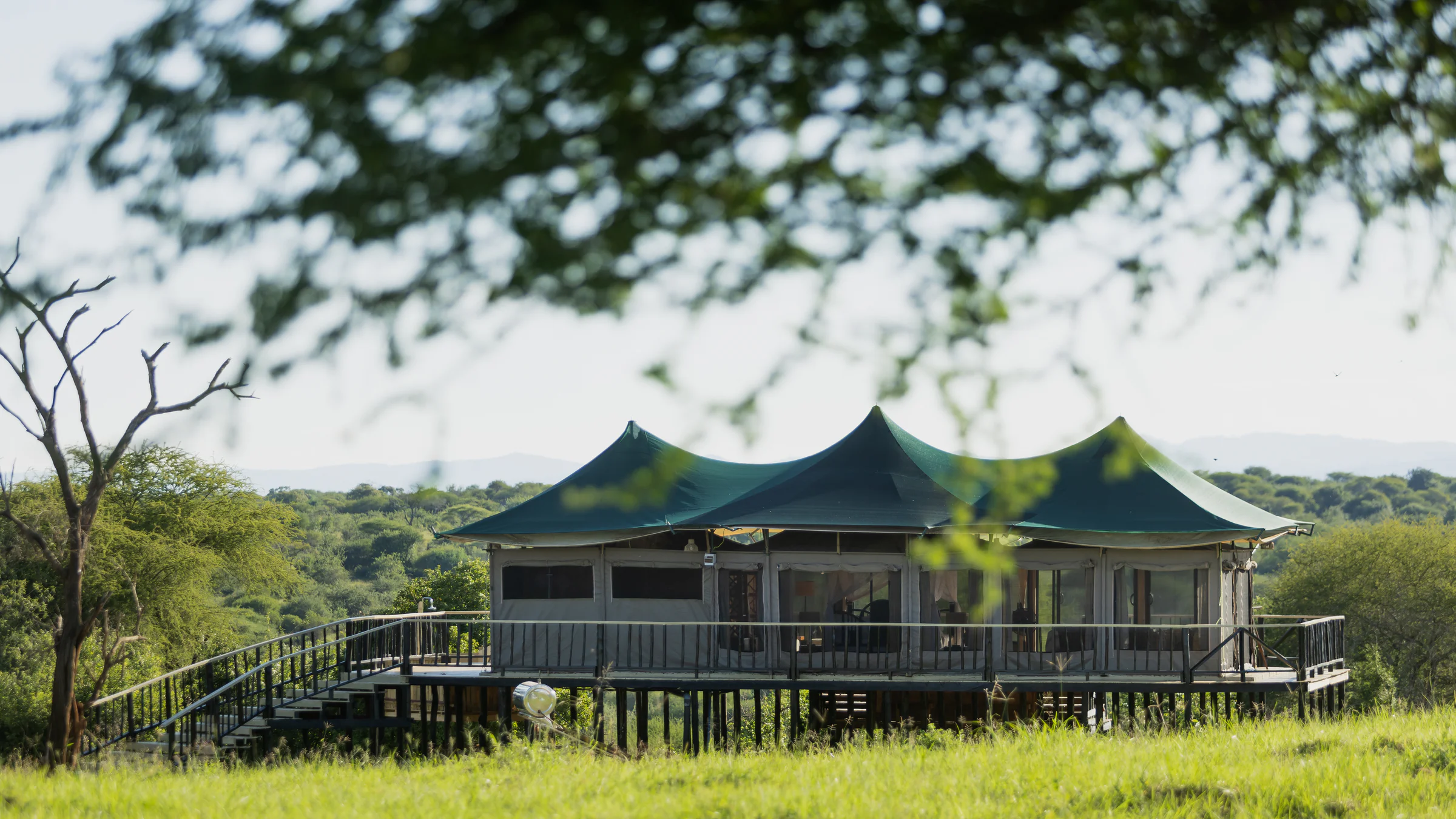
Travelers can consider accommodation providers that demonstrate responsible practices such as employing local staff, purchasing locally produced food and products, reducing waste, managing water responsibly and supporting conservation or community initiatives.
This does not mean that every eco-lodge must look the same or that luxury accommodation cannot be sustainable.
Responsible tourism is about how a property operates and contributes to its surroundings, not simply whether it uses the word “eco” in its marketing.
TANAPA provides accommodation options ranging from campsites to lodges and other facilities within national parks, while travelers can also stay in communities and towns surrounding protected areas.
Conserve Water During Your Tanzania Trip
Water is a valuable resource, particularly in dry environments and areas where tourism infrastructure depends on limited supplies.
Travelers can help by avoiding unnecessarily long showers, turning off taps when not needed and following accommodation guidance on laundry and towel replacement.
These actions may seem small, but responsible tourism is ultimately built from many small choices.
Respect Tanzania’s Natural Resources
Tanzania’s natural landscapes are part of the country’s heritage.
Whether you are visiting a national park, forest, mountain, beach, lake or community conservation area, avoid removing natural objects such as plants, rocks, shells or other materials unless collection is specifically permitted.
Leave the landscape as you found it so that future visitors can experience it in the same way.
Follow National Park Rules
Responsible tourism begins with respecting the rules of the destination.
Park regulations exist to protect wildlife, visitors and ecosystems.
Travelers should listen to their guide, observe speed limits, remain within designated areas, avoid off-road driving unless explicitly permitted, and respect opening and closing times.
TANAPA’s current guidance specifically advises visitors to remain in vehicles during game drives unless leaving is permitted, avoid disturbing wildlife and follow guide instructions.
Following these rules is one of the easiest ways to contribute to conservation.
Avoid Illegal Wildlife Products
Travelers should never purchase products made from illegally obtained wildlife materials.
Be particularly cautious when buying souvenirs that may involve ivory, endangered species, protected animal parts or other restricted materials.
If you are uncertain about the origin or legality of an item, it is better not to purchase it.
Responsible tourism means ensuring that your spending does not contribute to wildlife exploitation.
Choose Experiences That Spread Tourism Benefits
Popular destinations can experience high visitor concentrations while other communities and destinations receive fewer tourism benefits.
Travelers can help distribute tourism’s economic benefits by considering less-visited destinations and community-based experiences where appropriate.
Tanzania offers much more than Serengeti and Ngorongoro. Travelers can explore destinations such as Mkomazi, Nyerere, Ruaha, Udzungwa, Mahale, Gombe and other protected landscapes depending on their interests and available time.
This can also create a more diverse travel experience.
Consider Visiting Tanzania’s Less-Visited Destinations
Responsible tourism does not necessarily mean avoiding popular destinations.
Serengeti, Ngorongoro and Kilimanjaro are popular for good reasons and generate significant tourism and conservation value.
However, travelers with flexible itineraries can also consider less-visited destinations.
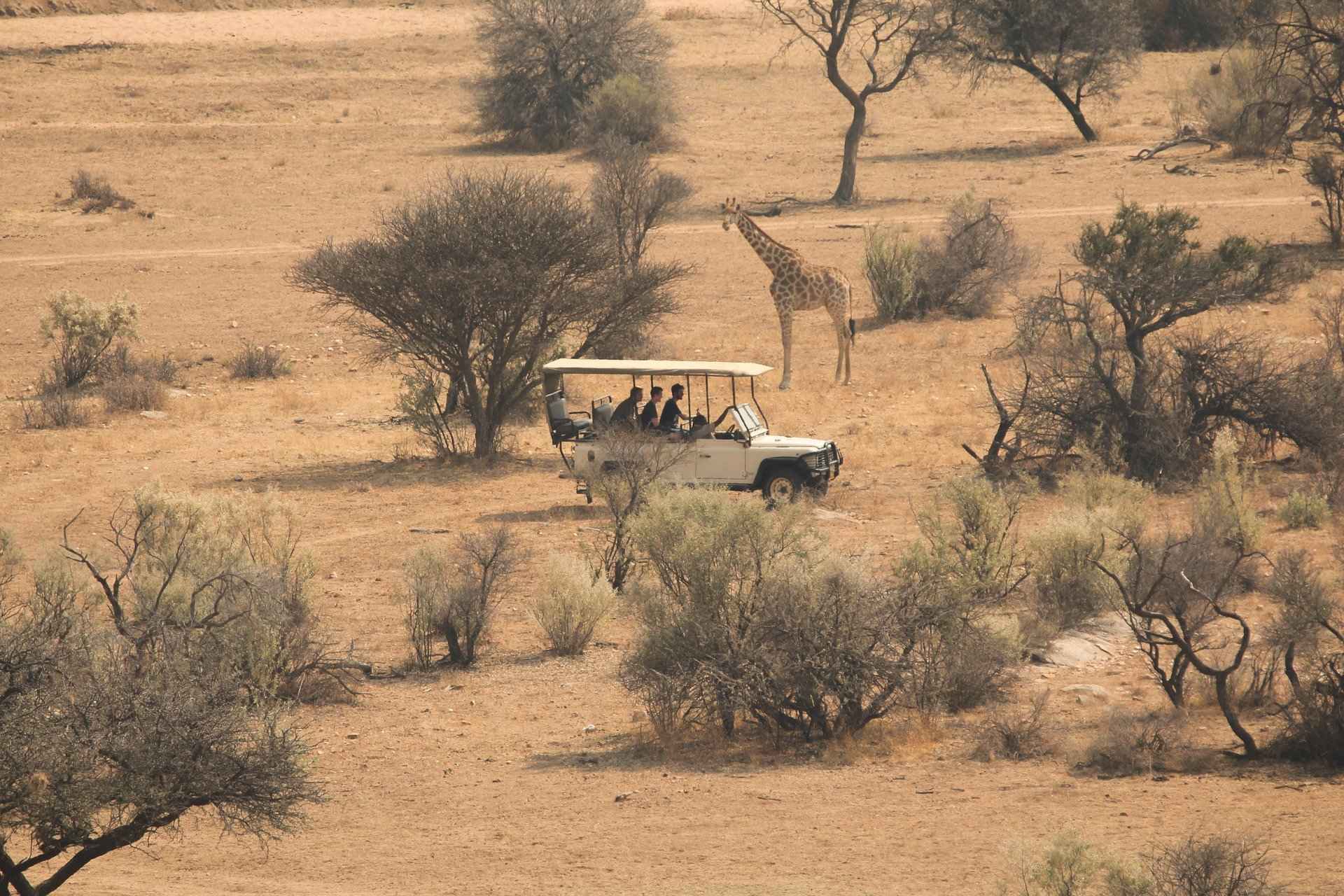
Mkomazi, for example, offers a different wildlife experience and is associated with black rhino and African wild dog conservation. Other destinations offer walking safaris, chimpanzee trekking, boat safaris, mountain hiking and cultural experiences.
Exploring beyond the most famous attractions can help travelers discover a broader picture of Tanzania.
Travel Slowly When Possible
Responsible tourism can also involve slowing down.
Instead of trying to visit five destinations in five days, consider spending more time in fewer places.
A slower itinerary can reduce unnecessary transfers, provide more opportunities to interact meaningfully with local communities and allow you to appreciate the destination rather than simply collecting photographs.
For example, spending several days in one safari region can be more rewarding than changing accommodation every night.
Responsible Travel and Carbon Footprint
International travel inevitably involves environmental impacts, particularly from air transportation.
Travelers cannot eliminate their entire footprint, but they can make thoughtful choices.
Staying longer rather than taking multiple short international trips, combining experiences into one well-planned itinerary and avoiding unnecessary internal travel can help reduce the amount of transportation associated with a holiday.
Choosing efficient road routes and sensible domestic connections can also make an itinerary more practical.
Carbon-offset programs can be considered, but travelers should research them carefully and look for transparent projects with credible reporting rather than assuming that every offset program delivers the same benefits.
Responsible Photography in Tanzania
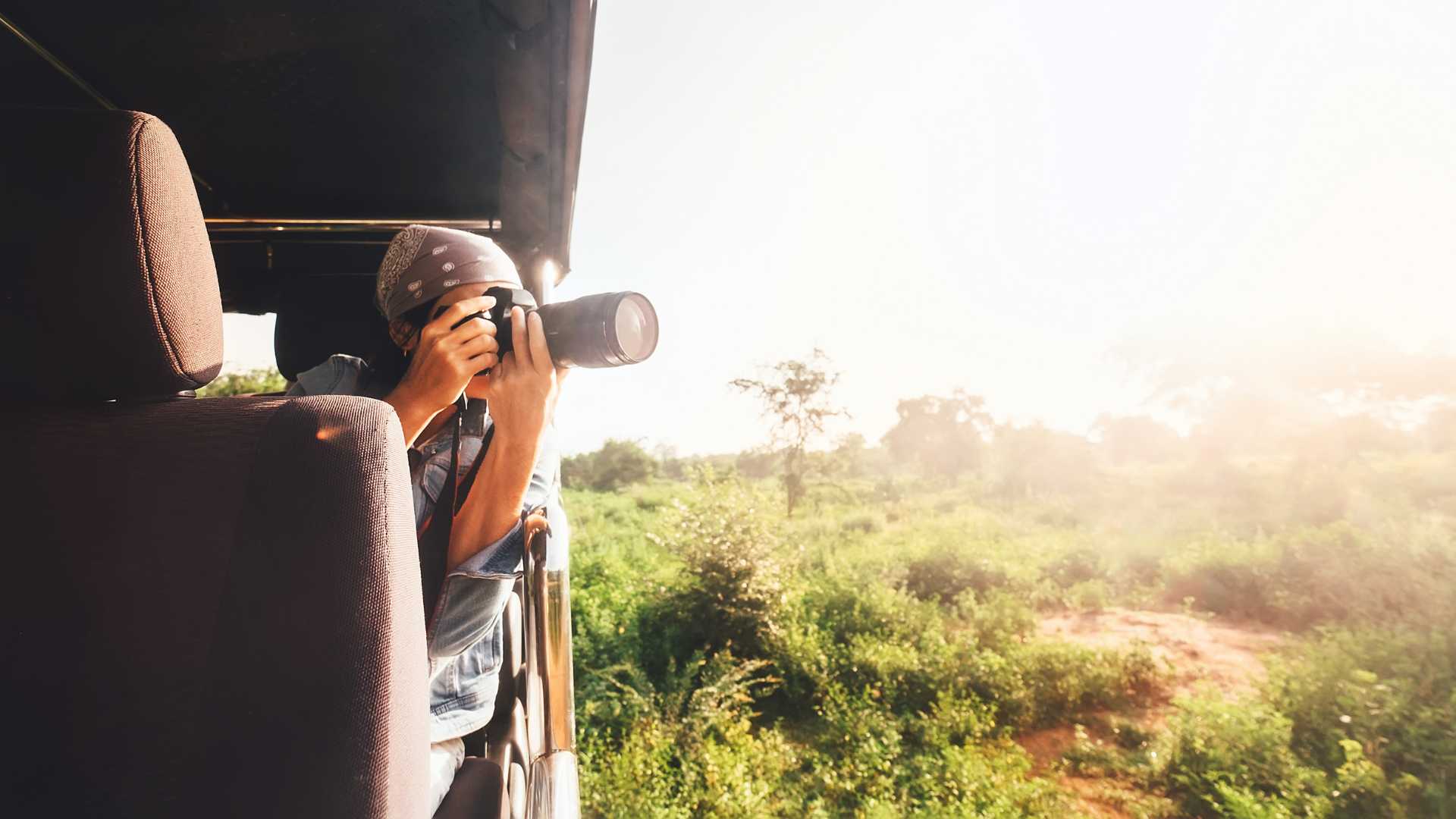
Photography is one of the most rewarding parts of a Tanzania safari, but photographers have an ethical responsibility.
Do not ask guides to disturb wildlife for a photograph.
Do not use flash when it could disturb animals.
Do not block other vehicles or monopolize a wildlife sighting.
And never sacrifice animal welfare simply to obtain a better photograph.
The best safari photographs are those that capture wildlife behaving naturally.
Responsible Travel During the Great Wildebeest Migration
The Great Wildebeest Migration is one of Tanzania’s most spectacular natural events.
Large numbers of visitors travel to the Serengeti to witness the movement of wildebeest and other animals.
Because the migration can attract significant concentrations of safari vehicles, responsible behavior is particularly important.
Travelers should follow their guide’s instructions, avoid crowding animals and respect park rules.
The objective should be to witness the natural event without becoming part of the disturbance.
Responsible Beach Tourism in Zanzibar
Responsible tourism extends beyond safari destinations.
Zanzibar, Pemba and Tanzania’s mainland coast contain beautiful beaches, coral reefs, marine ecosystems and communities whose livelihoods are connected to the ocean.
Travelers should avoid damaging coral reefs, dispose of waste properly and follow local marine-tourism guidelines.
When participating in snorkeling, diving, boat trips or other marine activities, choose responsible providers and follow instructions designed to protect marine life.
Support Local Food and Cuisine
Food is one of the simplest ways to connect with Tanzania.
Travelers can support local businesses by eating at reputable locally owned restaurants and trying Tanzanian dishes.
From traditional rice and meat dishes to fresh tropical fruits, coastal cuisine and locally grown coffee, Tanzania’s food culture reflects the country’s diverse communities and landscapes.
Trying local food also provides a more authentic travel experience than relying exclusively on international cuisine.

Learn Before You Travel
Responsible tourism begins before you arrive.
Take some time to learn about Tanzania’s culture, geography, wildlife, conservation challenges and local customs.
Understanding the destination helps travelers make better decisions once they arrive.
Researching appropriate clothing for cultural visits, photography etiquette, wildlife behavior and park regulations can prevent misunderstandings and demonstrate respect.
Responsible Tourism Is a Partnership
Responsible tourism is not solely the responsibility of travelers.
Tour operators, guides, accommodation providers, park authorities, communities, conservation organizations and government institutions all have roles to play.
TANAPA’s current approach emphasizes sustainable conservation and tourism while highlighting partnerships, community benefits and the protection of Tanzania’s natural heritage.
Travelers are one important part of this wider system.
When visitors make responsible choices and tourism businesses operate ethically, tourism can become a powerful force for conservation and community development.
How Trek and Hide Adventures Supports Responsible Tourism
At Trek and Hide Adventures, responsible tourism is about creating meaningful experiences while respecting Tanzania’s people, wildlife and natural environment.
We believe travelers should have the opportunity to discover Tanzania while understanding that the destinations they visit are not simply holiday backdrops. They are living ecosystems, communities and cultural landscapes that deserve respect.
Our approach is built around working with local guides and service providers, respecting national park regulations, encouraging responsible wildlife viewing and helping travelers understand the importance of protecting the places they visit.
Whether you are climbing Kilimanjaro, exploring Tanzania’s national parks, enjoying a walking safari or visiting local communities, we aim to create experiences that connect travelers with Tanzania in a respectful and meaningful way.
How Travelers Can Make a Positive Difference
You do not need to make dramatic changes to become a responsible traveler.
Start with simple decisions.
Choose a reputable local tour operator. Respect wildlife. Follow park rules. Reduce unnecessary plastic. Carry a reusable water bottle. Ask before photographing people. Support local businesses. Buy authentic locally made products. Respect cultural traditions. Avoid illegal wildlife products. Listen to your guide. Leave natural places clean.
Most importantly, travel with curiosity, humility and respect.
These choices can transform a holiday from simply seeing Tanzania into experiencing the country in a way that contributes to its future.
Final Thoughts: Travel With Purpose in Tanzania
Responsible tourism in Tanzania is about recognizing that every journey has an impact.
The money you spend, the companies you choose, the activities you participate in and the way you behave around wildlife and communities can all influence the destination.
Tanzania’s extraordinary national parks, mountains, forests, wildlife and cultural landscapes are valuable resources that deserve protection. Community-led conservation initiatives and sustainable tourism can help ensure that both people and nature benefit from tourism.
For travelers, responsible tourism does not mean traveling less or enjoying less.
It means traveling better.
It means taking the time to understand Tanzania, respecting the people who call it home, protecting wildlife, supporting local communities and leaving the places you visit with the same dignity and beauty you found when you arrived.
With Trek and Hide Adventures, your Tanzania journey can be more than an unforgettable holiday. It can be a journey with purpose—one that creates memories for you while helping protect Tanzania’s remarkable natural and cultural heritage for future generations.