
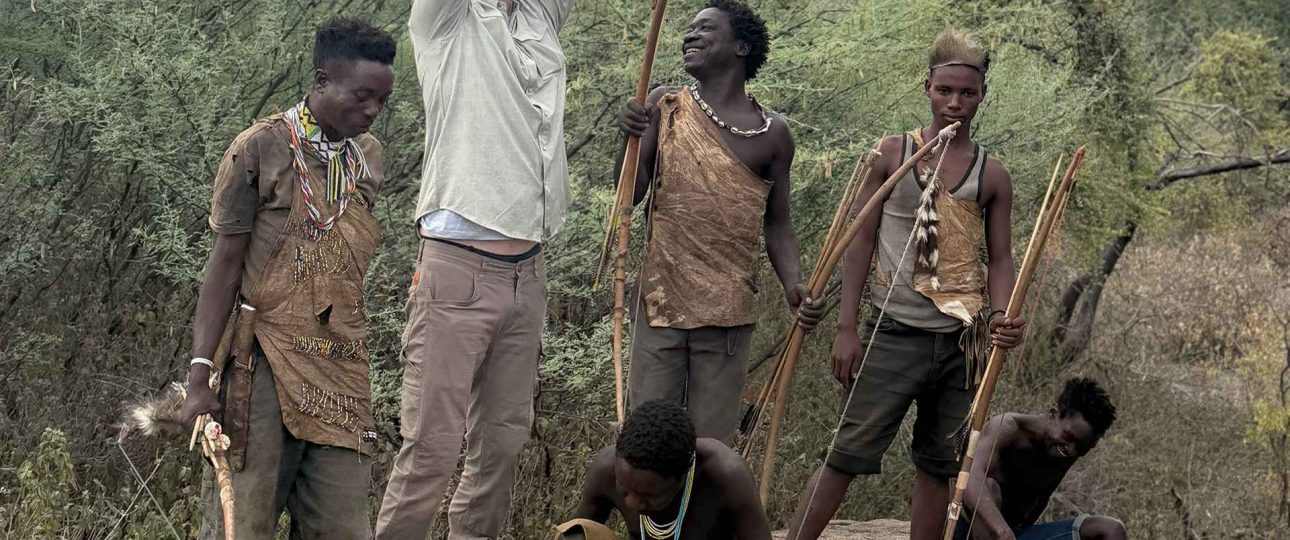
Tanzania Cultural Tours: Authentic Experiences, Local Communities & Traditions
Discover Tanzania Cultural Tours featuring authentic community experiences, Maasai and Chagga culture, Hadzabe traditions, local food, crafts and Swahili heritage.
Tanzania is famous around the world for its spectacular wildlife, Mount Kilimanjaro and tropical beaches, but there is another side of the country that can make a journey even more meaningful: its people, cultures, traditions and local communities.
A Tanzania cultural tour provides an opportunity to look beyond the traditional safari experience and discover how different communities live, work, celebrate, prepare food, practice traditional crafts and maintain connections with their surrounding environment.
From spending time with Maasai communities near the Great Rift Valley to learning about the traditional knowledge of the Hadzabe around Lake Eyasi, experiencing Chagga culture on the slopes of Mount Kilimanjaro or discovering the history and Swahili heritage of Tanzania’s coastal communities, cultural travel can add a completely different dimension to a Tanzania holiday.
At Trek and Hide Adventures, we believe that meaningful travel is not only about seeing extraordinary places. It is also about meeting people, listening to their stories and developing a deeper understanding of the destination you are visiting.
What Is a Tanzania Cultural Tour?
A Tanzania cultural tour is a travel experience that allows visitors to learn about the country’s diverse communities, traditions, history, livelihoods and ways of life.
Rather than simply passing through a destination, travelers have opportunities to interact with local people and participate in carefully organized experiences.
Depending on the destination, a cultural experience may involve a village visit, traditional cooking, farming activities, walking with a local guide, learning about traditional medicine, visiting a local market, experiencing traditional music and dance, learning about crafts or exploring the history of a particular community.
The experience can be combined with a wildlife safari, Kilimanjaro trek, hiking adventure or beach holiday, making cultural tourism a flexible addition to a Tanzania itinerary.
Why Choose Cultural Tourism in Tanzania?
Tanzania is one of Africa’s culturally diverse countries, with numerous ethnic communities, languages and traditions.
A safari can show you Tanzania’s wildlife, while a cultural experience can help you understand the people and communities living alongside these landscapes.
This combination can make your journey more personal and educational.
Cultural tourism can also provide opportunities for local communities to benefit directly from tourism when experiences are properly managed and community-led or community-supported.
For travelers, this means that a cultural tour can be more than sightseeing. It can become an opportunity to learn, exchange ideas and support local livelihoods.
Experience the Maasai Culture in Tanzania
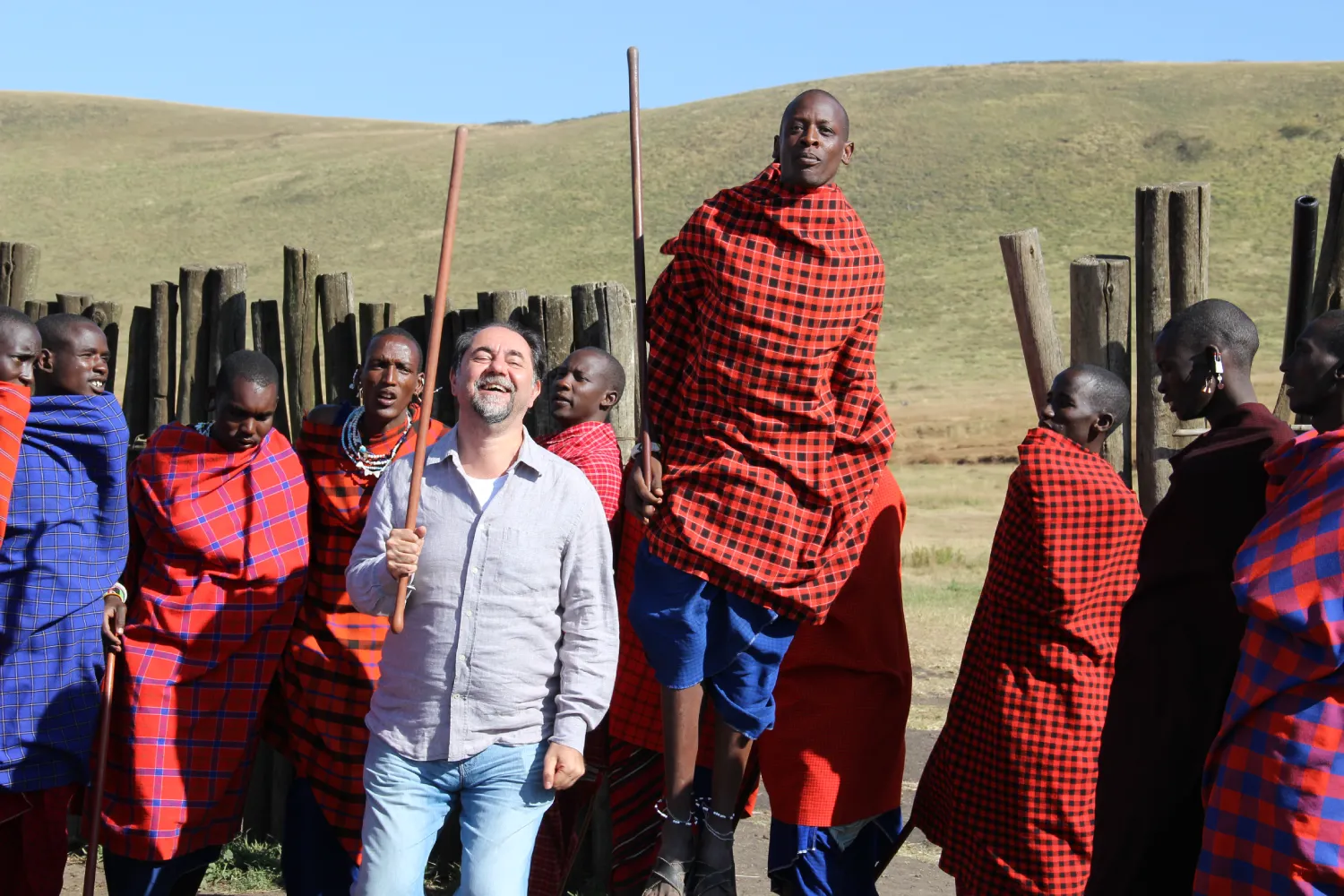
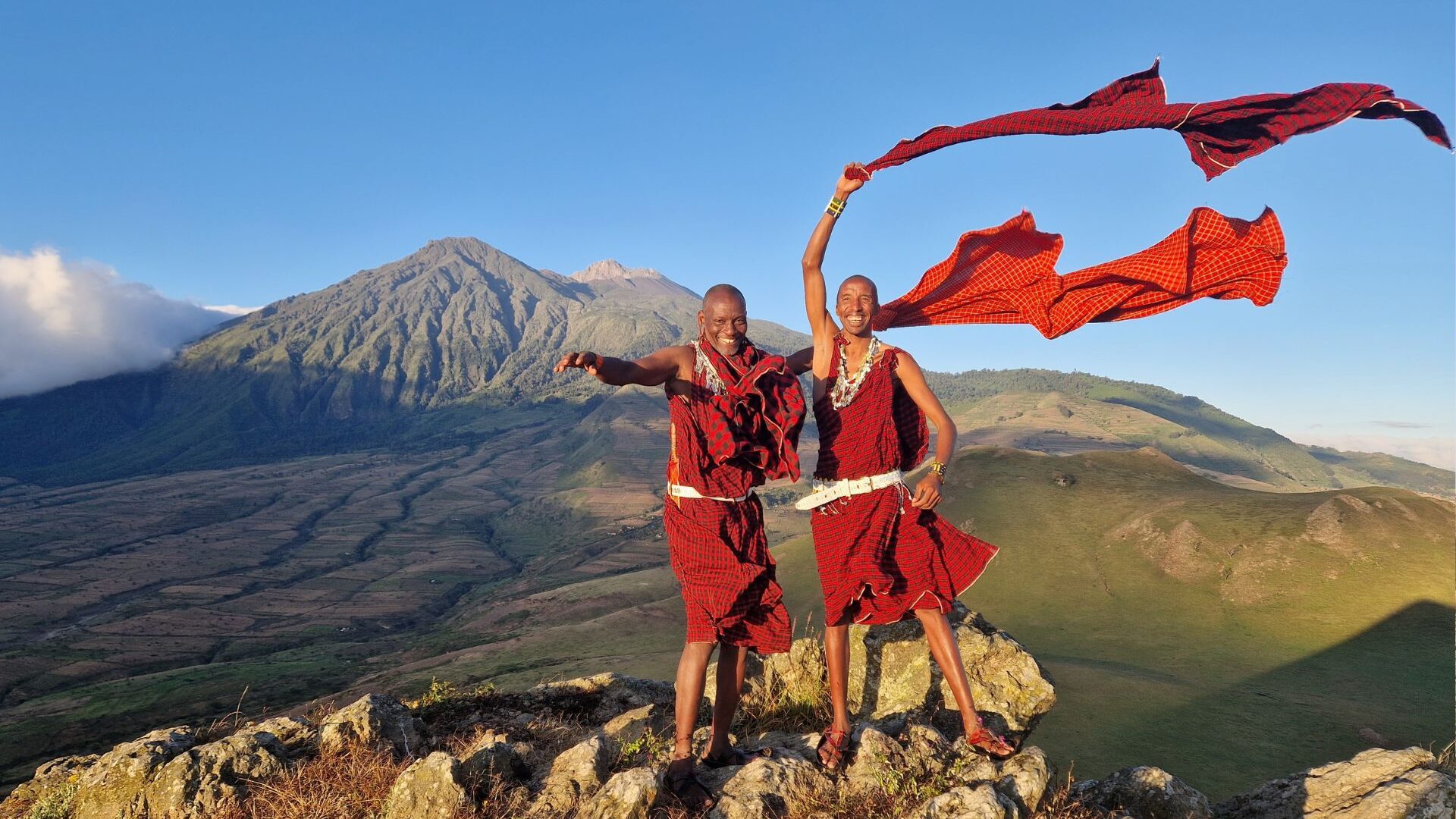
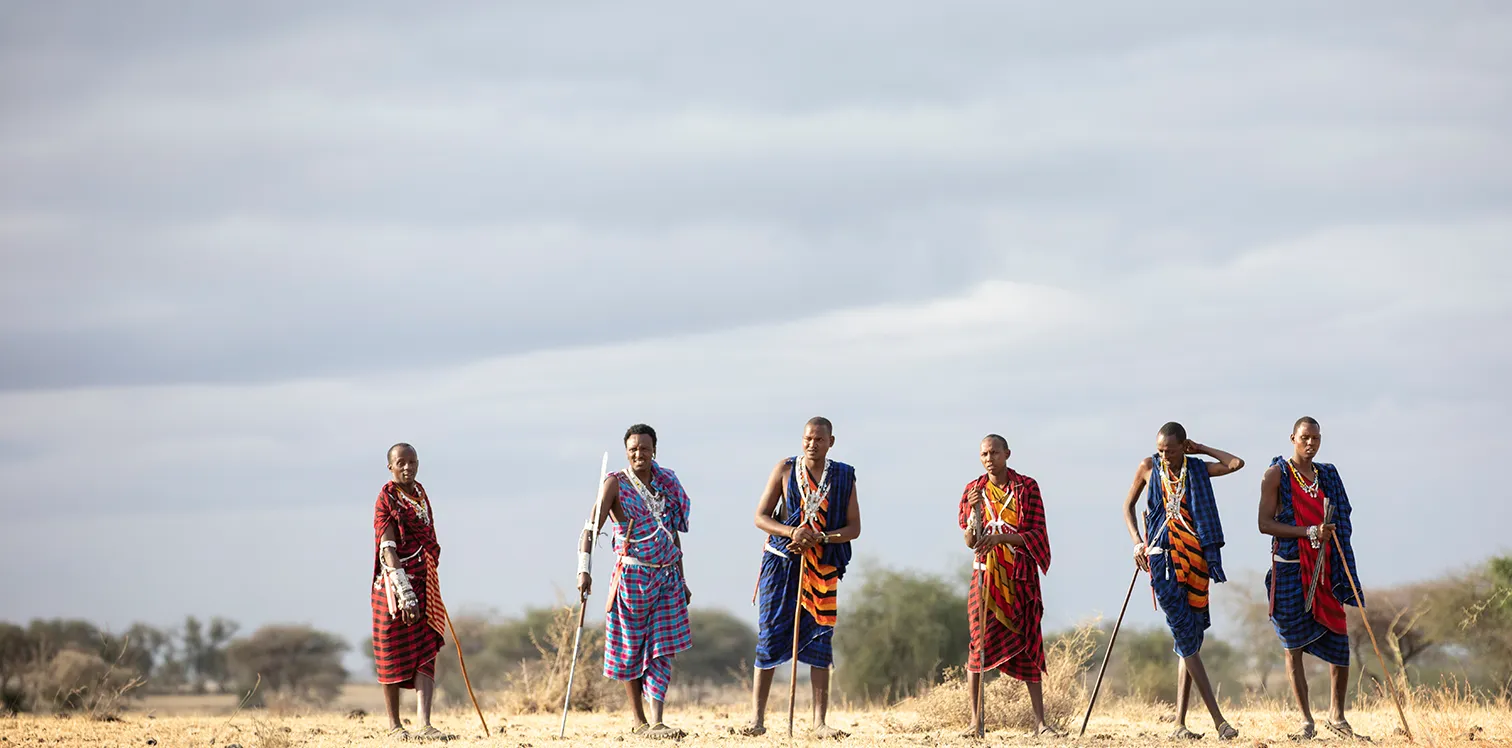
The Maasai are among the most internationally recognized communities in East Africa, and Maasai cultural experiences are among the most popular cultural activities available to visitors in northern Tanzania.
Maasai communities are found across northern Tanzania and southern Kenya, with many communities living around areas associated with wildlife conservation and pastoralism.
A responsible Maasai cultural experience should focus on learning rather than treating people as an attraction.
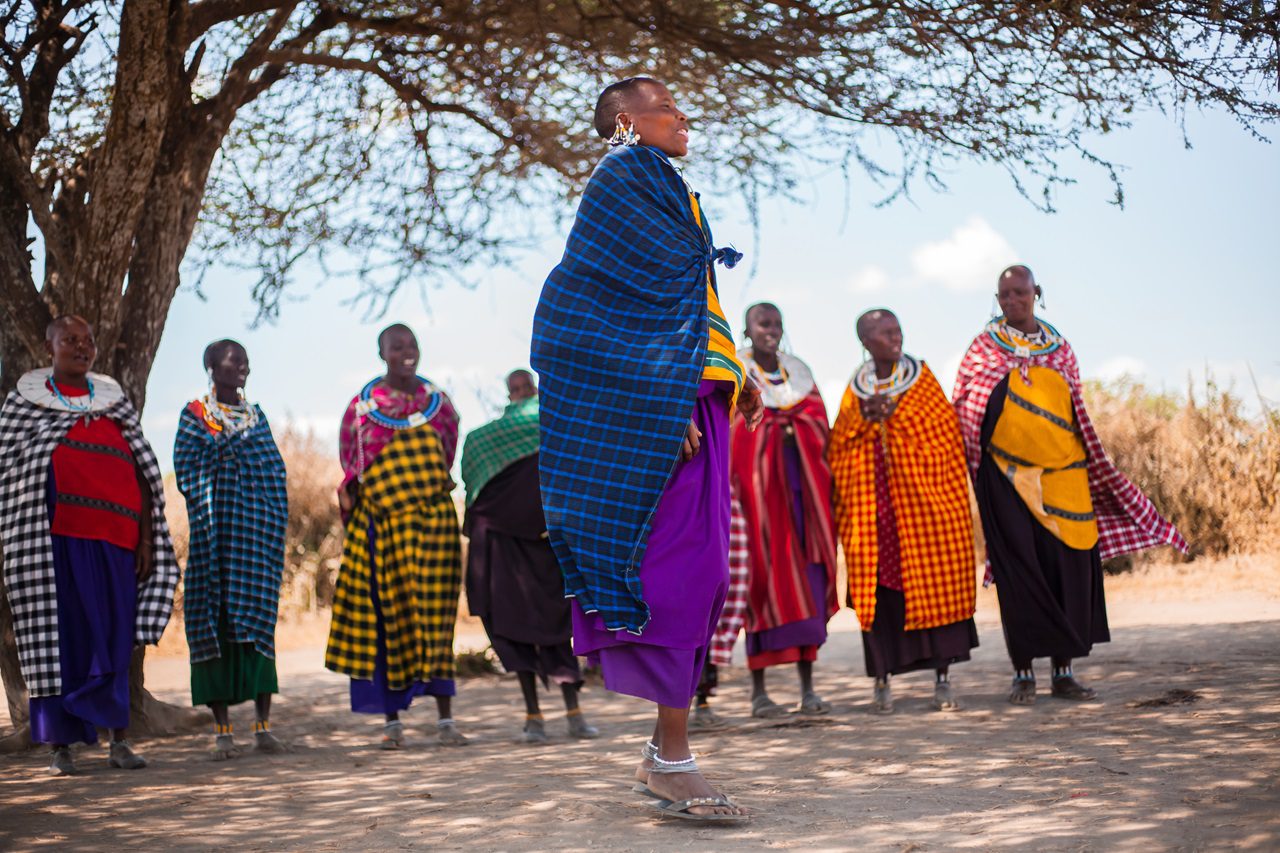
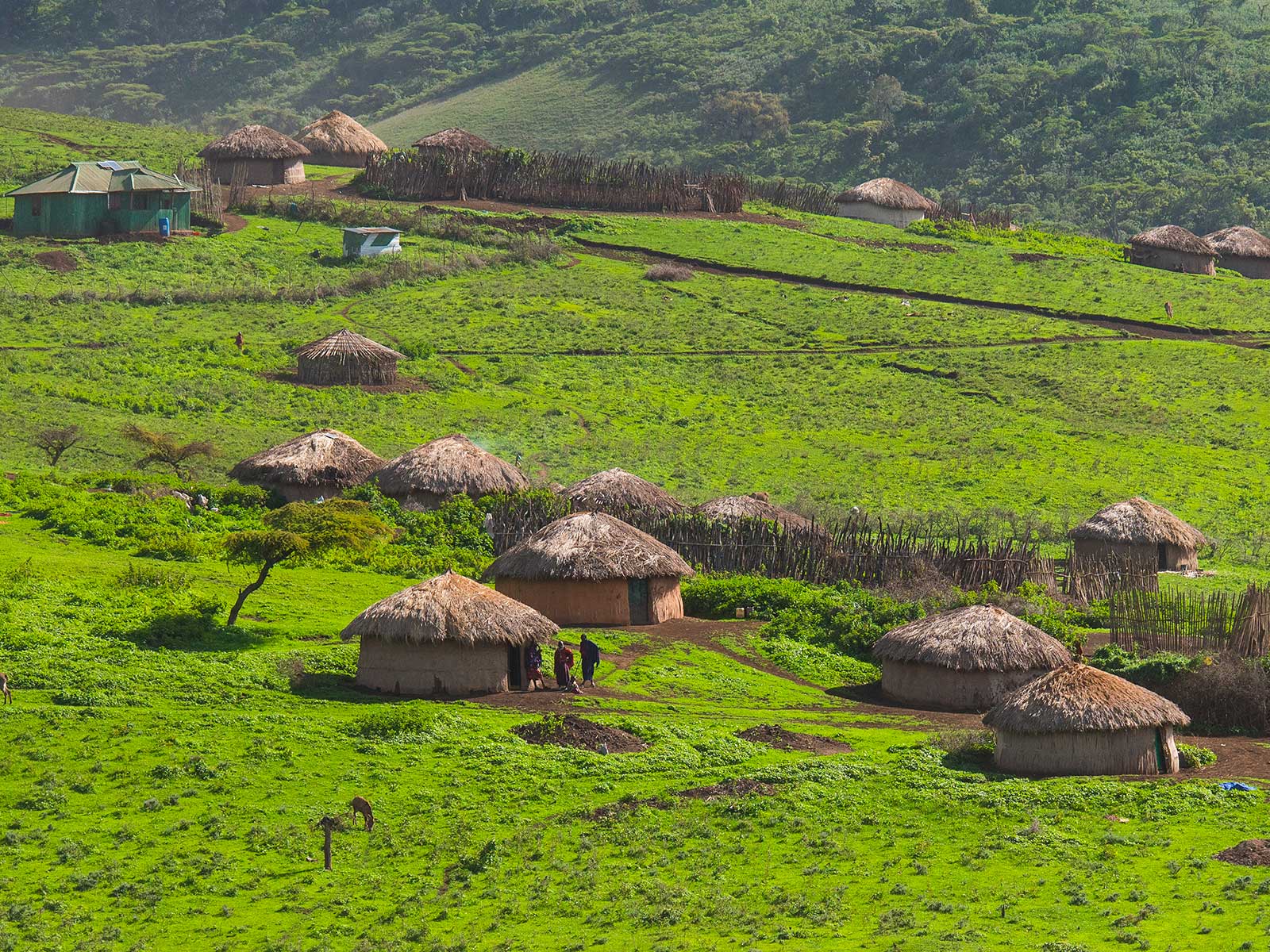
Depending on the community and experience, visitors may learn about traditional homes, livestock keeping, clothing, beadwork, ceremonies, family structures and the relationship between the community and its environment.
Travelers may also have opportunities to participate in traditional dances, learn about handmade crafts or listen to community members explain aspects of their daily lives.
The most meaningful experiences are those where local people have a genuine role in hosting and guiding visitors.
Cultural Experiences With the Hadzabe Community
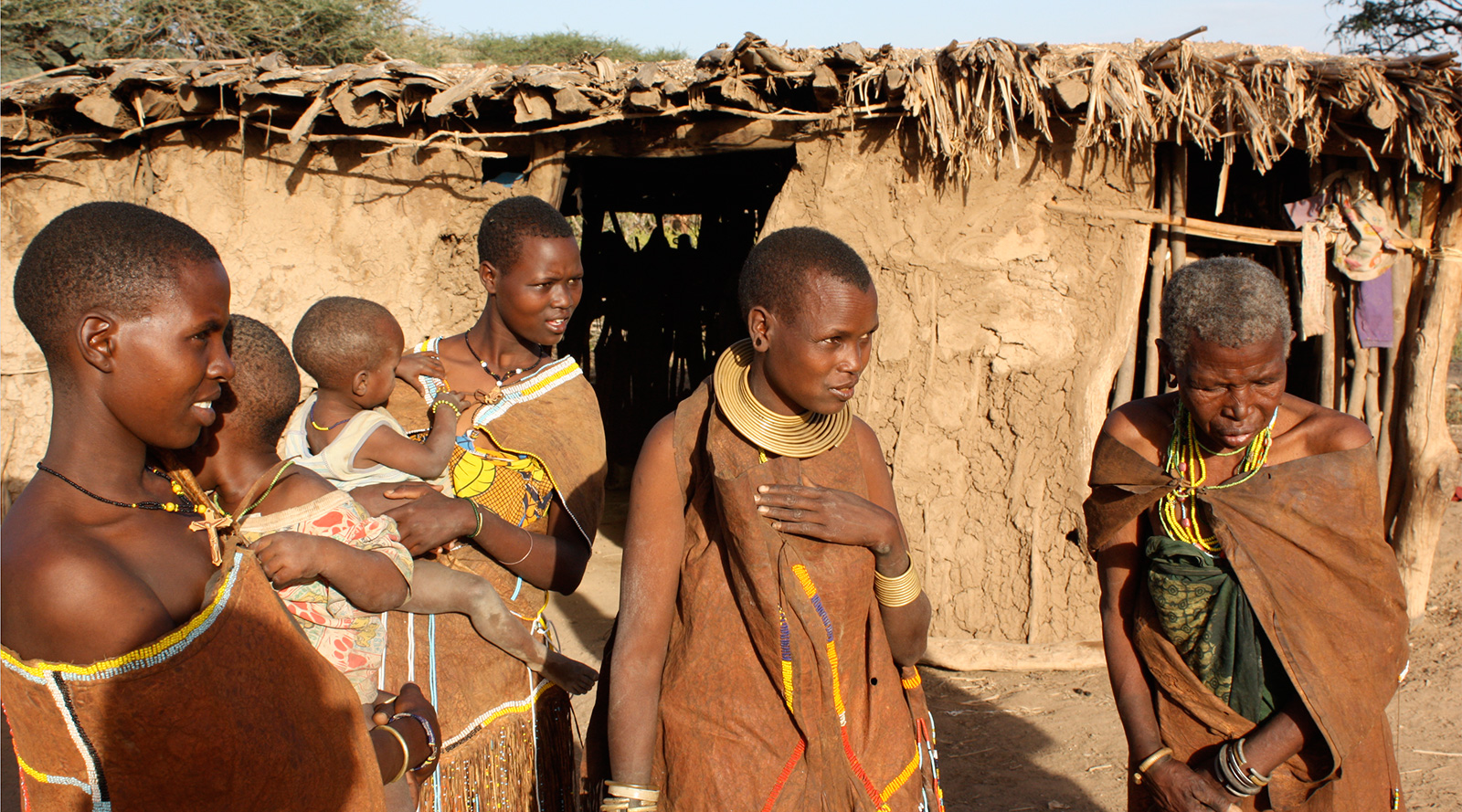
The Hadzabe, who traditionally live around the Lake Eyasi region of northern Tanzania, offer travelers an opportunity to learn about one of Tanzania’s distinctive hunter-gatherer cultures.
A cultural visit to the Lake Eyasi area can be very different from a conventional village tour.
Visitors may learn about traditional hunting techniques, gathering practices, local knowledge of plants, storytelling and aspects of the community’s relationship with the surrounding environment.
Because cultural experiences involve real communities rather than staged attractions, travelers should approach visits with sensitivity and respect.
The objective should be to listen and learn rather than expecting people to perform their daily lives for visitors.
Discover Chagga Culture Around Mount Kilimanjaro
Travelers climbing Mount Kilimanjaro often have the opportunity to discover the culture of communities living around the mountain.
The Chagga people have a long history in the Kilimanjaro area, and their traditional agricultural practices have developed around the fertile slopes of the mountain.
A Chagga cultural experience can complement a Kilimanjaro trek particularly well.
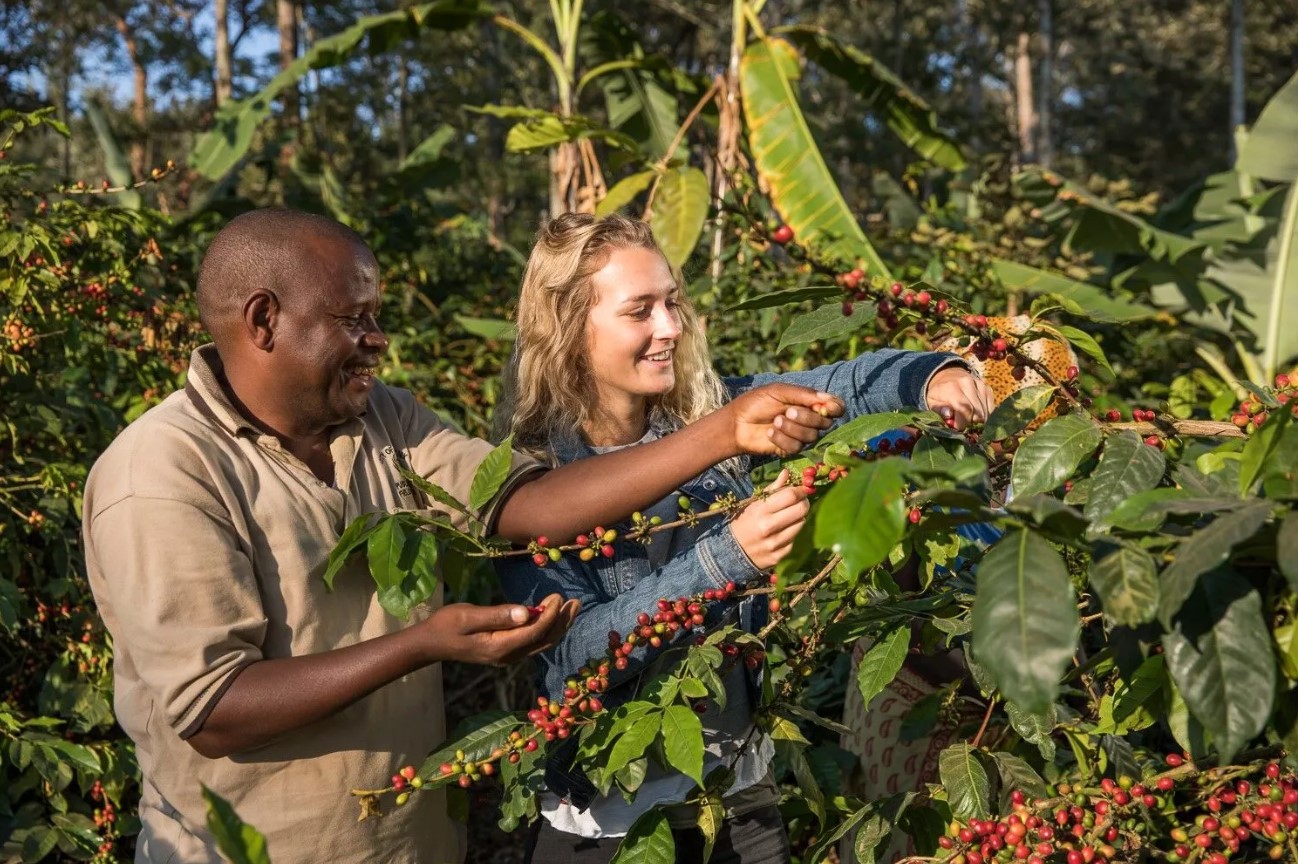
Visitors may explore villages, traditional homes, coffee-growing areas and local farms while learning about agriculture and the history of communities around Kilimanjaro.
Experience Traditional Tanzanian Coffee Culture
Northern Tanzania is also known for its coffee-growing communities, particularly around the slopes of Mount Kilimanjaro and other highland areas.
A coffee experience can provide an interesting connection between agriculture, culture and local livelihoods.
Travelers can learn how coffee is grown, harvested, processed and prepared before enjoying a freshly prepared cup.
Instead of simply drinking coffee at a café, visitors gain an understanding of the people and agricultural processes behind it.
For coffee lovers, this can be an excellent addition to a Kilimanjaro or northern Tanzania itinerary.
Visit Local Villages in Tanzania
Village visits can provide travelers with an opportunity to experience everyday life away from major tourist attractions.
Depending on the location, visitors may see local farming activities, markets, homes, schools, workshops and community projects.
A good village experience should be organized with the participation and consent of local residents.
It should also avoid presenting poverty as entertainment.
The goal is to create meaningful interaction and understanding while ensuring that tourism provides tangible benefits to the community.
Learn Traditional Tanzanian Cooking
Food is one of the easiest ways to connect with another culture.
A Tanzanian cooking experience can introduce travelers to local ingredients, preparation techniques and traditional dishes.
Depending on the region, travelers may learn how different communities prepare dishes using locally grown grains, vegetables, bananas, spices, meat or other ingredients.
Cooking with local hosts can also create a more relaxed environment for conversation and cultural exchange.
For families and travelers interested in food, this can be one of the most memorable additions to a Tanzania itinerary.
Explore Traditional Arts and Crafts
Tanzania has a rich tradition of handmade crafts.
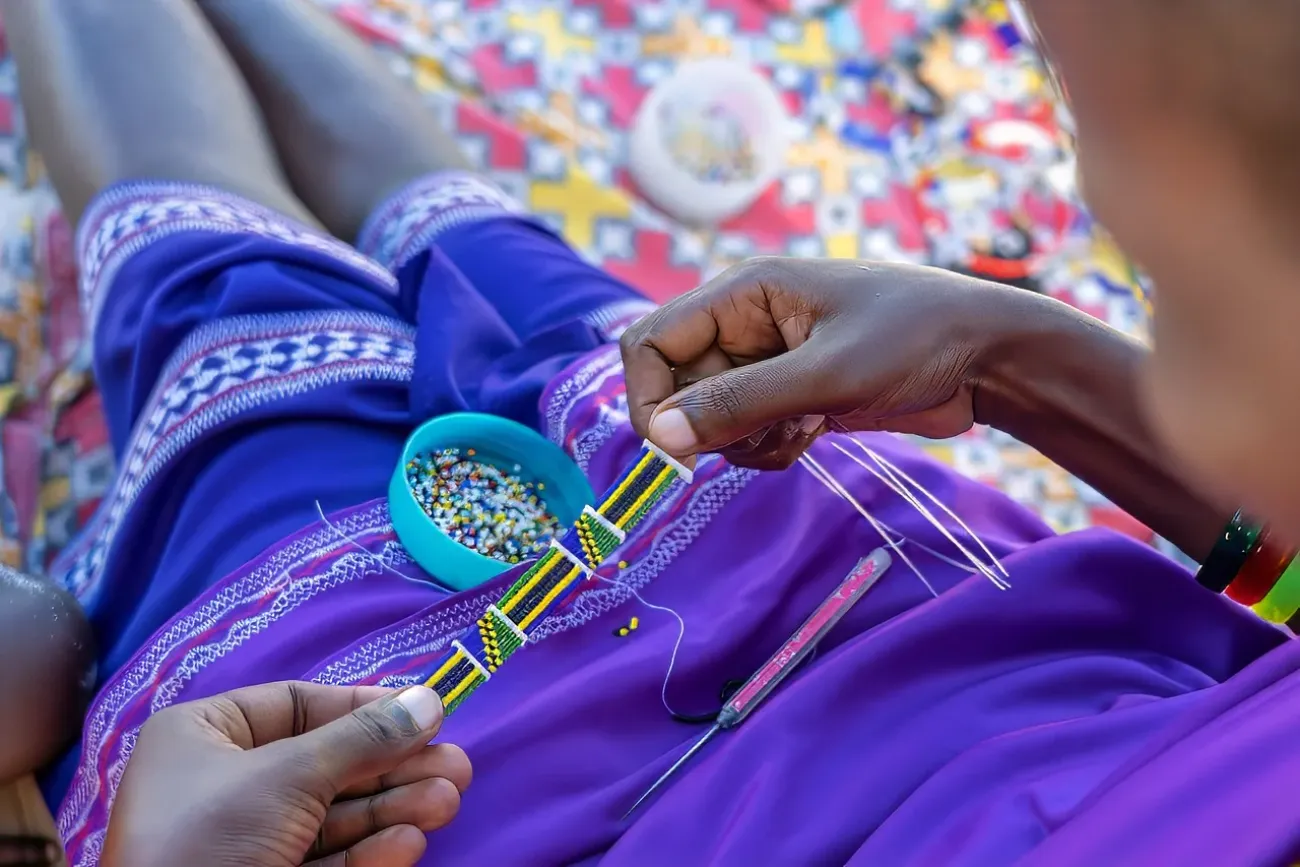
Beadwork, weaving, carving, painting, basketry and other forms of traditional craftsmanship can be found in different parts of the country.
A cultural tour can provide an opportunity to meet artisans and learn how particular products are made.
Purchasing authentic locally produced crafts can also help support small businesses and individual artisans.
Travelers should look for genuinely handmade products and ask questions about where and how they were produced.
Experience Traditional Music and Dance
Music and dance play important roles in many Tanzanian communities.
Depending on the community and itinerary, travelers may experience traditional performances during cultural visits, celebrations or organized community experiences.
Rather than simply watching a performance, some experiences allow visitors to learn about the meaning behind particular songs, dances and instruments.
This can provide a deeper understanding of how music is connected to community identity and social life.
Discover Tanzania’s Swahili Culture
Tanzania’s culture is not limited to mainland rural communities.
The country’s coastline and islands have a rich Swahili cultural heritage influenced by centuries of interaction between African, Arab, Persian, Indian and other cultures.
This heritage can be particularly experienced in coastal towns and historic settlements.
Stone Town in Zanzibar is one of the most prominent places to explore this history, with its narrow streets, historic buildings, markets, doors and long-established trading connections.
For travelers combining a safari or Kilimanjaro trek with Zanzibar, exploring Swahili culture can provide a fascinating contrast to the wildlife and mountain landscapes of northern Tanzania.
Cultural Tours Around Lake Eyasi
Lake Eyasi is one of the most interesting destinations for travelers seeking cultural experiences in northern Tanzania.
Located southwest of the Ngorongoro area, the region is associated with communities including the Hadzabe and Datoga.
A visit to Lake Eyasi can provide insight into different ways of life, traditional livelihoods and relationships with the surrounding environment.
Because the region is relatively different from the classic northern safari circuit, adding Lake Eyasi to an itinerary can create a more diverse Tanzania experience.
Learn About the Datoga Community
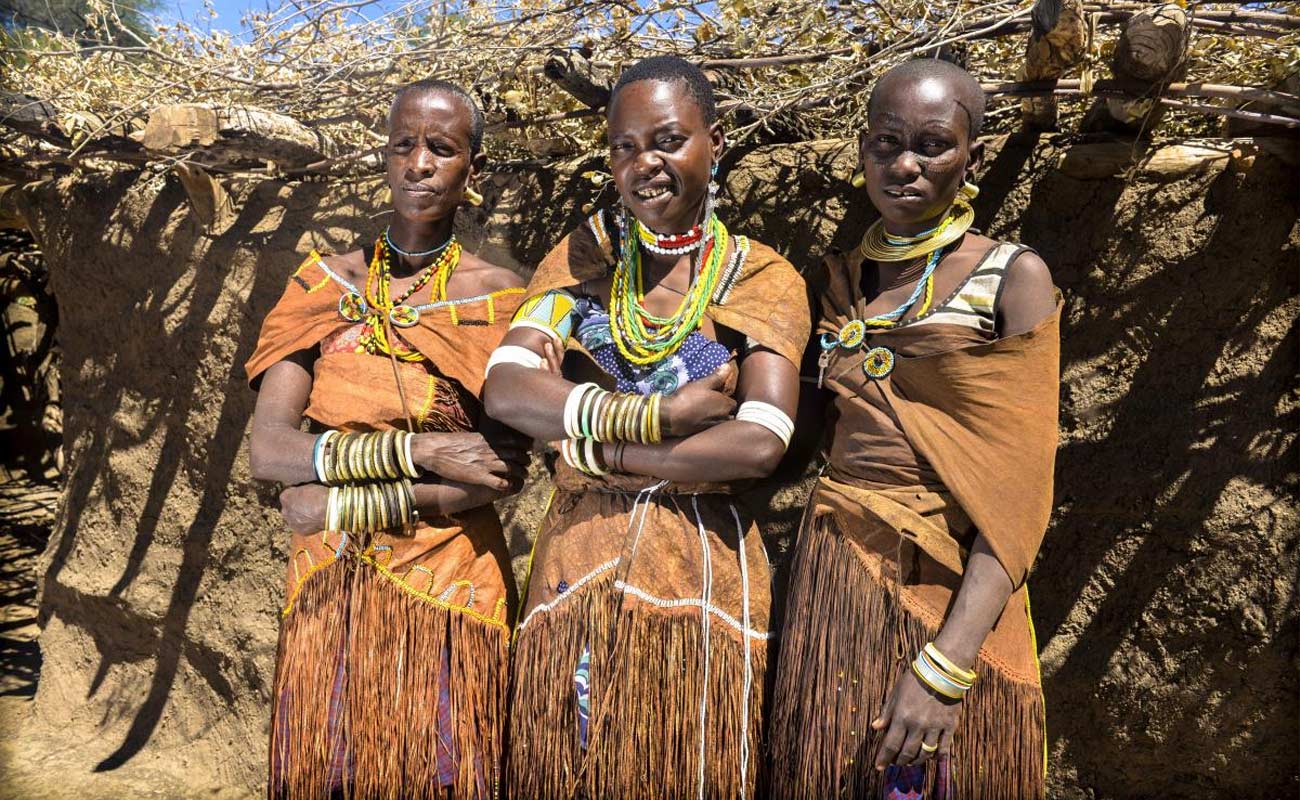
The Datoga are another community that travelers can encounter around the Lake Eyasi region.
Traditionally associated with pastoralism and metalworking, the Datoga have distinctive cultural traditions and craftsmanship.
A responsible cultural visit can provide an opportunity to learn about their livelihoods, traditional skills and community life.
Experiences should always be arranged respectfully and with local participation.
Cultural Tourism and Responsible Travel
Cultural tourism should always be approached responsibly.
When visiting communities, travelers should remember that they are entering people’s homes, workplaces and communities.
Ask before taking photographs, listen to your local guide, respect local customs and avoid making assumptions about people’s lives.
It is also important to choose cultural experiences where communities have meaningful involvement and receive a fair share of tourism benefits.
This connects closely with responsible tourism in Tanzania, where tourism can support communities while encouraging visitors to develop greater respect for local culture and heritage.
Ask Before Photographing People
Photography is an important part of many travelers’ Tanzania experiences, but cultural photography requires sensitivity.
Always ask permission before taking someone’s photograph, particularly when photographing children or participating in a private cultural activity.
If someone does not want to be photographed, respect their decision.
A respectful approach often leads to better interactions and more meaningful photographs anyway.
Support Local Communities Through Cultural Tourism
One of the potential benefits of cultural tourism is that it can provide additional income opportunities for local communities.
Travelers can contribute by choosing locally operated experiences, purchasing genuine local crafts, eating locally prepared food and using community-based guides where available.
This allows tourism spending to reach people who are directly involved in hosting visitors.
However, responsible travelers should not assume that every experience marketed as “community tourism” automatically benefits local people. It is reasonable to ask how the experience is organized and how tourism revenue supports the community.
Cultural Tourism Beyond the Famous Destinations
Many travelers associate Tanzania primarily with Serengeti, Ngorongoro and Kilimanjaro.
While these destinations are exceptional, cultural experiences provide an opportunity to explore another side of the country.
From communities around the Usambara Mountains to the cultural landscapes of northern Tanzania and the Swahili coast, there are many opportunities to discover Tanzania beyond the traditional tourist circuit.
For travelers who have more time, combining several different types of experiences can create a much richer journey.
Combine a Cultural Tour With a Tanzania Safari
A cultural experience can be easily incorporated into a Tanzania safari.
For example, a traveler could spend several days exploring Tarangire, Ngorongoro and Serengeti before visiting a local community near Lake Eyasi.
This combination provides two different perspectives of Tanzania: its spectacular wildlife and the people who have developed livelihoods within these broader landscapes.
A cultural experience can also be arranged before or after a safari, depending on the location and travel schedule.
Combine Cultural Experiences With a Kilimanjaro Trek
Kilimanjaro is another excellent opportunity to add cultural tourism to your Tanzania itinerary.
Before or after a mountain trek, travelers can explore Chagga communities around the slopes of Kilimanjaro, visit coffee-growing areas or discover local villages.
This can transform a Kilimanjaro trip from a purely physical challenge into a broader cultural experience.
Instead of simply climbing the mountain and leaving, travelers gain an opportunity to understand some of the communities and landscapes surrounding it.
How Many Days Do You Need for a Tanzania Cultural Tour?
The ideal duration depends on the type of experience you want.
A cultural activity can take just a few hours or a full day, making it easy to add to a safari itinerary.
For travelers specifically interested in cultural tourism, spending two to four days exploring different communities and destinations can provide a more immersive experience.
Longer journeys can combine cultural experiences with hiking, wildlife, local food, conservation projects and other activities.
The advantage of a private itinerary is that the experience can be designed around your interests rather than following a fixed schedule.\
What Is the Best Time for Cultural Tours in Tanzania?
Cultural experiences can generally be enjoyed throughout the year.
Unlike wildlife viewing, where seasonal conditions can influence animal movements, cultural tourism is often less dependent on a particular season.
However, the best timing depends on the specific community, activity and wider itinerary.
If your cultural experience is being combined with a safari or Kilimanjaro trek, it makes sense to plan the cultural component around the best overall travel conditions for the complete journey.
What Should You Wear on a Tanzania Cultural Tour?
Travelers should dress respectfully when visiting local communities.
Comfortable, modest clothing is generally appropriate, particularly when visiting rural communities or religious and culturally significant places.
Lightweight clothing can be useful in warm areas, while a light jacket or warmer layers may be necessary in highland regions.
Your local guide can also advise you about appropriate clothing for specific communities or cultural activities.
What Should You Bring on a Cultural Tour?
A small daypack is usually sufficient for most cultural experiences.
It can contain drinking water, sunscreen, a hat, comfortable walking shoes, insect repellent, a camera and any personal essentials you may need during the day.
It is also useful to carry some Tanzanian shillings for appropriate purchases from local vendors, although payment options can vary depending on the destination.
Most importantly, bring an open mind and willingness to learn.
Are Tanzania Cultural Tours Suitable for Families?
Yes. Cultural experiences can be excellent for families because they provide educational opportunities beyond traditional sightseeing.
Children can learn about farming, food, crafts, music, traditional homes and different ways of life.
Parents should choose age-appropriate experiences and ensure that children understand the importance of respecting local people and asking permission before taking photographs.
A cultural experience can be particularly valuable for children who are interested in geography, history, nature and different cultures.
Are Tanzania Cultural Tours Suitable for Solo Travelers?
Yes.
Solo travelers can benefit greatly from cultural experiences because they provide opportunities to meet local people and learn more about Tanzania.
A private cultural experience can also be tailored around a solo traveler’s interests, whether that means photography, food, traditional crafts, history, agriculture or community life.
For solo travelers, using a reputable local operator and guide can make cultural visits easier, more comfortable and more meaningful.
What Makes a Cultural Experience Authentic?
Authenticity is one of the most important considerations when choosing a cultural tour.
An authentic experience does not necessarily mean seeing something that has never been visited by tourists.
Instead, it means having a genuine opportunity to learn from local people without unnecessary staging or exploitation.
Look for experiences where community members have an active role, where cultural information is presented accurately and respectfully, and where tourism provides meaningful benefits to local people.
The best cultural experiences are often those that encourage conversation and learning rather than simply presenting a short performance for visitors.
Why Choose Trek and Hide Adventures for Tanzania Cultural Experiences?
At Trek and Hide Adventures, we understand that Tanzania is much more than its famous wildlife destinations.
Our approach to cultural tourism is based on creating experiences that allow travelers to discover Tanzania’s people, traditions and landscapes respectfully.
Whether you are interested in Maasai culture, Chagga traditions around Mount Kilimanjaro, Hadzabe and Datoga experiences around Lake Eyasi, local food, coffee, crafts, village life or Swahili heritage, we can help incorporate cultural experiences into a wider Tanzania itinerary.
We also believe cultural tourism should be approached responsibly. Local communities should be treated with dignity, visitors should respect local customs, and experiences should create meaningful opportunities for local participation and benefit.
Whether you are traveling alone, as a couple, with family or as a group of friends, a cultural experience can be designed around your interests and combined with a safari, Kilimanjaro trek, hiking adventure or Zanzibar holiday.
Final Thoughts: Experience the People Behind the Destination
A Tanzania holiday can introduce you to extraordinary landscapes and wildlife, but the country’s people and cultures can make the experience even more memorable.
A cultural tour gives you the chance to slow down, listen, learn and see Tanzania from a different perspective.
You may walk through a village, learn how local coffee is produced, share a meal, discover traditional crafts, listen to stories, explore Swahili heritage or learn about the relationship between communities and their surrounding environment.
These experiences remind us that Tanzania is not simply a destination to visit. It is a country of diverse communities, histories and traditions.
Travel beyond the ordinary. Meet the people, learn the stories and experience Tanzania with purpose.
With Trek and Hide Adventures, your Tanzania cultural journey can become an opportunity to discover the country beyond the safari vehicle and create memories that connect you more deeply with the people and places you encounter.