
Tanzania Weather and Climate: Best Time to Visit Tanzania for Safari, Kilimanjaro & Zanzibar
Discover Tanzania weather and climate by month, including dry and rainy seasons, safari conditions, Kilimanjaro weather, Zanzibar climate and the best time to visit Tanzania.
Planning a trip to Tanzania and wondering about the Tanzania weather and climate? Understanding the country’s seasons can help you choose the right time for a safari, a Mount Kilimanjaro climb, a beach holiday in Zanzibar, or a combination of several experiences.
Tanzania is a year-round travel destination, but weather conditions vary significantly depending on where you go and what you want to do. The climate around the Serengeti is different from the weather on Mount Kilimanjaro, while the tropical islands of Zanzibar remain warm and humid for much of the year.
Tanzania generally experiences warm temperatures throughout the year, with variations influenced by altitude, proximity to the Indian Ocean, rainfall patterns and geography. According to the Tanzania Meteorological Authority, long-term average temperatures across different stations in the country range from approximately 14.7°C to 27.5°C. The warmer period generally occurs from October through February or March, while cooler conditions are more common from May through August.
For travelers, this means there is no single “best” month for every destination. The best time to visit Tanzania depends on whether your priority is wildlife viewing, the Great Migration, climbing Kilimanjaro, relaxing on Zanzibar’s beaches, birdwatching, photography, or experiencing Tanzania with fewer visitors.
Tanzania Climate at a Glance
Tanzania lies close to the Equator, but its climate is far more diverse than the country’s equatorial location might suggest.
Altitude is one of the most important factors affecting temperatures. Low-lying areas and the coast can be hot and humid, while the northern highlands around Arusha, Mount Kilimanjaro and Ngorongoro can be considerably cooler. At high elevations on Mount Kilimanjaro, temperatures can fall below freezing, particularly around the summit.
Rainfall is also highly seasonal. Northern Tanzania, including the Kilimanjaro, Arusha and Manyara areas, generally experiences two main rainy seasons: the short rains from October to December and the long rains from March to May. January and February are generally relatively dry in these areas.
Much of central, western and southern Tanzania follows a different rainfall pattern, with one principal rainy season generally occurring from November through April or May. June through September is generally the driest period across the country.
Tanzania Weather Seasons
Although weather patterns can vary from year to year, Tanzania’s climate can broadly be understood through four travel periods: the dry season, the short rains, the warm period at the beginning of the year, and the long rains.
June to October: Dry Season
June through October is generally considered one of the best periods for a Tanzania safari.
Rainfall is limited across much of the country, roads in safari areas are generally drier, and vegetation becomes less dense as the dry season progresses. These conditions can make wildlife easier to spot, particularly around permanent water sources.
The months of July, August, September and October are particularly popular for safari travel. Visitors may enjoy excellent game-viewing conditions in destinations such as the Serengeti, Ngorongoro Conservation Area and Tarangire National Park.
The dry season is also a popular time for climbing Mount Kilimanjaro. Clearer conditions can provide excellent mountain views, although weather on the mountain remains unpredictable because of altitude.
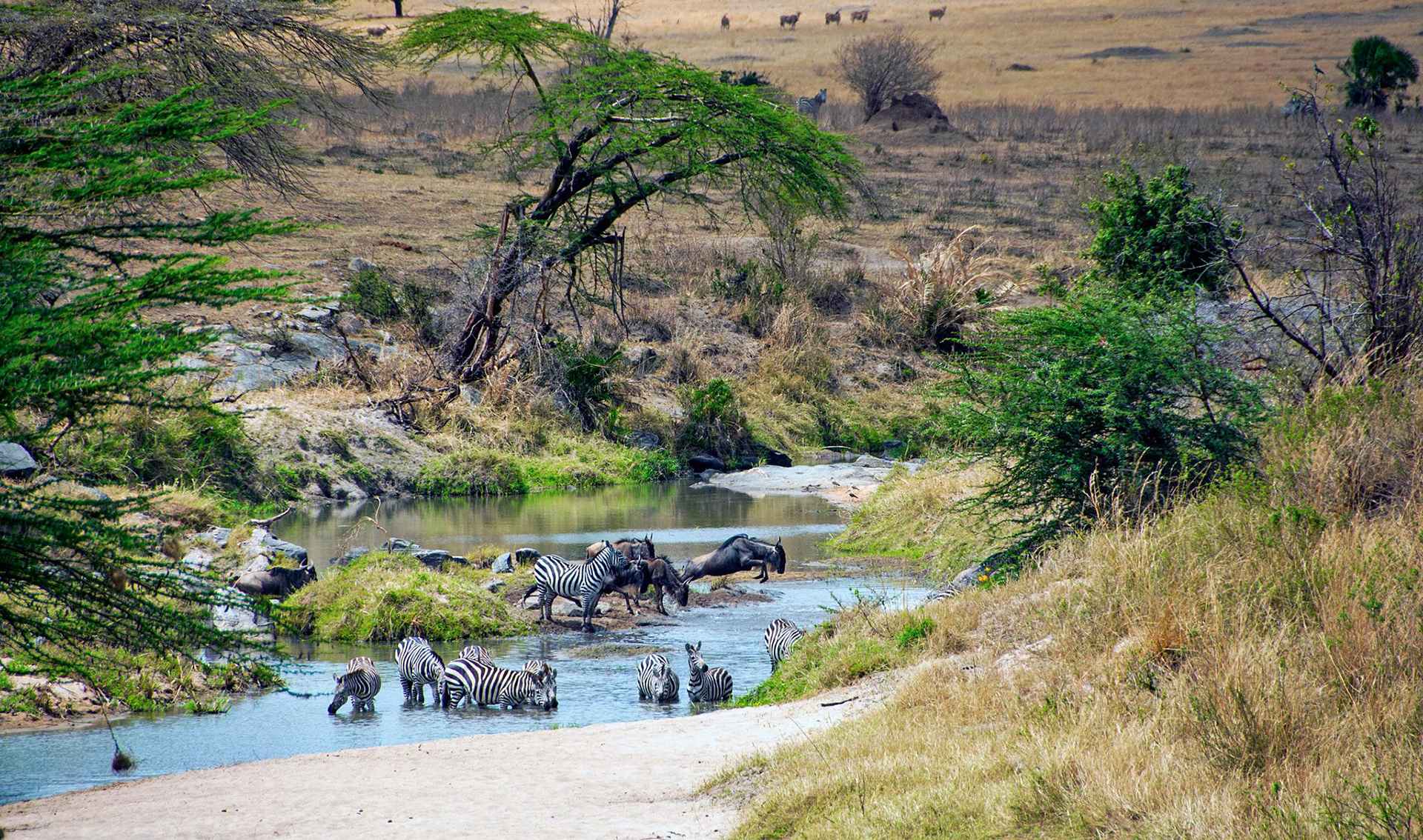
For travelers interested in the Great Wildebeest Migration, July to October is also an important period, particularly for those hoping to witness dramatic river crossings in the northern Serengeti. However, migration movements are influenced by rainfall and grazing conditions, so exact locations and dates cannot be guaranteed.
November to December: Short Rains
Northern Tanzania generally receives its short rains between October and December. These rains are often characterized by showers rather than continuous rainfall throughout the day, although conditions vary.
The landscape begins to turn greener, dust levels can decrease, and the renewed vegetation can create excellent photography conditions.
For safari travelers, the short-rain period can be rewarding because the parks become greener and visitor numbers can be lower than during the busiest dry-season months.
November and December can therefore be attractive for travelers looking for a balance between wildlife, scenery and a quieter safari experience.
January to February: Warm and Relatively Dry
January and February are generally relatively dry in many parts of northern Tanzania between the two main rainy periods.
Temperatures are often warm at lower elevations, while mornings and evenings in the northern highlands can remain cool.
This period is particularly interesting for travelers planning a Tanzania safari in January or February, especially those interested in the southern Serengeti and Ndutu area during the wildebeest calving season.
The combination of fresh grass, young wildebeest and predator activity can make this a remarkable period for wildlife photography and safari experiences.
January through March can also be suitable for climbing Mount Kilimanjaro, although mountain weather can change quickly and conditions at higher elevations are much colder than at the base.
March to May: Long Rains
March through May is the main long-rain season in northern Tanzania.
The long rains are locally known as Masika and generally occur from March through May in regions with a bimodal rainfall pattern, including northeastern Tanzania.
Rainfall during this period can be heavier and more persistent than during the short-rain season. However, this does not mean that Tanzania shuts down for tourism.
The green landscapes can be spectacular, wildlife remains present, and travelers who are comfortable with changing weather can enjoy fewer crowds and potentially better-value accommodation.
For photography enthusiasts, the combination of dramatic skies, fresh vegetation, soft light and fewer vehicles can produce memorable images.
Tanzania Weather by Month
Tanzania Weather in January
January is generally warm and relatively dry in northern Tanzania, although local showers can occur.
It is an excellent month for combining a safari with other experiences, and the southern Serengeti can be particularly attractive for travelers interested in the calving season.
On Mount Kilimanjaro, conditions can be favorable for climbing, although rain and cloud are always possible.
Tanzania Weather in February
February is generally warm, with relatively dry conditions in many northern areas.
The Serengeti’s southern plains can be particularly rewarding during the calving period. This is also a popular time for travelers combining safari and Zanzibar.
Kilimanjaro climbing is possible during February, with generally favorable conditions, although temperatures drop dramatically with increasing altitude.
Tanzania Weather in March
March marks the transition toward the long-rain season in northern Tanzania.
Early March can still offer good safari conditions, while rainfall becomes increasingly likely later in the month.
Travelers visiting during March should be prepared for changing weather but can benefit from greener landscapes and fewer visitors.
Tanzania Weather in April
April is generally one of the wetter months in northern Tanzania.
Rainfall can affect road conditions in some safari areas, but the scenery can be exceptionally green. Travelers who prioritize landscapes, photography and quieter travel may still enjoy Tanzania during April.
April is generally not the first choice for travelers seeking the driest possible safari conditions.
Tanzania Weather in May
May is part of the long-rain period, although rainfall patterns can vary from year to year.
The countryside remains green and beautiful, while tourist numbers can be lower than during the main dry season.
For travelers who do not mind occasional rain, May can offer a more peaceful Tanzania experience.
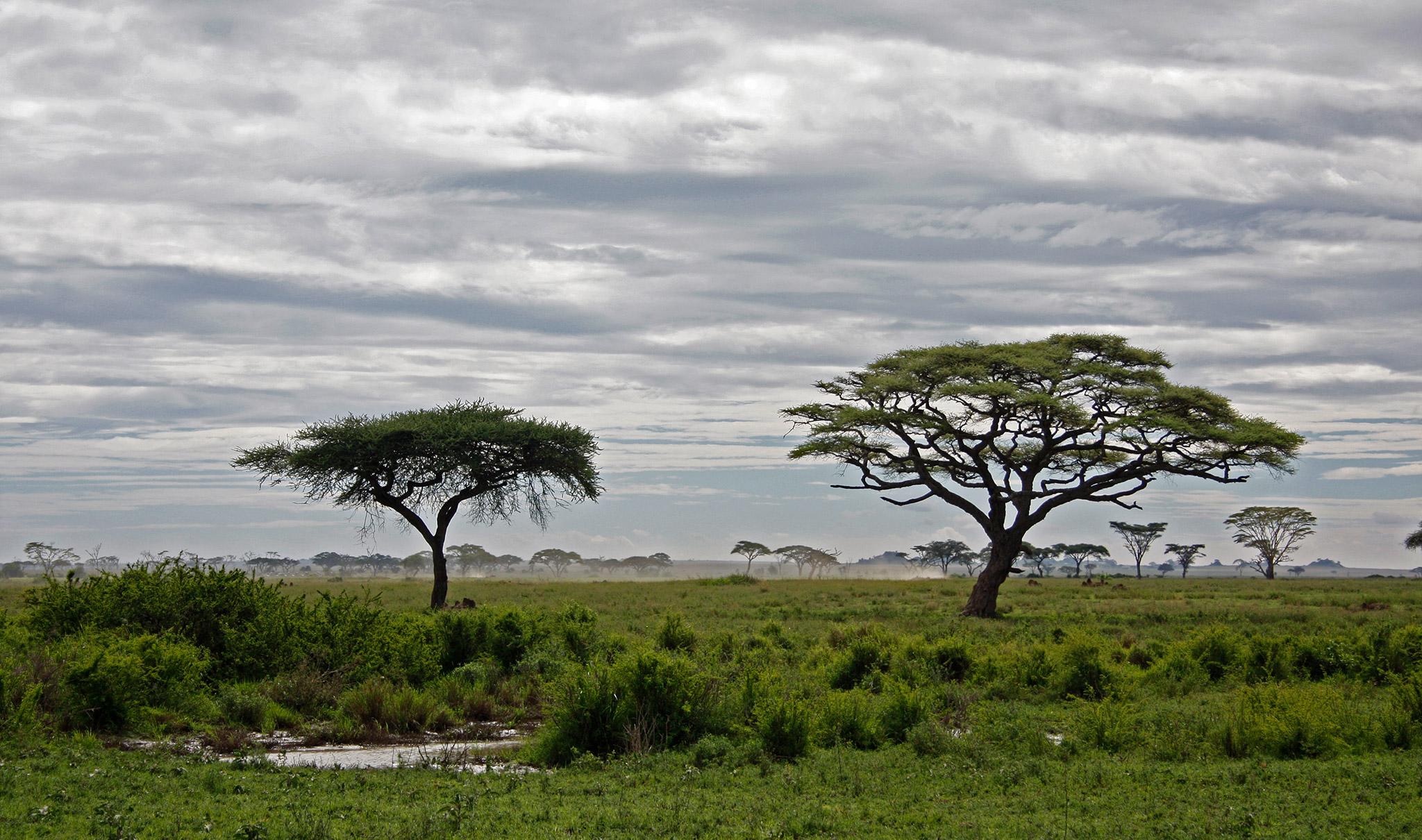
Tanzania Weather in June
June marks the beginning of the main dry season across much of Tanzania.
Conditions generally become drier, making this an increasingly popular month for safari travel. The vegetation begins to thin in many wildlife areas, improving visibility.
June is also a popular month for Kilimanjaro climbs.
Tanzania Weather in July
July is one of the most popular months for visiting Tanzania.
Dry weather, comfortable daytime conditions and excellent wildlife-viewing opportunities make July particularly attractive for safari travelers.
It is also a popular period for witnessing stages of the Great Wildebeest Migration, depending on the migration’s location that year.
Tanzania Weather in August
August is typically dry and relatively cool, especially in the mornings and evenings.
It is an excellent month for safari, wildlife photography and Kilimanjaro climbing.
Because August is a popular travel month, travelers should consider booking accommodation and safari arrangements well in advance.
Tanzania Weather in September
September generally continues the dry-season pattern.
Wildlife viewing can be excellent, vegetation is relatively sparse in many safari areas, and permanent water sources can attract animals.
September is also a popular month for Kilimanjaro and safari combinations.
Tanzania Weather in October
October is generally warm and relatively dry, although the transition toward the short-rain season can begin in some areas.
It is often an excellent month for safari because wildlife remains relatively easy to spot while landscapes can still retain some dry-season characteristics.
Tanzania Weather in November
November generally marks the beginning of the short-rain period in northern Tanzania.
Short showers can refresh the landscape and produce greener scenery. Safari conditions can remain rewarding, particularly for travelers who prefer fewer crowds.
Tanzania Weather in December
December is warm, with short rains affecting many northern and coastal areas.
The combination of green scenery, festive-season travel and wildlife opportunities makes December an attractive month for Tanzania holidays.
However, Christmas and New Year are popular travel periods, so early planning is recommended.
Best Time to Visit Tanzania for Safari
There is no single answer to the question “When is the best time to visit Tanzania for safari?” because different seasons provide different experiences.
For classic dry-season wildlife viewing, June to October is one of the strongest periods.
For the wildebeest calving season, January to March can be particularly rewarding, especially in the southern Serengeti and Ndutu region.
For green landscapes, dramatic skies and fewer visitors, the wetter months can offer a different kind of safari experience.
The official Tanzania tourism platform highlights the country’s safari destinations, including the Serengeti and other wildlife areas, as year-round travel experiences.
Best Time to Visit the Serengeti
The Serengeti can be visited throughout the year, but the best period depends on what you want to see.
The dry season from approximately June to October is popular for general wildlife viewing. January to March is particularly interesting for the wildebeest calving period in the southern Serengeti and Ndutu area.
The timing and location of the Great Migration change naturally according to rainfall and available grazing. Therefore, travelers should avoid treating migration dates as fixed.
A knowledgeable safari operator can help select the right region based on your travel dates and current seasonal conditions.
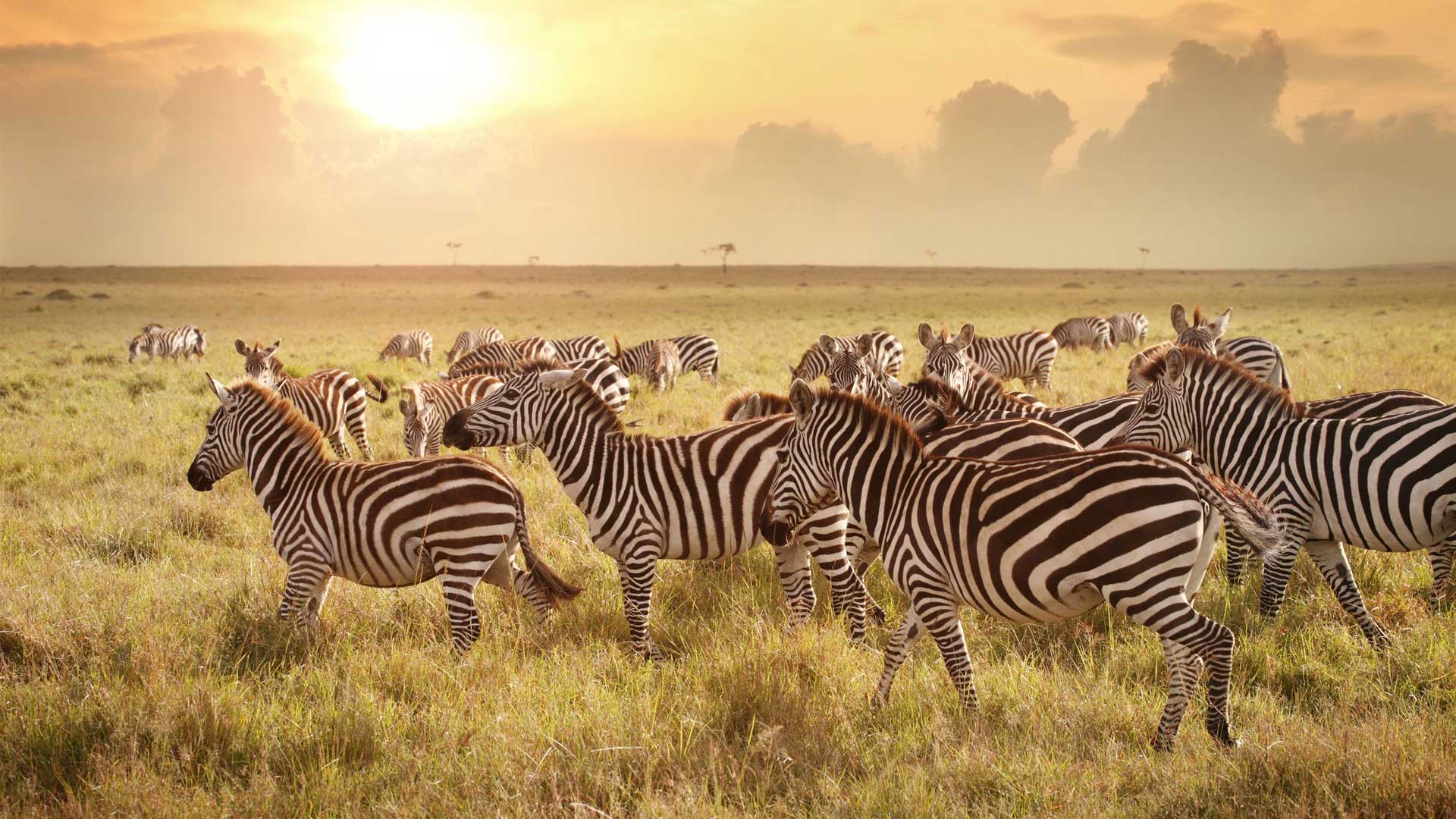
Best Time to Visit Ngorongoro Crater
Ngorongoro Crater is another destination that can be visited throughout the year.
The dry season can make wildlife easier to spot, while the green season brings beautiful scenery and excellent photographic opportunities.
Because the crater has a unique ecosystem and permanent water sources, wildlife remains present even when conditions change elsewhere.
Best Time to Visit Tarangire National Park
Tarangire is particularly famous for its large elephant populations and enormous baobab trees.
During the dry season, wildlife often concentrates around available water sources, which can make game viewing particularly rewarding.
The park can also be beautiful during the green season when vegetation is refreshed by rainfall.
Tanzania Weather and Mount Kilimanjaro
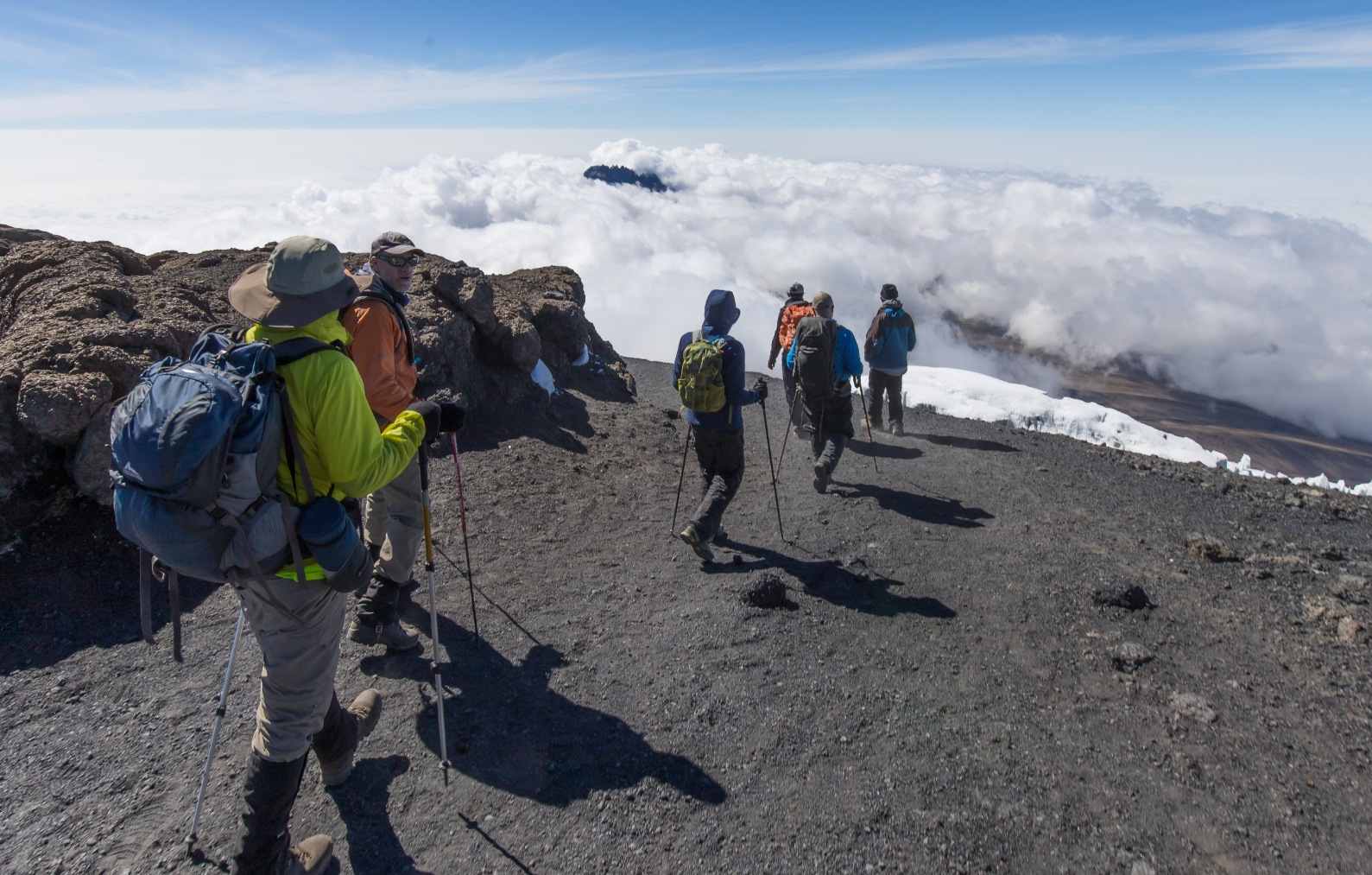
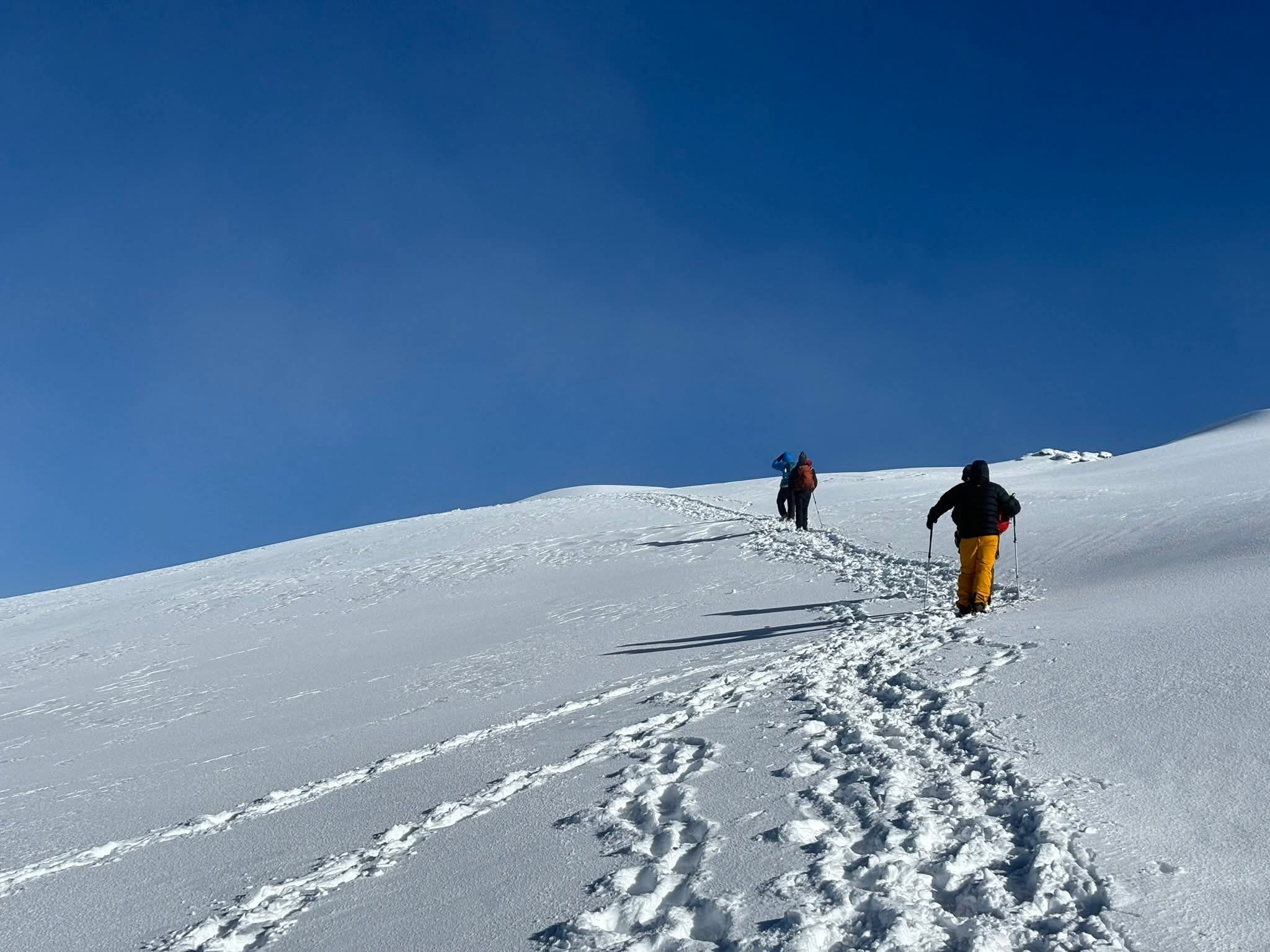
Mount Kilimanjaro has its own climate system because of its enormous elevation.
The weather at the mountain’s base can be warm while conditions near the summit are extremely cold.
As climbers gain altitude, they pass through several ecological zones, from cultivated land and rainforest to moorland, alpine desert and the Arctic-like summit environment.
This means that Kilimanjaro weather cannot be described simply by the temperature in Moshi or Arusha.
A successful climb requires preparation for rain, sun, wind, cold temperatures and potentially snow or ice near the summit.
The most popular climbing periods generally coincide with the country’s relatively drier seasons, particularly around June to October and January to March. Nevertheless, mountain weather is unpredictable and no month guarantees perfect conditions.
Tanzania Weather and Zanzibar
Zanzibar has a tropical coastal climate and remains warm throughout the year.
Because the islands are influenced strongly by the Indian Ocean, temperatures are generally higher and humidity is greater than in the northern highlands.
Zanzibar experiences the long rains around March to May and shorter rains around October to December. The Tanzania Meteorological Authority identifies Zanzibar among the areas that generally experience a bimodal rainfall regime.
For travelers planning a Tanzania safari and Zanzibar holiday, the dry-season months can be particularly convenient because they provide good conditions for combining wildlife and beach activities.
However, Zanzibar can be visited outside the peak dry season as well, and the best timing depends on your preferred balance between weather, activities, crowds and budget.
The official Tanzania tourism website also promotes Tanzania’s coast and islands as a natural extension to safari travel.
Tanzania Weather by Destination
Different destinations have different climates, so it is useful to think about Tanzania region by region.
Northern Tanzania
Northern Tanzania includes Arusha, Kilimanjaro, Manyara, Ngorongoro and Serengeti.
This region generally experiences two rainy seasons: the short rains from October to December and the long rains from March to May. January and February are relatively dry between these periods.
Southern Tanzania
Destinations such as Nyerere National Park, Ruaha National Park and Mikumi experience different rainfall patterns from northern Tanzania.
Many southern and central areas generally follow a unimodal rainfall pattern, with the main rainy period occurring from around November through April or May.
Western Tanzania
Western destinations such as Katavi and parts of the Lake Tanganyika region also generally experience a single principal rainy season.
Their remoteness and seasonal accessibility can make weather an especially important consideration when planning a safari.
Coastal Tanzania and Zanzibar
The coast and islands experience warm, humid tropical conditions throughout much of the year.
Rainfall follows a bimodal pattern, with the long rains generally occurring from March to May and short rains from October to December.
Is Tanzania Too Hot for a Safari?
For most travelers, Tanzania’s temperatures are manageable, particularly when safari activities are scheduled around the cooler parts of the day.
Game drives commonly begin early in the morning when temperatures are cooler and wildlife is often active. Afternoon conditions can become warmer, particularly at lower elevations.
The coastal areas can feel considerably hotter and more humid than the northern highlands.
Altitude also makes a major difference. Arusha and many highland areas can have pleasantly cool mornings and evenings, while the Serengeti can become considerably warmer during the day.
Does It Rain Every Day During Tanzania’s Rainy Season?
No.
One of the most common misconceptions about traveling to Tanzania during the rainy season is that it rains continuously throughout the day.
Rainfall patterns vary by region and season. During some periods, rainfall can occur as afternoon or evening showers, while other periods may bring heavier or more prolonged rain.
The exact weather changes from year to year, and travelers should think of Tanzania’s seasons as general climate patterns rather than guarantees.
The Tanzania Meteorological Authority notes that rainfall variability is influenced by several large-scale factors, including the movement of the Inter-Tropical Convergence Zone, the East African Monsoon and phenomena such as ENSO.
What Should You Pack for Tanzania Weather?
Your packing list should reflect the destinations and season of your trip.
For a safari, lightweight breathable clothing, comfortable walking shoes, sun protection, a hat and a light jacket are useful. Early-morning game drives can be surprisingly cool, so layers are recommended even during warmer months.
If you are visiting during a rainy period, a lightweight waterproof jacket can be valuable.
For Zanzibar, lightweight tropical clothing, swimwear, sun protection and sandals are appropriate, while travelers should also remember that Zanzibar has its own cultural expectations, particularly away from resort beaches.
For Mount Kilimanjaro, clothing requirements are much more extensive because temperatures fall dramatically with altitude. Proper thermal layers, insulating clothing, waterproof outerwear, gloves and a warm hat are essential.
Tanzania Weather for Photography
Weather plays an important role in Tanzania’s photographic experience.
Dry-season landscapes can offer excellent visibility, open vegetation and concentrated wildlife.
The green season, on the other hand, can produce dramatic skies, lush vegetation, fresh colors and beautiful soft light.
Cloud formations around Mount Kilimanjaro can also create spectacular photographs, although clouds can obscure the summit.
For photographers, therefore, the “best” weather is not necessarily the driest weather. Different seasons create different visual opportunities.
Tanzania Climate and Responsible Travel
Climate is also important when considering responsible tourism.
Seasonal rainfall influences vegetation, water availability, wildlife movement and local livelihoods. Tanzania’s tourism industry depends heavily on healthy ecosystems, so visitors can contribute by respecting park regulations, minimizing waste, conserving water and supporting locally owned businesses and communities.
The Tanzania tourism sector promotes experiences ranging from wildlife and mountain adventures to coastal and cultural tourism, reflecting the country’s diverse natural and cultural environments.
What Is the Best Month to Visit Tanzania?
If you want excellent general safari conditions, July, August and September are among the most popular choices.
If your main interest is the wildebeest calving season, January and February can be excellent choices.
If you want to climb Kilimanjaro, the relatively dry periods around January to March and June to October are commonly considered favorable, although mountain weather can change rapidly.
If you want a safari and Zanzibar combination, the dry-season months can make planning particularly straightforward, but the trip can be enjoyed in other seasons too.
Ultimately, the best month depends on what you want to experience rather than simply choosing the month with the least rainfall.
Tanzania Weather and Climate: Frequently Asked Questions
What is the best time to visit Tanzania?
The best time depends on your travel plans. June to October is generally excellent for classic safari conditions, while January to March can be particularly rewarding for the wildebeest calving season. Tanzania can be visited throughout the year.
What are the rainy seasons in Tanzania?
Northern Tanzania generally has two rainy seasons: the short rains from October to December and the long rains from March to May. Much of central, southern and western Tanzania follows a single main rainy season, generally from November to April or May.
Is Tanzania hot all year round?
Many parts of Tanzania are warm throughout the year, but temperatures vary significantly by altitude and region. Coastal areas are generally warmer and more humid, while highland areas such as Arusha and Kilimanjaro can be considerably cooler.
Does Tanzania have winter?
Tanzania does not experience winter in the traditional European or North American sense. However, June through August is generally the cooler period in many parts of the country.
What is the coldest month in Tanzania?
June, July and August are generally among the cooler months in many parts of Tanzania. However, temperatures vary greatly according to altitude and location.
Is Tanzania good to visit during the rainy season?
Yes. The rainy season can offer green landscapes, dramatic skies, fewer visitors and excellent photography opportunities. However, travelers should expect more variable weather and, in some locations, challenging road conditions.
What is the weather like on Mount Kilimanjaro?
Mount Kilimanjaro becomes progressively colder as altitude increases. Conditions near the summit can be freezing, even when temperatures at the mountain’s base are warm.
What is the weather like in Zanzibar?
Zanzibar has a warm tropical climate throughout the year, with higher humidity than the northern highlands. The island generally experiences long rains from March to May and short rains from October to December.
Plan Your Tanzania Adventure with Trek and Hide Adventures
Understanding Tanzania weather and climate is one of the most important parts of planning a successful trip.
Whether you are dreaming of watching lions and elephants across the Serengeti, witnessing the Great Wildebeest Migration, exploring the Ngorongoro Crater, climbing Mount Kilimanjaro or relaxing on the beaches of Zanzibar, choosing the right season can help you get more from your journey.
At Trek and Hide Adventures, we can help you plan your Tanzania experience around your preferred activities, travel dates and destinations. Rather than simply recommending one “best” month, we can help you understand what each season offers and create an itinerary that matches your travel goals.
Ready to plan your Tanzania adventure? Contact Trek and Hide Adventures and let us help you choose the right season for your safari, Kilimanjaro climb or Tanzania holiday.
Final Takeaway
Tanzania is a year-round destination, but its weather changes significantly according to season, region and altitude. The dry months are popular for traditional safari experiences, January to March can be excellent for the wildebeest calving season, the rainy seasons bring lush landscapes and fewer visitors, and the mountains and coast have their own distinct climates.
The most important thing is not simply asking “When is the best time to visit Tanzania?” but asking “What do I want to experience in Tanzania?”
Once you answer that question, choosing the right season becomes much easier.