
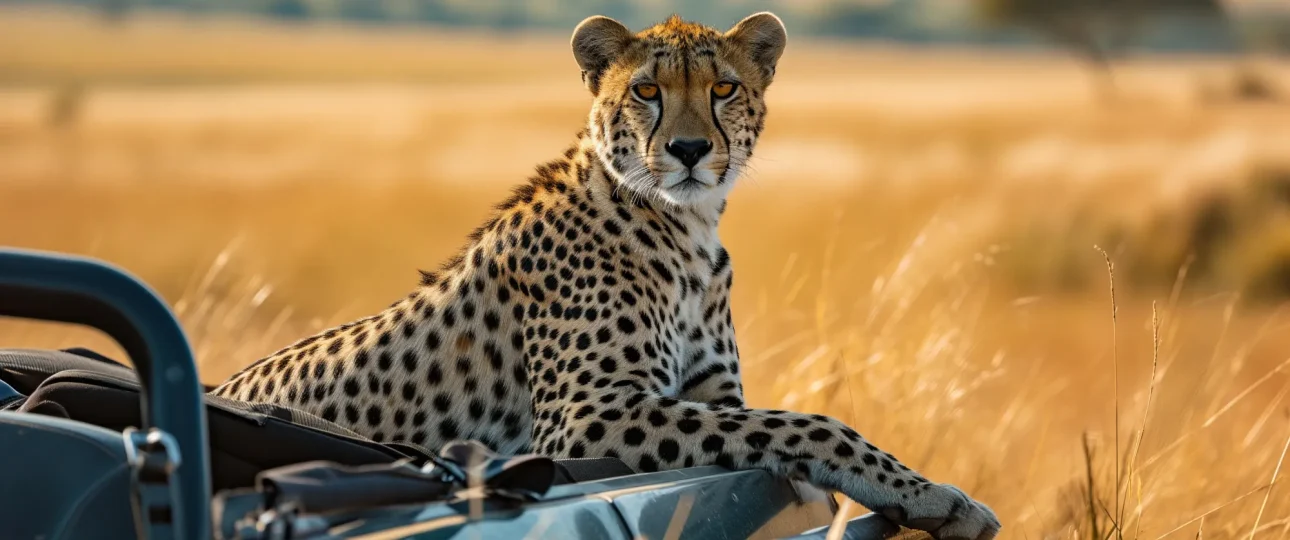
Tanzania Safari Safety Guidelines: A Complete Guide for Safe Wildlife Adventures
Tanzania Safari Safety Guidelines: Learn essential wildlife, travel, health and national park safety tips for a safe and enjoyable Tanzania safari.
A Tanzania safari is an extraordinary opportunity to experience some of Africa’s most spectacular wildlife and landscapes. From the vast plains of the Serengeti and the elephant-rich landscapes of Tarangire to the Ngorongoro Crater and the remote wilderness areas of southern Tanzania, a safari can be both exciting and highly rewarding.
However, a safari takes place in a natural environment where wild animals, remote roads, changing weather and long-distance travel require sensible preparation. Understanding Tanzania safari safety guidelines before your journey can help you enjoy the experience confidently while respecting wildlife, local communities and national park regulations.
At Trek and Hide Adventures, we believe that a great safari should be exciting and responsibly managed. Following your guide’s instructions, respecting wildlife and preparing appropriately are among the simplest ways to make your Tanzania safari safer and more enjoyable.
Is Tanzania Safe for a Safari?
Tanzania is a major safari destination with an established tourism industry, national parks, professional guides and well-developed safari routes. However, no travel destination can be considered completely risk-free.
Safety conditions can also vary by location and can change over time. Travelers should check current official travel advice before departure and understand the specific conditions affecting the areas included in their itinerary. For example, current UK government advice includes a specific warning for areas within 20 km of Tanzania’s border with Mozambique’s Cabo Delgado province, while other regions have different considerations.
For a typical northern Tanzania safari, the most relevant safety considerations are usually wildlife encounters, road travel, personal belongings, health, weather, remote locations and following park regulations.
Follow Your Safari Guide’s Instructions
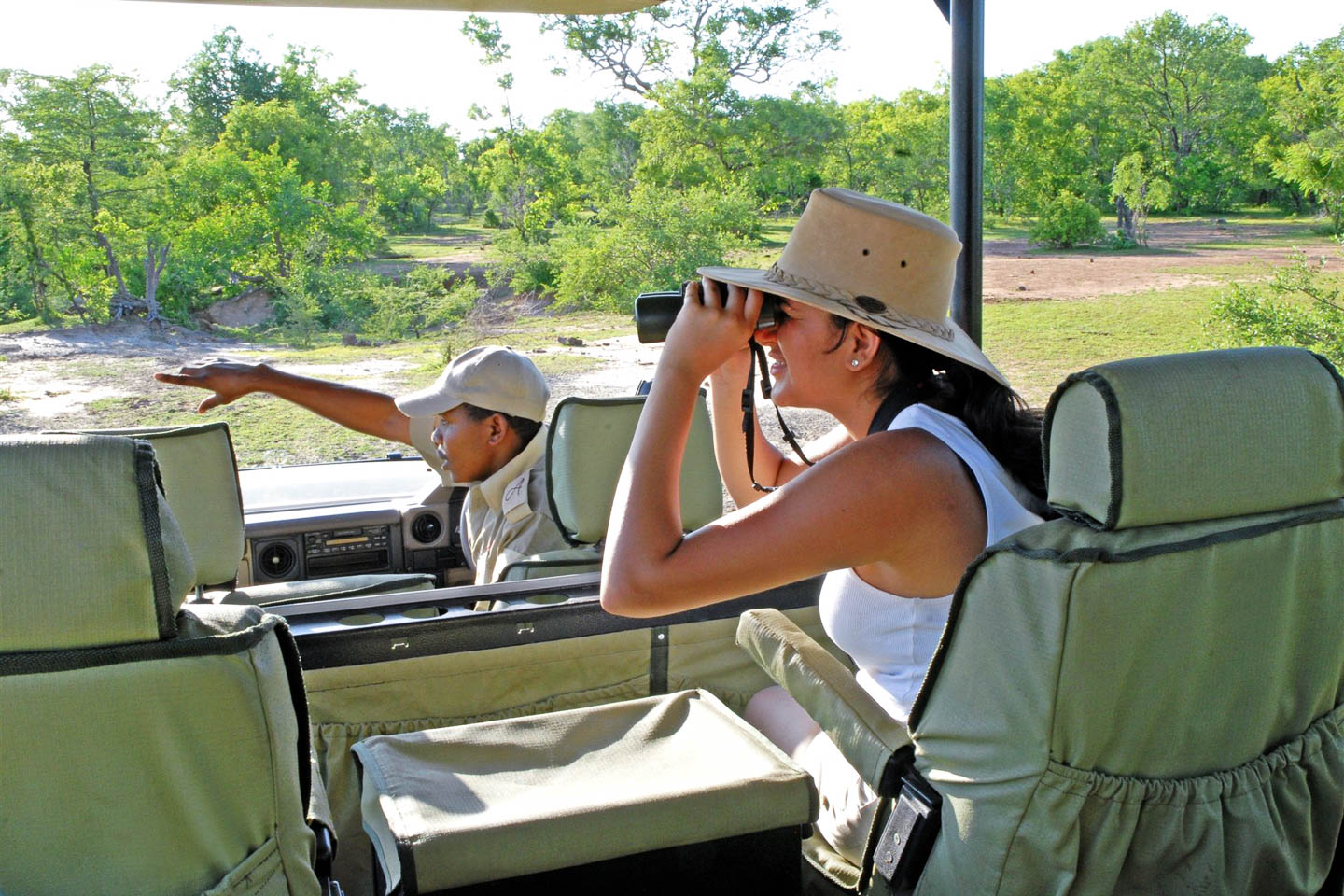
Your safari guide is your most important source of practical safety information during a game drive.
Professional guides understand animal behavior, park regulations, road conditions and the areas you are visiting. They know when it is appropriate to stop, when to maintain distance from an animal and when it is safer to remain inside the vehicle.
If your guide tells you to remain in the vehicle, keep quiet or move away from an animal, follow the instruction immediately.
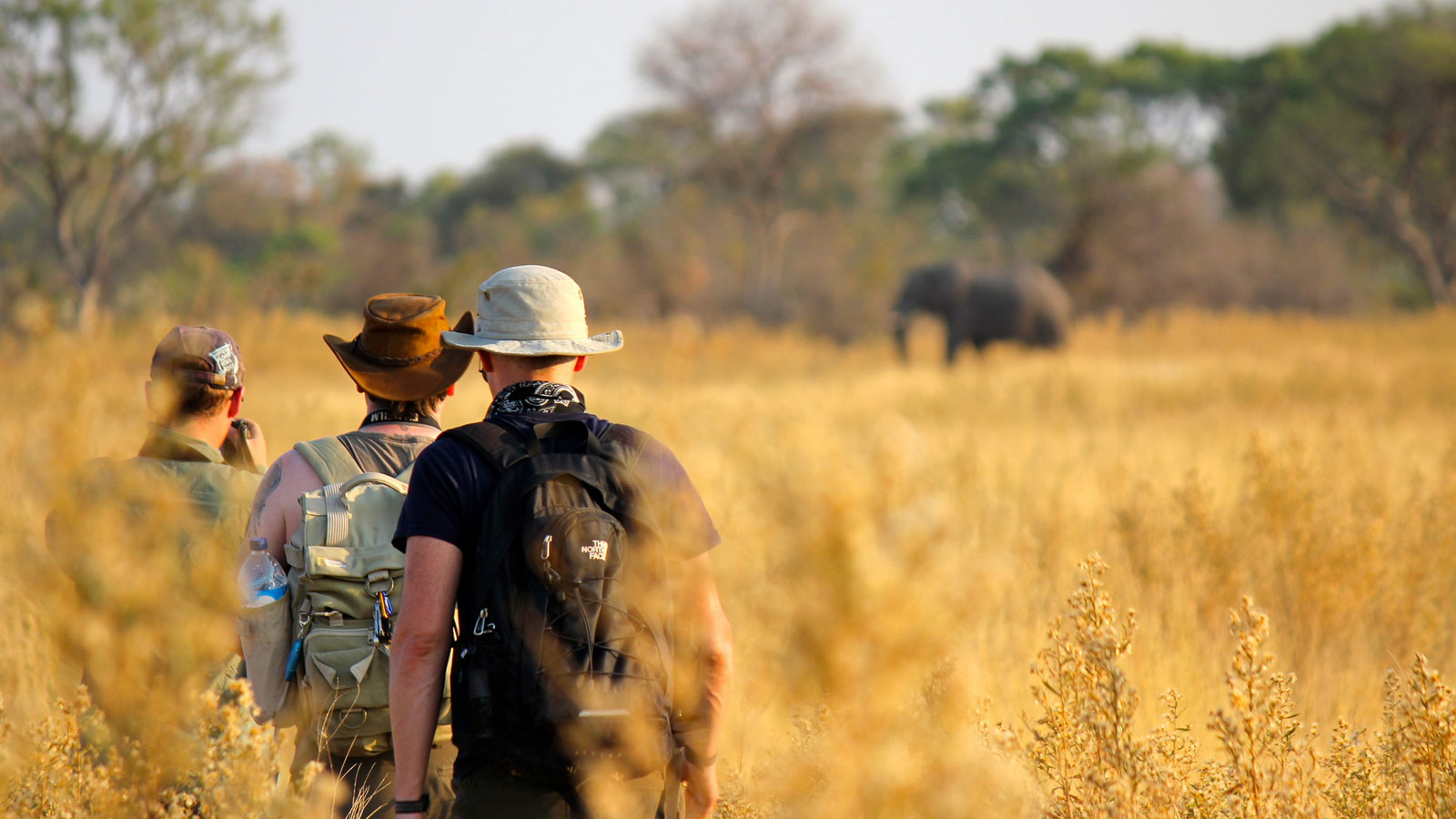
TANAPA specifically advises visitors to follow park rules and guide or ranger instructions, maintain appropriate distances from wildlife and avoid disturbing animals.
Never Approach Wild Animals on Foot
One of the most important Tanzania safari safety tips is simple: wild animals are not tame animals.
Even animals that appear calm can react unpredictably when they feel threatened.
Do not leave the safari vehicle to approach an elephant, lion, buffalo, hippo or other wildlife unless you are at an officially designated location where leaving the vehicle is permitted.
TANAPA’s park safety guidance states that all wild animals can be dangerous and advises visitors not to approach them too closely.
Stay Inside the Safari Vehicle
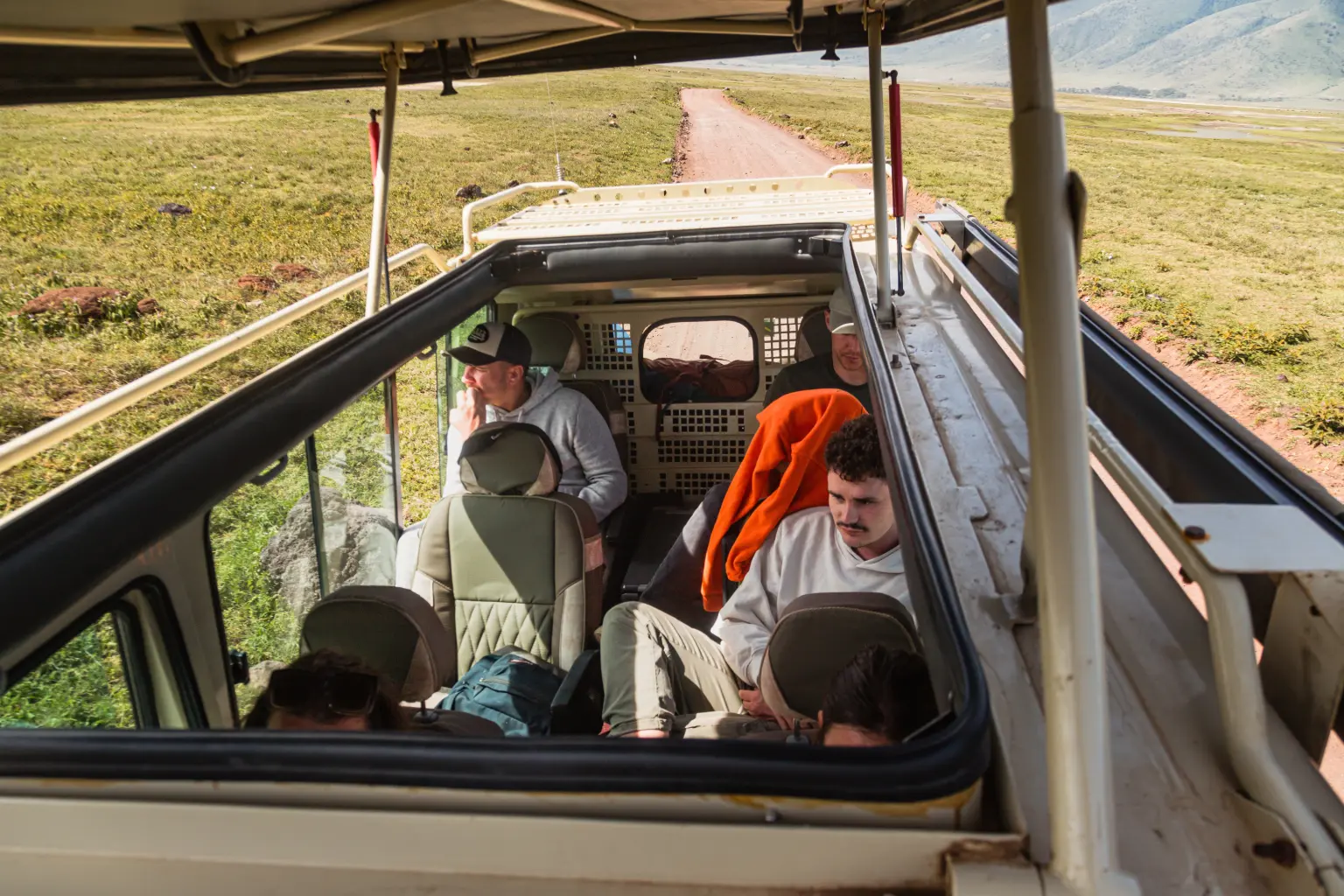
During a conventional game drive, your safari vehicle provides an important layer of protection.
Remain inside unless your guide specifically tells you that you can safely get out at an authorized location.
Even when animals appear far away, the situation can change quickly.
Current TANAPA visitor guidance for Lake Manyara National Park, for example, advises visitors to remain inside vehicles except at designated points and boardwalks.
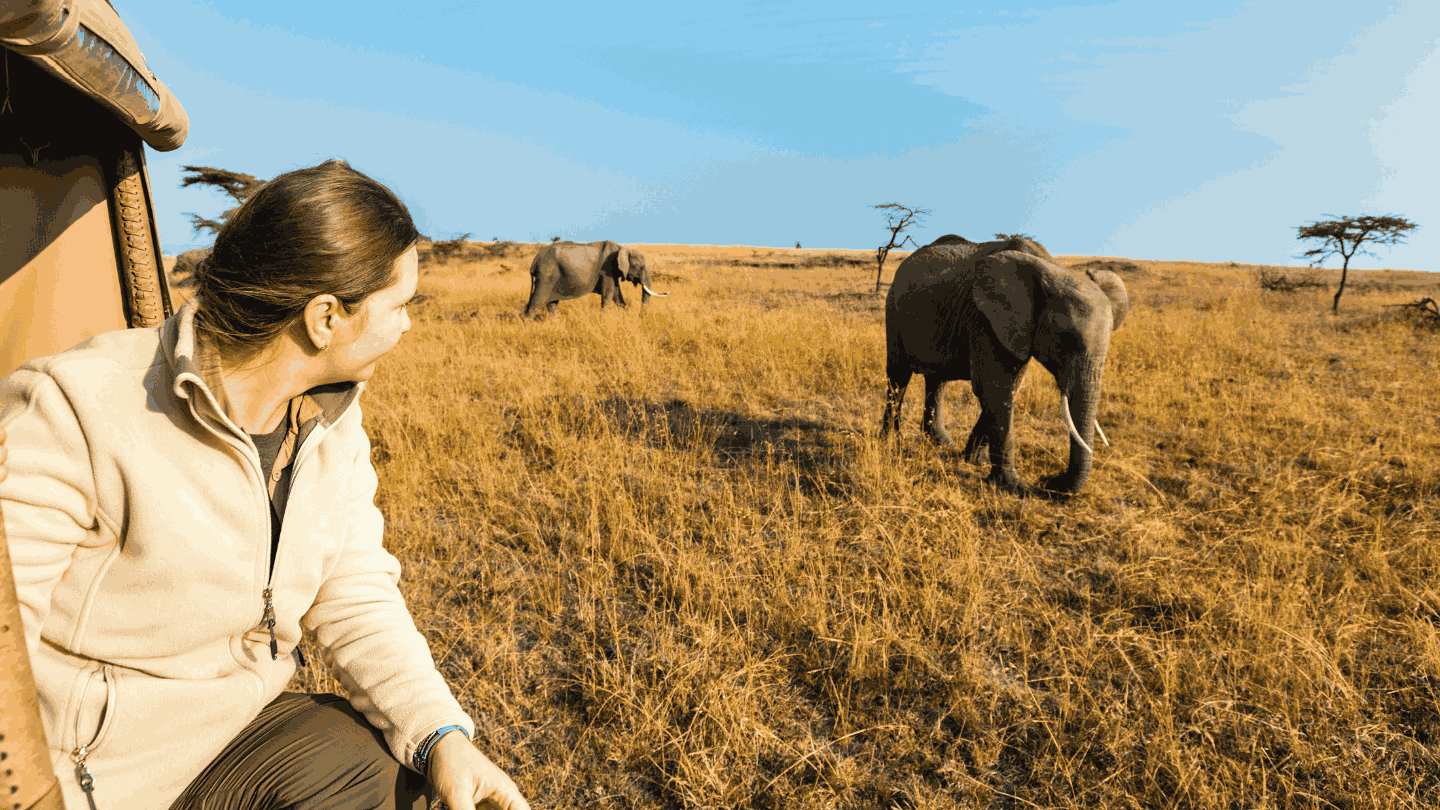
Keep a Safe Distance From Elephants
Elephants are one of Tanzania’s most impressive safari animals, but their size and strength should never be underestimated.
If an elephant approaches the vehicle, remain calm and follow your guide’s instructions.
Do not shout, attempt to attract its attention or make sudden movements.
A good safari guide understands elephant behavior and will position the vehicle appropriately.
Be Particularly Careful Around Hippos
Hippos may appear relaxed when they are partially submerged in water, but they are among the animals that require considerable caution.
Never approach a hippo on foot or attempt to get close to photograph one.
Extra care is necessary around waterways, picnic areas and campsites located near rivers or lakes.
The same principle applies to crocodiles and other wildlife around water.
Never Feed Wild Animals
Feeding wildlife is unsafe and can alter natural animal behavior.
It can cause animals to associate humans and vehicles with food, potentially creating dangerous situations for both wildlife and visitors.
TANAPA advises visitors not to feed or disturb wildlife and to follow park regulations.
Do not offer food to monkeys, baboons, birds or any other wild animals you encounter during your safari.
Keep Noise Levels Low
One of the joys of safari is observing animals behaving naturally.
Loud music, shouting or sudden noises can disturb wildlife and negatively affect the experience for other visitors.
Keep your voice low when animals are nearby and follow your guide’s instructions.
TANAPA’s park safety guidance specifically advises visitors to avoid shouting, loud noise and music during game drives.
Do Not Stand Up Suddenly in the Vehicle
If your safari vehicle has an open roof or pop-up roof, your guide may allow you to stand or sit in particular positions for viewing and photography.
However, don’t move suddenly or stand up without considering what is happening around the vehicle.
An animal may be much closer than it appears.
Always follow your guide’s instructions about where and when you can stand.
Keep Your Hands and Camera Inside When Necessary
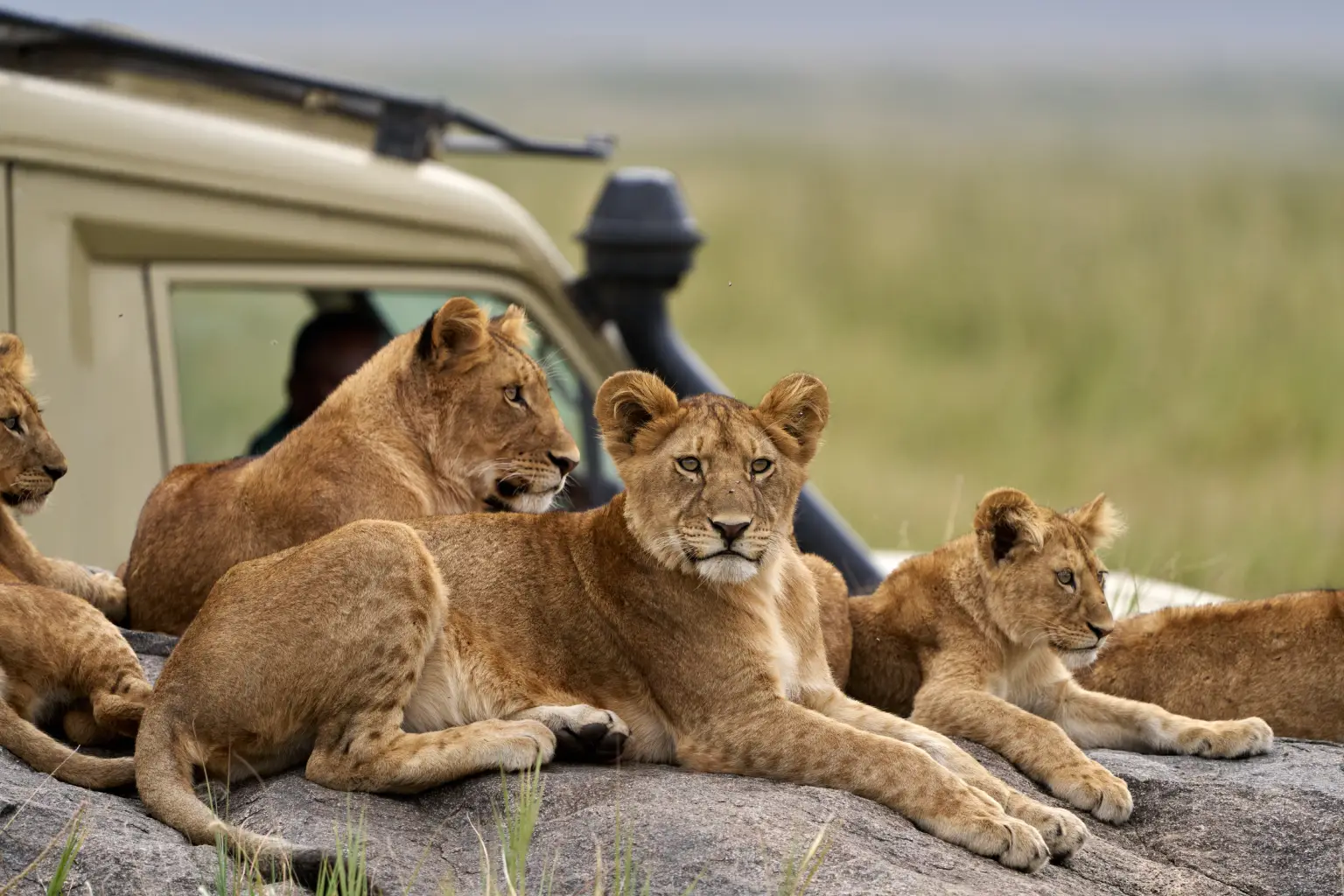
When animals are nearby, keep your hands, cameras and other equipment inside the vehicle if your guide asks you to do so.
Avoid reaching toward animals or attempting to attract them for a photograph.
Getting the perfect photograph is never more important than maintaining a safe distance.
Do Not Get Out of the Vehicle Without Permission
Safari vehicles may stop at designated picnic sites, viewpoints or other approved locations.
Even when you want to stretch your legs or take a photograph, wait for your guide to confirm that it is safe.
This is particularly important in areas where wildlife can move freely around the vehicle.
Safari Walking Requires Additional Precautions
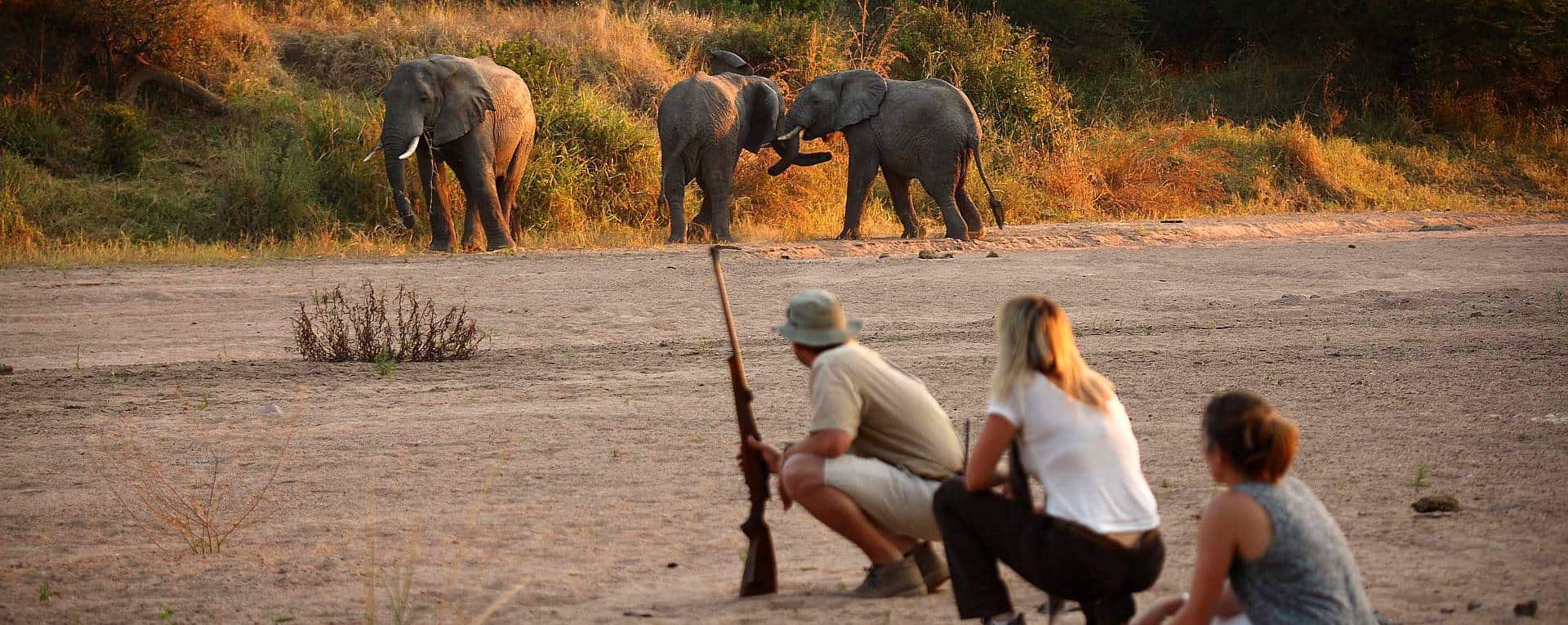
A walking safari is very different from a conventional game drive.
When you are on foot, you no longer have the protection of the vehicle, which is why walking safaris must be properly guided and conducted according to park regulations.
TANAPA’s general safety guidance states that walking safaris should take place on designated trails and be accompanied by an armed ranger.
Follow the ranger or guide closely and never wander away from the group.
Choose a Reputable Safari Operator
One of the most important decisions you can make is choosing an established and reputable safari operator.
A professional operator should use suitable vehicles, experienced drivers and guides, appropriate accommodation arrangements and proper communication procedures.
Current UK travel advice specifically recommends using reputable tour operators when visiting Tanzania’s game reserves and national parks and advises travelers not to purchase safari tours from touts.
Before booking, ask about the operator’s experience, licensing, vehicle condition, guide qualifications and emergency procedures.
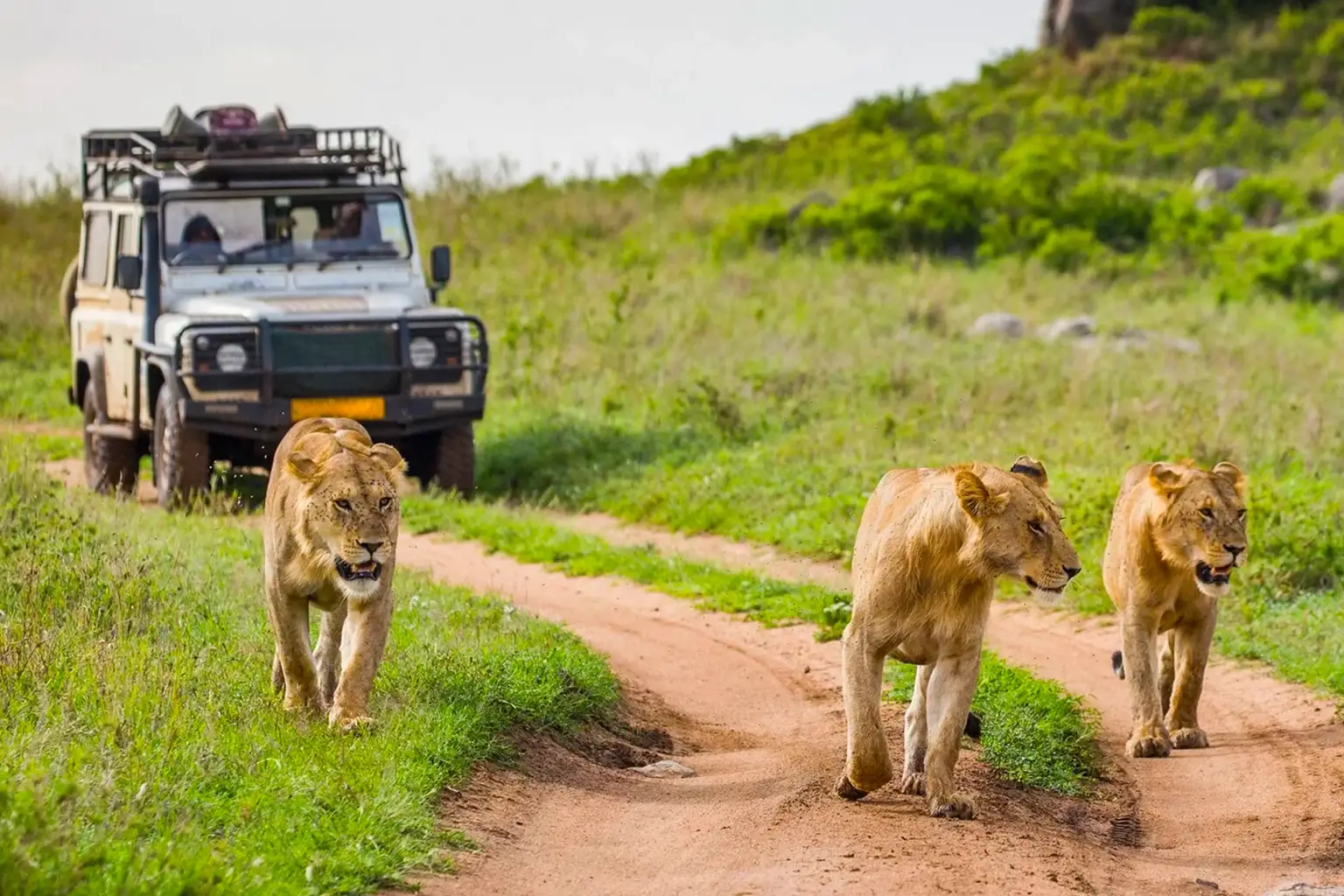
Safari Vehicle Safety
A safari vehicle spends a great deal of time on uneven roads and long-distance routes.
A properly maintained vehicle is therefore an important part of safari safety.
Your vehicle should be suitable for the terrain and equipped appropriately for the planned itinerary.
TANAPA’s current planning guidance recommends using licensed operators and roadworthy vehicles and observing speed limits and park gate times.
Always Wear Your Seat Belt When Driving
Although safari drives frequently involve slow speeds while viewing wildlife, vehicles also travel on public roads and longer stretches between destinations.
Wear your seat belt whenever the vehicle is moving.
Avoid moving around the vehicle while it is driving, particularly on uneven roads.
Avoid Excessive Speed
There is no reason to rush through a safari.
Driving too quickly can increase the risk of accidents and can also disturb wildlife.
TANAPA’s park safety guidance specifically warns against exceeding stipulated speeds because it is dangerous for both passengers and wildlife.
An experienced safari driver knows when to slow down and when conditions require additional caution.
Stay Hydrated During Your Safari
Tanzania can be hot, particularly during daytime game drives.
Carry enough drinking water and drink regularly.
TANAPA recommends carrying sufficient water and protecting yourself from the sun during park visits.
A reusable water bottle is a useful addition to your safari packing list.

Protect Yourself From the Sun
Long periods in an open safari vehicle can expose you to strong sunlight.
A hat, sunglasses, sunscreen and lightweight clothing can help protect you.
Remember that temperatures can change considerably between morning and afternoon, so layering is often more practical than relying on one heavy or one very light outfit.
Carry Insect Repellent
Mosquitoes and other insects can be present in different parts of Tanzania, particularly around wetter areas and during certain times of day.
Pack a good insect repellent and use it according to the product instructions.
Travelers should also consult a qualified healthcare professional or travel clinic before departure regarding malaria prevention, vaccinations and other health considerations relevant to their individual itinerary. TANAPA similarly advises travelers to consult their doctor regarding anti-malaria measures and vaccinations.
Food and Drinking Water Safety
During an organized safari, drinking water and meals are normally arranged by your operator or accommodation provider.
Use safe drinking water and be cautious about consuming food from sources where hygiene is uncertain.
If you have allergies or dietary requirements, inform your safari operator before your trip.
Carrying a few familiar snacks can also be useful during long game drives.
Take Care With Alcohol
If you choose to drink alcohol during your Tanzania holiday, do so responsibly.
Avoid becoming intoxicated before or during activities involving wildlife, swimming, boating or other adventure activities.
You need to remain alert and able to follow your guide’s instructions.
Keep Valuables Secure
As with international travel anywhere, take reasonable precautions with passports, money, phones, cameras and other valuables.
Keep important documents secure and avoid displaying large amounts of cash unnecessarily.
When staying in accommodation, follow the property’s recommendations for securing valuables.
Current travel advice also recommends keeping vehicle doors locked, windows up and valuables out of sight when traveling in vehicles, particularly in urban areas and at night.
Be Careful When Traveling at Night
When staying in towns such as Arusha or Dar es Salaam, use sensible precautions after dark.
Avoid walking alone in unfamiliar areas at night and use reputable transportation.
The safety considerations in towns and cities are different from those inside national parks.
Current UK advice recommends avoiding walking alone at night and exercising caution with strangers and transportation.
Safari Safety for Solo Travelers
Tanzania can be an excellent destination for solo travelers, but traveling alone requires additional awareness.
A solo traveler should use reputable transportation, stay in established accommodation and avoid isolated areas without appropriate local guidance.
For safari activities, booking with a professional operator provides the advantage of having an experienced guide and driver throughout the wildlife portion of your trip.
If you are combining safari with independent travel, plan transfers carefully and share your itinerary with someone you trust.
Tanzania Safari Safety for Families
Families can enjoy wonderful safari experiences, but children should receive clear instructions about wildlife safety.
Teach children to remain quiet when animals are nearby, stay inside the vehicle unless the guide says otherwise and never attempt to touch or feed wildlife.
Parents should also consider the age of their children when selecting activities.
Some activities have specific age restrictions. For example, TANAPA’s general guidance states that children under 15 are not permitted on chimp trekking activities, while certain mountain activities have their own restrictions.
Always check the requirements for your specific activity before booking.
Safety During Boat and Water Activities
Tanzania also offers boat-based experiences, particularly in destinations such as Nyerere National Park.
Water activities require their own safety considerations.
Follow the boat captain or guide’s instructions, remain seated when required and wear a life jacket whenever instructed.
TANAPA’s general safety guidance specifically requires life jackets for canoeing and advises visitors to follow the guide or captain’s instructions.
Safety During Walking and Hiking Activities
If your Tanzania itinerary includes hiking or walking, understand that conditions can vary significantly between destinations.
Wear appropriate footwear, carry sufficient water and follow the designated route.
Never separate yourself from the group without informing your guide.
In remote areas, emergency access can be difficult, so prevention and preparation are especially important. Current FCDO guidance notes that some Tanzanian parks are extremely remote and that emergency access and evacuation can be difficult.
Respect Park Regulations
National parks are protected areas, and the regulations exist for both visitor and wildlife safety.
Follow designated roads and trails, respect speed limits, observe gate times and listen to park officials and guides.
Do not litter, feed animals, disturb wildlife or attempt to enter restricted areas.
TANAPA’s current visitor guidance emphasizes staying on designated routes, keeping noise low, not feeding wildlife and following ranger and guide instructions.
Do Not Go Off-Road Without Permission
Off-road driving can damage fragile ecosystems and may violate park regulations.
Remain on designated roads unless your guide is operating in an area where off-road driving is specifically permitted.
TANAPA advises visitors not to go off-road unless explicitly permitted.
Be Careful Around Picnic Areas
Picnic areas may look completely safe, but wildlife can sometimes move nearby.
Monkeys and baboons may be particularly interested in food.
Keep food properly stored and do not feed animals.
Lake Manyara’s current visitor guidance specifically warns visitors to secure food from primates around picnic areas.
Camping Safety in Tanzania
If your safari includes camping, use only designated campsites.
Do not wander away from camp alone, especially at night.
Wild animals can move through areas around camps, even when you cannot see them.
TANAPA’s safety guidance advises visitors to camp and picnic only at designated sites and to remain vigilant.
Your safari guide or camp staff will explain the procedures to follow after dark.
Photography Safety
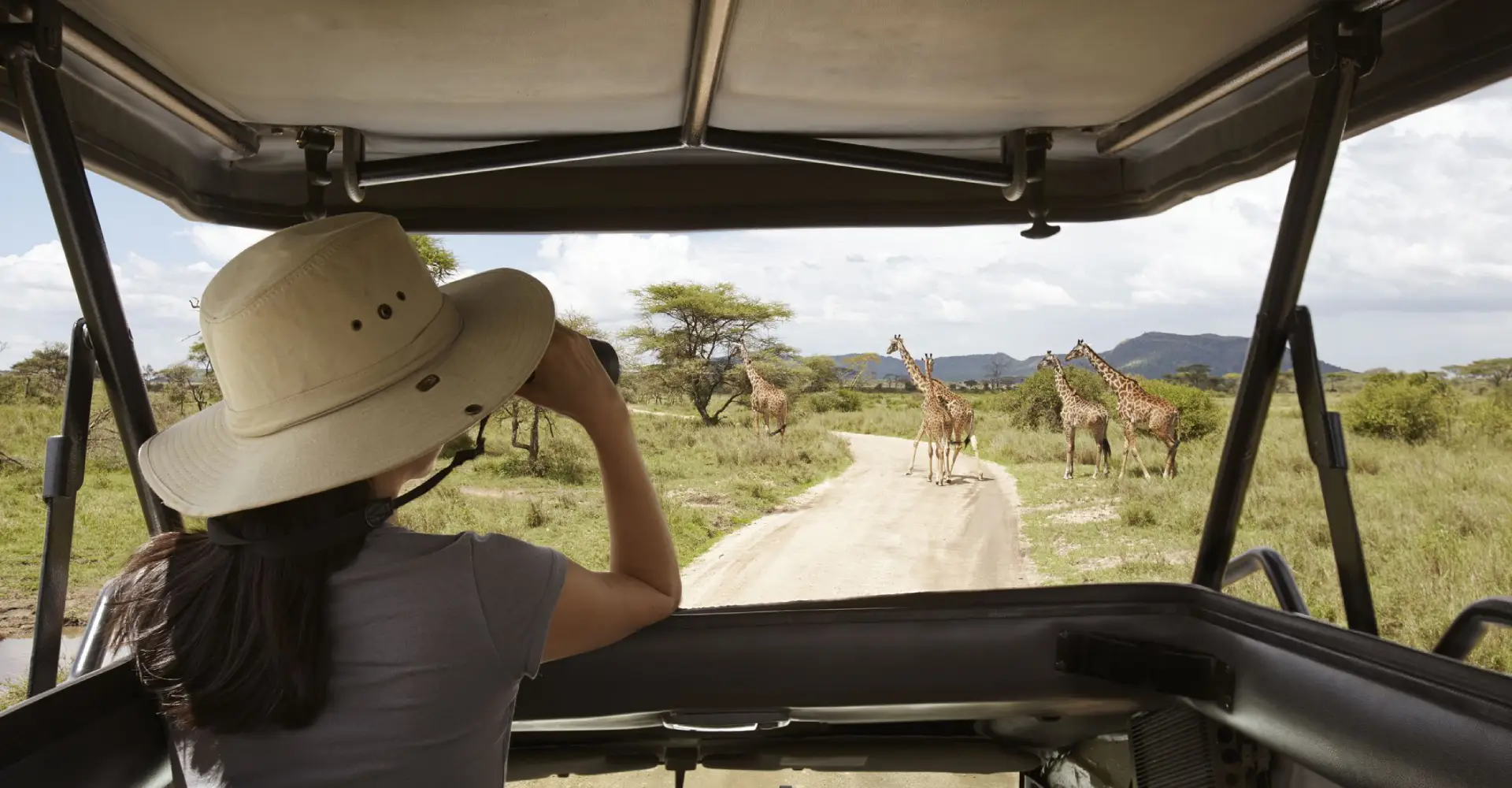
Tanzania is a photographer’s dream, but photography should never compromise safety.
Do not leave the vehicle simply to get a better angle.
Avoid using flash close to animals if your guide advises against it, and never attempt to attract wildlife for a photograph.
A long lens or binoculars can help you observe animals without needing to get closer.
Drone Safety and Regulations
Do not assume that you can fly a drone simply because you are carrying one.
Drone use in Tanzania’s national parks and other areas can be subject to restrictions and permissions.
TANAPA’s current visitor guidance notes that drone use is restricted and requires special permissions.
Check the applicable rules before your trip rather than waiting until you arrive.
What to Do If You Feel Unwell
Tell your guide or accommodation staff as soon as you begin feeling unwell.
Do not ignore significant symptoms because you don’t want to interrupt the safari.
Your guide can help determine the appropriate next step and contact the necessary support.
Travel insurance that covers your planned activities and emergency expenses is strongly recommended. TANAPA’s planning guidance also recommends travel insurance.
Carry Appropriate Travel Insurance
Travel insurance is an important part of responsible travel planning.
Your policy should be appropriate for your itinerary and cover the activities you intend to undertake, as well as emergency medical expenses and other relevant risks.
This is particularly important if your Tanzania trip combines safari with Kilimanjaro trekking, walking safaris, boating, cycling or other adventure activities.
Current FCDO guidance advises travelers to obtain appropriate insurance that covers their itinerary, planned activities and emergency expenses.
Know How to Get Help in an Emergency
Before traveling, save important contact details for your safari operator, accommodation, travel insurer and relevant emergency services.
Tanzania’s emergency services can be reached on 112 for ambulance, fire and police, according to current UK government travel information.
Your safari operator should also have its own procedures for handling vehicle breakdowns, medical situations, itinerary disruptions and other emergencies.
Keep Copies of Important Documents
Keep digital and physical copies of your passport, travel insurance details, flight information and important booking documents.
It is also sensible to have your accommodation and safari operator details available offline in case you temporarily lose internet access.
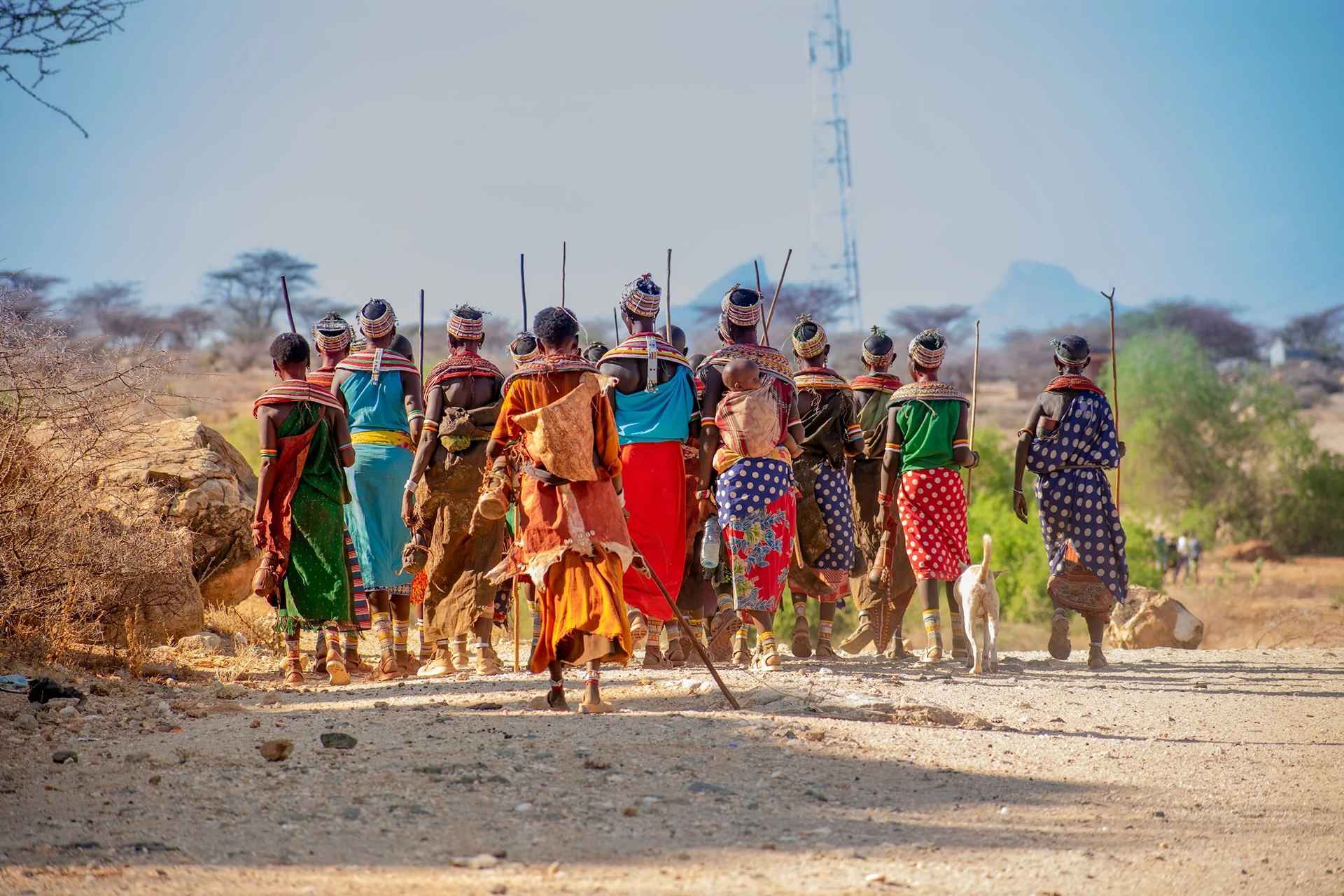
Respect Local Communities
Safety is not only about wildlife and physical risks.
Travelers should also respect Tanzania’s communities, customs and cultural expectations.
Ask before photographing people, dress appropriately when visiting communities or religious sites and listen to your local guide’s advice.
A respectful traveler is more likely to have positive interactions with local communities.
Be Careful Around Political Demonstrations and Large Gatherings
Travelers should stay away from demonstrations, political rallies and large gatherings where tensions may develop.
Current official travel advice notes that demonstrations in Tanzania can be unpredictable and advises travelers to avoid them and monitor local information.
This is particularly important when spending time in major towns and cities before or after your safari.
What Should You Pack for a Safe Tanzania Safari?
A practical safari packing list should include comfortable clothing, a hat, sunglasses, sunscreen, insect repellent, a reusable water bottle, personal medication, a small first-aid kit and suitable footwear.
Binoculars are also highly recommended because they allow you to observe wildlife without trying to get physically closer.
TANAPA’s current trip-planning guidance also recommends items such as a phone and power bank, reusable water bottle, sun protection, insect repellent, basic first-aid supplies and a headlamp or torch.
Is a Tanzania Safari Safe at Night?
Nighttime conditions are different from daytime game drives.
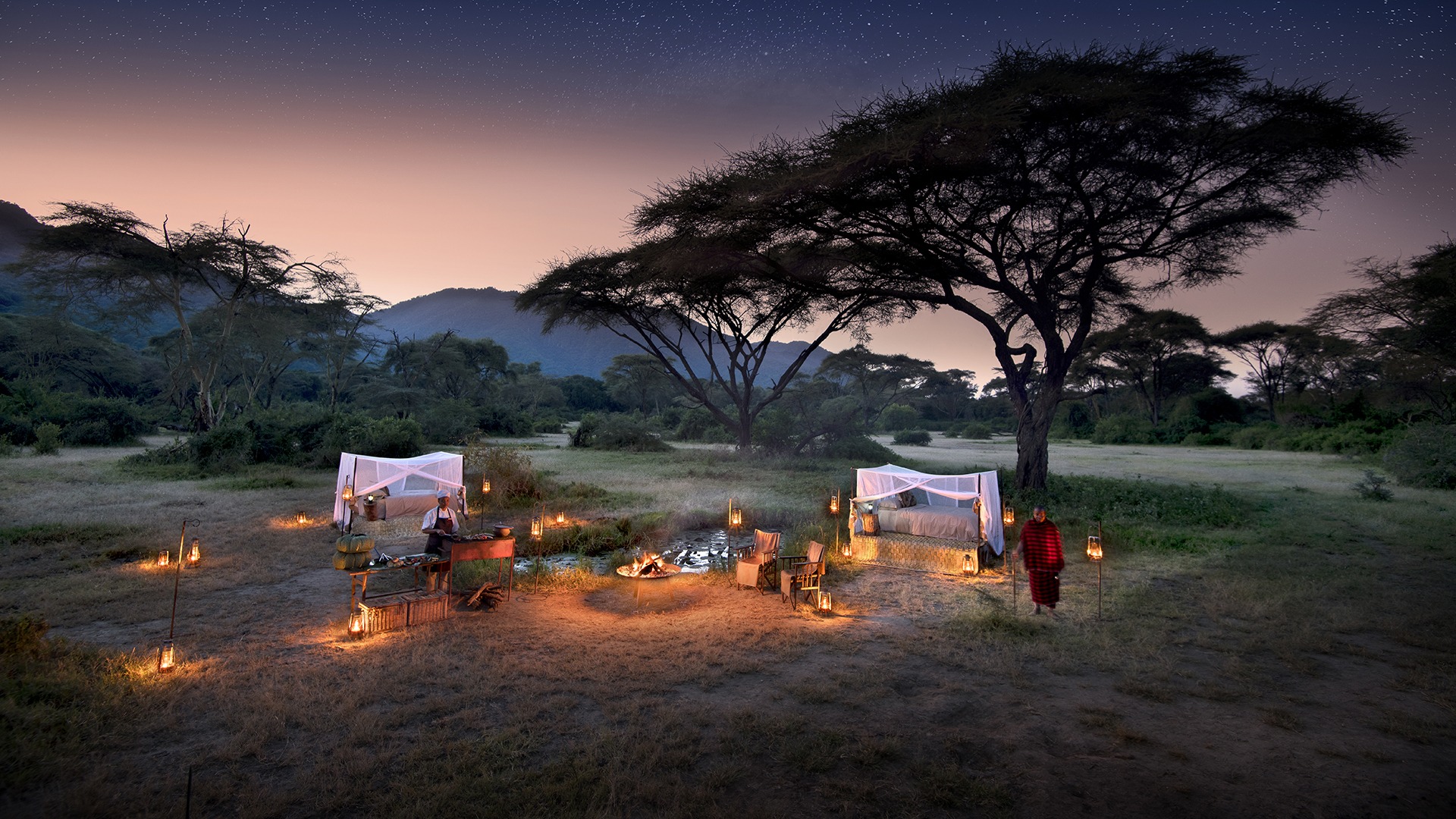
Some parks and private/concession areas offer night game drives, but these should only be conducted under the rules applicable to that area and with appropriate guides.
Never walk around an unfenced safari camp at night without following the property’s instructions.
If staff tell you to request an escort, do so.
Why a Professional Safari Guide Makes a Difference
A safari guide is not simply a driver.
A knowledgeable guide understands animal behavior, tracks wildlife, interprets the landscape, knows park regulations and helps make decisions about where and when to stop.
That experience is particularly valuable when encountering elephants, lions, buffalo, hippos and other potentially dangerous wildlife.
TANAPA’s visitor guidance recommends using guides where activities require them and following guide instructions throughout park experiences.
Trek and Hide Adventures and Safari Safety
At Trek and Hide Adventures, safety is an important part of planning every Tanzania safari.
Our approach is to combine careful itinerary planning with experienced local guides, suitable safari vehicles and respect for Tanzania’s national park regulations.
Before your safari, we can help you understand what to expect from your chosen destinations, accommodation, transportation and activities.
Once you are on safari, your guide remains your primary source of practical information about wildlife encounters, driving conditions, park rules and daily activities.
Our aim is not simply to take you to Tanzania’s famous wildlife destinations, but to help you experience them responsibly, comfortably and with confidence.
Final Thoughts: A Safe Safari Is a Responsible Safari
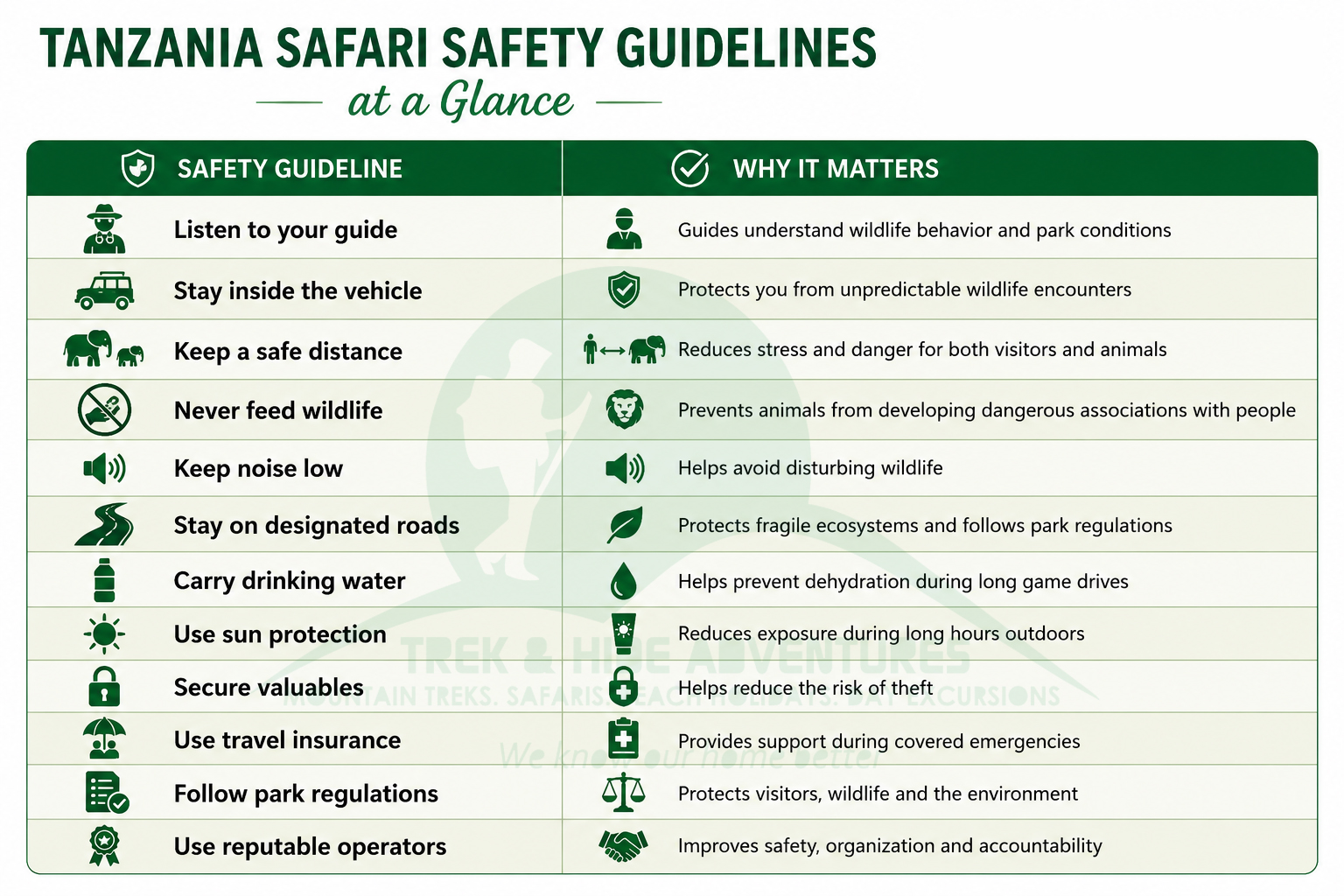
The best Tanzania safari safety guidelines are often the simplest ones: listen to your guide, stay at a safe distance from wildlife, remain inside the vehicle when required, respect park regulations, protect yourself from the sun and stay aware of your surroundings.
A safari is an opportunity to observe wild animals in their natural environment. The more we respect that environment, the safer and more rewarding the experience becomes.
Tanzania’s national parks are protected for future generations, and responsible visitor behavior plays an important role in preserving them. TANAPA provides official guidelines and procedures specifically designed to help visitors enjoy the parks safely and responsibly.
Travel prepared. Respect the wildlife. Follow your guide. Leave only footprints and take home unforgettable memories.